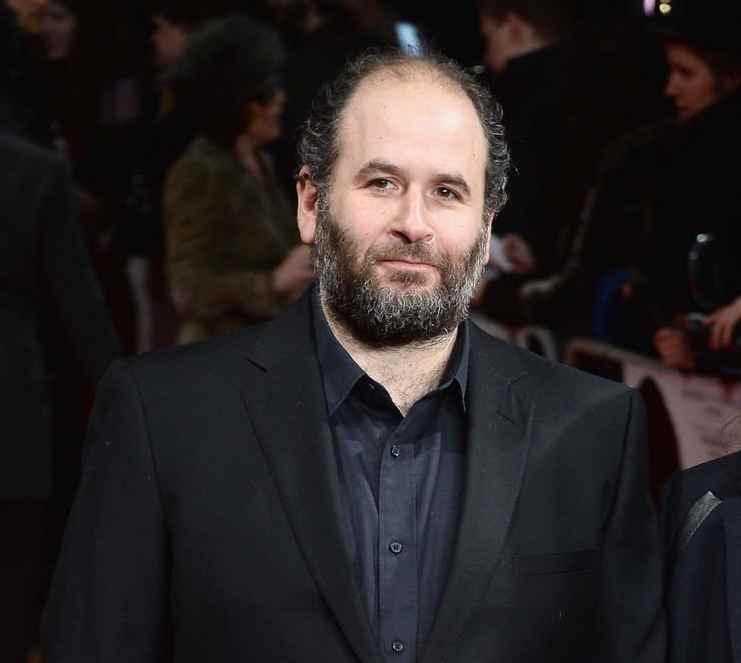
The name jacob krichefski carries weight in British theatre and screen circles, not only for artistic talent but also for an extraordinary life journey that reshaped how creativity, identity, and resilience can coexist. Known for his thoughtful performances and deep commitment to storytelling, jacob krichefski’s career took an unexpected and life-altering turn that forced him to rebuild both personally and professionally. His story stands today as one of the most compelling examples of how art, memory, and determination intersect in modern British cultural life.
Early Life and Background
Family Roots and Upbringing
Jacob krichefski was born and raised in the United Kingdom, growing up in an environment where culture, language, and storytelling held real value. From an early age, he showed a sensitivity to words and performance, an ability to listen carefully, and a curiosity about people and their inner lives. These qualities later became defining elements of his acting style.
His upbringing encouraged observation and reflection rather than showmanship. This grounding played an important role in shaping his future approach to performance, where emotional truth mattered more than spectacle.
Education and Creative Influences
During his formative years, jacob krichefski gravitated towards drama, literature, and performance-based expression. Rather than chasing celebrity or rapid recognition, he focused on craft, studying how characters move, speak, and think. He was influenced by classic British theatre traditions, social realism, and contemporary playwrights who explored political and human themes.
These early influences gave him a solid foundation, preparing him for the demanding environments of stage and screen where discipline and adaptability are essential.
Career in Theatre
Building a Reputation on Stage
Theatre became the first major platform where jacob krichefski established his professional identity. He worked with respected theatres and touring companies, performing in productions that required emotional depth, physical presence, and intellectual engagement.
His stage work was often praised for its clarity and restraint. Rather than overplaying emotions, he allowed silence, timing, and body language to carry meaning. This made his performances particularly effective in intimate theatre settings, where authenticity resonates strongly with audiences.
Notable Theatre Performances
Jacob krichefski appeared in a range of productions that dealt with social issues, political history, and personal identity. His work demonstrated versatility, moving comfortably between contemporary drama and more classical material.
Directors and collaborators frequently described him as dependable, thoughtful, and deeply engaged with the rehearsal process. These qualities made him a valued presence in ensemble casts and a trusted interpreter of complex roles.
Work in Film and Television
Transition to Screen Acting
Alongside theatre, jacob krichefski developed a steady presence in film and television. Screen acting demanded a different skill set, one that relied on subtle expression and internalised emotion rather than theatrical projection. He adapted naturally, bringing the same honesty and control that defined his stage performances.
His screen roles, while sometimes supporting rather than leading, added depth and credibility to the productions he appeared in. He became known as an actor who elevated scenes through quiet precision.
Memorable Screen Appearances
Jacob krichefski featured in several well-regarded British and international productions, including historical dramas and politically themed series. His performances often involved characters operating on the margins of power, figures whose inner conflicts mirrored broader social tensions.
These roles reinforced his reputation as an actor drawn to meaningful material rather than superficial visibility.
Personal Life and Partnership
Relationship and Family Life
Jacob krichefski is married to the acclaimed British writer Abi Morgan, known for her powerful work in television and theatre. Their partnership is rooted in mutual respect for storytelling, language, and creative integrity.
Together, they built a life that balanced professional ambition with personal connection. Family and home life played an important role in providing stability amid demanding creative careers.
Shared Creative Understanding
Their shared understanding of narrative and character gave them a unique bond. Conversations about scripts, performances, and ideas were part of everyday life, enriching both of their creative paths.
This deep connection later became crucial during the most challenging period of jacob krichefski’s life.
The Life-Changing Medical Crisis
Sudden Collapse and Brain Injury
In 2018, jacob krichefski suffered a sudden and catastrophic medical event, collapsing without warning due to a severe brain injury. The incident was shocking, not only because of its suddenness but also because it fundamentally altered his life.
He was placed in intensive care, and the outcome was uncertain. For his family, friends, and colleagues, the experience was marked by fear, confusion, and prolonged uncertainty.
Recovery and Rehabilitation
Surviving the initial crisis was only the beginning. Jacob krichefski faced a long and complex recovery involving memory loss, cognitive challenges, and the need to relearn everyday skills. His sense of identity, language, and emotional continuity had been disrupted.
Rehabilitation required immense patience and effort. Tasks that once felt automatic became deliberate and exhausting. The process demanded not only medical support but emotional resilience and personal determination.
Identity, Memory, and Self-Reconstruction
Relearning the Self
One of the most profound aspects of jacob krichefski’s recovery was the challenge of reconnecting with his own identity. Memory loss created moments where familiar people and places felt distant or unreal.
Rebuilding a sense of self involved revisiting old photographs, stories, and creative work. Slowly, fragments of memory began to align with present experience, allowing a renewed understanding of who he was and who he could become.
The Role of Creativity in Healing
Creativity played a vital role in his rehabilitation. Language, storytelling, and performance became tools for recovery rather than professional obligations. Engaging with narrative helped him make sense of disrupted memories and emotional shifts.
This process revealed how deeply art and identity are connected, especially for someone whose life had always revolved around expression and interpretation.
Public Attention and Personal Boundaries
Increased Public Interest
Jacob krichefski’s medical crisis and recovery attracted public attention, partly through his partner’s writing and interviews. While this visibility raised awareness about brain injury and recovery, it also posed challenges in maintaining privacy.
He navigated this attention carefully, prioritising healing over public narrative and choosing when and how to engage with broader conversations.
Advocacy Through Example
Without positioning himself as a campaigner, jacob krichefski’s story contributed to greater understanding of brain injury, recovery timelines, and the emotional realities faced by survivors and families.
His experience highlighted the importance of long-term support, patience, and compassion in recovery journeys.
Return to Creative Life
Redefining Professional Identity
Rather than returning immediately to acting in the same capacity, jacob krichefski approached creativity differently after his recovery. He explored new ways of engaging with storytelling that aligned with his changed cognitive and emotional landscape.
This redefinition reflected maturity and honesty, acknowledging limits while embracing new possibilities.
Ongoing Creative Presence
Though his professional output may be more selective, jacob krichefski remains creatively active. His continued engagement with performance and narrative demonstrates that artistic careers do not follow a single, fixed trajectory.
His story offers reassurance to artists and professionals facing disruption, proving that meaningful work can evolve after profound change.
Influence and Legacy
Impact on Audiences and Peers
Jacob krichefski’s career and life story resonate deeply with audiences and fellow creatives. His performances, both before and after his medical crisis, are valued for their authenticity and emotional intelligence.
Colleagues often speak of his generosity in collaboration and his ability to bring humanity to complex roles.
A Broader Cultural Significance
Beyond individual achievements, jacob krichefski’s journey speaks to broader themes of vulnerability, resilience, and reinvention. In an industry often focused on continuity and momentum, his story reminds us that pauses, disruptions, and transformations are part of human experience.
His life illustrates that strength is not only found in success but in the courage to rebuild.
FAQs
Who is jacob krichefski?
Jacob krichefski is a British actor known for his work in theatre, film, and television, as well as for his remarkable recovery following a serious brain injury.
What happened to jacob krichefski?
In 2018, jacob krichefski suffered a sudden and severe brain injury that led to a prolonged period of hospitalisation and rehabilitation.
Is jacob krichefski still working as an actor?
Yes, jacob krichefski remains creatively active, although his professional approach has evolved following his recovery.
Who is jacob krichefski married to?
Jacob krichefski is married to British screenwriter Abi Morgan.
Why is jacob krichefski’s story significant?
His story is significant because it highlights resilience, identity reconstruction, and the role of creativity in recovery after life-changing illness.
Conclusion
Jacob krichefski’s life and career form a powerful narrative of talent tested by adversity and reshaped through resilience. From his early achievements in British theatre and screen to the profound challenge of rebuilding after brain injury, his journey offers insight into the human capacity for adaptation and meaning-making.
More than an actor’s biography, the story of jacob krichefski is a reminder that identity is not fixed, creativity can heal, and life’s most difficult chapters can still lead to purpose and depth.