Icewell Hill is more than a simple geographical location within the town of Newmarket in Suffolk. It is a place layered with history, memory, relationships, and transformation. Over the course of centuries, this location has passed through several distinct phases: beginning as Crown-owned land supporting royal needs, evolving into a busy working-class residential community, and later being reshaped by mid-20th-century urban redevelopment. Today, the name Icewell Hill carries echoes of the past while also standing at the centre of present-day discussions about housing, identity, and heritage.
Understanding the story of Icewell Hill helps illuminate how towns grow, how communities connect, and how historic environments shape the identities of the people who live within them.
Table of Contents
ToggleThe Early Foundations of Icewell Hill
The name Icewell Hill originates from a structure that once existed here: a deep underground ice-well designed to store winter-collected ice. Before modern refrigeration existed, ice-wells were essential for preserving perishable food and providing cooling, particularly for households of high status. The ice stored here served the royal residence at Palace House, showing that Icewell Hill was initially a location of quiet but strategic importance.
The land surrounding the ice-well was Crown property, consisting of fields, paddocks, and land used to support stables and various forms of manual labour tied to local industries. Newmarket’s world-renowned horse racing culture was already developing, and many workers associated with the care, training, and upkeep of horses lived and worked nearby. Over time, as Newmarket expanded, houses began to appear around the hill, gradually forming the basis of a small but tightly connected residential district.
A Working-Class Neighbourhood Takes Shape
By the late 19th and early 20th centuries, Icewell Hill had become a thriving working-class community. The houses were modest in size, often small terraces or cottages, and the streets were close and compact. The people living there worked hard, primarily in trades and roles connected to horse care, stable work, carpentry, blacksmithing, and domestic support industries. Although incomes were not high, residents recall a neighbourhood full of warmth and familiarity.
Community spirit was the defining quality of Icewell Hill. Neighbours knew one another by name, doors were open during the day, conversations took place on front steps, and children played outdoors in shared spaces. Local shops and small meeting places provided everything from groceries to gossip. Life here was not luxurious, but it was rich in connection. The heartbeat of the community was not wealth or property, but shared identity and mutual support. It was a place where life was lived together.
The Character of Daily Life
Life in Icewell Hill moved to the rhythm of relationships. People relied on one another, celebrated together, solved problems together, and built their lives within a close social circle. The sound of children laughing, the smell of baking or cooking that drifted through open windows, and the constant presence of neighbours made the area feel alive and welcoming.
Many memories preserved by former residents emphasise the emotional and social stability of the area. Even those who later moved away often recall Icewell Hill not simply as a location, but as a formative experience that shaped their values, resilience, and sense of belonging. It was a place where identity was not an abstract concept, but something lived and shared daily.
Government-Led Redevelopment and Transition
After the Second World War, much of Britain’s older housing stock was reassessed. Public planners identified many working-class neighbourhoods as outdated, overcrowded, or lacking modern sanitation and structural quality. Icewell Hill was one such area. The government aimed to improve living standards by replacing older homes with modern flats that included central heating, bathrooms, and improved space efficiency.
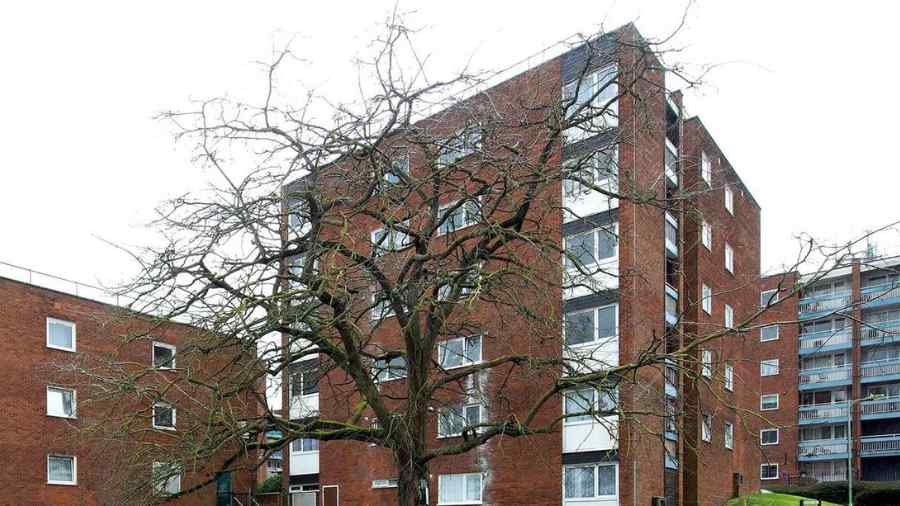
During the 1960s, large parts of Icewell Hill were demolished. The tight network of small streets was cleared, the original housing removed, and a new housing complex of flats was constructed. The intention was to provide residents with better physical living conditions, a more modern standard of housing, and improved health outcomes.
While the new buildings may indeed have been more structurally advanced, the redevelopment resulted in the loss of something far more valuable: the close-knit fabric of community life. Families who once lived within walking distance of one another were relocated. Familiar meeting spots disappeared. Everyday social interactions that had been woven naturally into shared living spaces were no longer present.
Emotional Impact and Community Memory
Redevelopment affected Icewell Hill not just physically, but emotionally. Buildings can be torn down and rebuilt, but the relationships and stories that inhabited those structures cannot be replaced so easily. Many residents who experienced the transition later described a feeling of displacement, not merely from their houses, but from their way of life.
This emotional memory remains one of the most important aspects of Icewell Hill’s legacy. The story here is not only about architecture, spaces, or policy changes. It is about people. The shared laughter, the daily routines, the sense of belonging, and the comfort of familiarity created a cultural identity that redevelopment could not replicate. Icewell Hill became more than a place: it became a memory held collectively across generations.
Icewell Hill Today and Ongoing Conversations
In more recent years, new discussions have emerged about the future of the Icewell Hill flats and the wider area. Proposals for further redevelopment have raised concerns among local councillors and residents. Some argue that modern needs require updated housing and increased accommodation capacity. Others express worry that further redevelopment could repeat past mistakes by ignoring community needs and lived history.
Key issues in the debate include preserving green space, preventing overcrowding, maintaining aesthetic harmony with the town, and ensuring that new housing supports rather than displaces community well-being. These discussions reflect a broader national issue: how to build modern housing while preserving identity and social cohesion.
Heritage and the Importance of Remembering
Icewell Hill plays an important role in Newmarket’s heritage, not because it is grand or architecturally famous, but because it represents the human story of ordinary life. Heritage is not only castles, estates, and monuments. It is also the remembrance of working people, families, and communities whose labour and culture shaped the identity of the town.
Icewell Hill reminds us that community is not defined by buildings alone. It is formed through trust, shared time, and connection. The past here offers lessons that remain relevant today: development must consider not just physical structure, but emotional structure as well.
Conclusion
Icewell Hill stands as a powerful symbol of how community, identity, and place are deeply intertwined. From its early origins as Crown-owned land supporting royal needs, to its life as a thriving working-class neighbourhood, and later as a site of redevelopment and change, its story reflects broader patterns of social transformation in Britain.
The future of Icewell Hill continues to be shaped by ongoing discussions about housing, urban planning, and the preservation of community identity. The most important lesson it offers is clear: progress should never come at the cost of forgetting the human stories that make places meaningful. Icewell Hill’s legacy is not simply in the land itself, but in the lives it touched and the memories it continues to hold.