Understanding Open Septorhinoplasty
What the Procedure Involves
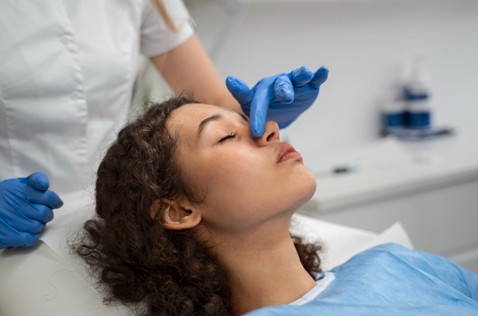
Open septorhinoplasty is a surgical approach used to correct both the internal and external structure of the nose. It is often recommended when a person experiences functional breathing issues alongside cosmetic concerns. The procedure uses a small incision across the columella, allowing the surgeon to lift the nasal skin and gain a clear view of the underlying cartilage, bone, and septum.
This open approach gives surgeons greater precision when correcting deviations, rebuilding weakened structures, and improving nasal airflow. By fully visualising the internal framework, the surgeon can make exact adjustments that may not be possible with a closed technique. The enhanced visibility is particularly helpful for complex nasal problems or when reshaping the nose after previous surgery.
Why Patients Choose Open Septorhinoplasty in London
Open septorhinoplasty in London is carried out by specialists experienced in both functional and aesthetic nasal surgery. Many patients seek this procedure when breathing issues interfere with daily life, physical activities, or sleep. Surgeons in London commonly combine functional correction with structural refinement to improve both the form and function of the nose.
Patients often value the detailed assessment, tailored treatment plans, and access to modern surgical methods available at London practices. The goal is always to restore comfortable airflow while maintaining natural proportions that suit the patient’s facial features.
Causes of Breathing Problems

Deviated Septum
A deviated septum is one of the leading reasons people experience difficulty breathing. When the nasal septum leans to one side or has irregular bends, it can narrow one or both nasal passages. This makes airflow uneven and can cause chronic congestion, snoring, or recurrent sinus issues.
Open septorhinoplasty is an effective way to straighten and reinforce the septum. With full access to the nasal framework, the surgeon can remove or reshape the deviated portions and create a more open airway.
Weak or Collapsing Nasal Valves
The nasal valves are narrow areas inside the nose that regulate airflow. When these valves are weak or collapse during inhalation, breathing becomes restricted. This issue is often structural, and addressing it requires precise reconstruction.
During open septorhinoplasty in London, the surgeon can use cartilage grafts to support the nasal valves and strengthen the airway. This may involve placing grafts along the side walls of the nose or reinforcing the internal valve angle so air can pass more freely.
Enlarged Structures or Irregularities
Some individuals have enlarged turbinates or irregular cartilage that contributes to nasal obstruction. While turbinate issues may be managed with other procedures, open septorhinoplasty allows the surgeon to address multiple structural problems in one operation.
Improving these internal elements helps create a smoother path for air to flow through the nasal passages, reducing congestion and improving overall breathing comfort.
How the Open Technique Improves Breathing
Clear Access to Internal Structures
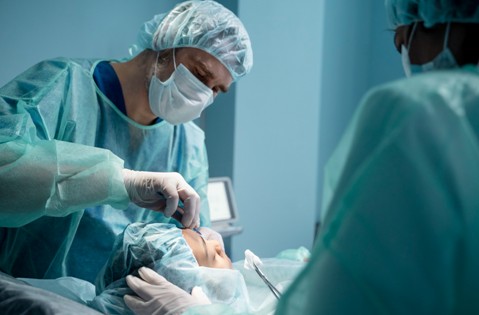
One of the main advantages of the open approach is the direct visibility it provides. The surgeon lifts the nasal skin to expose the entire cartilage and bone framework. This allows detailed corrections that may not be possible through small internal incisions used in closed rhinoplasty.
The precision of this technique is important when addressing complex breathing issues, such as severe septal deviations or collapsed nasal valves. With an unobstructed view, the surgeon can make symmetrical adjustments, reinforce weakened areas, and ensure the airway is as open as possible.
Strengthening the Nasal Framework
Breathing problems sometimes arise because the nasal structures are too weak to maintain their shape during inhalation. This is common in patients with thin cartilage, previous nasal trauma, or past surgeries that removed too much support.
Open septorhinoplasty allows surgeons to build a stronger foundation using cartilage grafts. These grafts may come from the septum, ear, or rib depending on what is needed. By reinforcing the nose’s internal framework, the airway remains open even during deep breathing or physical activity.
Straightening the Septum More Effectively
Correcting a deviated septum through an open approach provides the surgeon with better control and access. They can fully assess the deviation, remove excess cartilage, reshape irregular bends, and re-align the septum so that airflow becomes evenly distributed.
This direct correction is particularly helpful for patients with significant deviation, complex anatomy, or previous unsuccessful septal surgeries.
Improving Airflow Long Term
The goal of open septorhinoplasty is not only to restore immediate breathing comfort but also to ensure lasting results. Rebuilding and strengthening the nasal structures helps prevent future collapse or obstruction. Once healing is complete, patients often experience consistent airflow without relying on nasal strips, sprays, or other temporary relief methods.
Preservation Rhinoplasty and Functional Enhancement
How Preservation Techniques Fit In
Preservation rhinoplasty in London is a technique focused on maintaining as much of the patient’s original nasal structure as possible. While often discussed for its aesthetic benefits, it also plays a role in functional outcomes. By preserving key support structures and relying on subtle reshaping, surgeons can maintain or enhance breathing function while refining the nose’s appearance.
Using preservation principles within open septorhinoplasty can help maintain natural airway support and reduce the risk of narrowing the nasal passages. This is especially valuable for patients whose noses have delicate cartilage or naturally narrow internal spaces.
Balancing Form and Function
A balanced approach ensures the nose looks natural while still functioning effectively. Preservation rhinoplasty techniques help surgeons refine the external appearance without over-removing tissue or creating weaknesses that could lead to breathing issues later on.
For patients seeking both functional and cosmetic improvement, combining preservation principles with open septorhinoplasty provides a comprehensive method that maintains strength and harmony.
Recovery and Breathing Improvement
What Patients Can Expect
Recovery after open septorhinoplasty generally involves swelling, congestion, and mild discomfort. As healing progresses, the internal swelling decreases and airflow gradually improves. Many patients begin noticing easier breathing within the first few weeks, with full functional benefits becoming more noticeable as the nose continues to heal.
The surgeon may provide breathing exercises or nasal care routines to support healing and reduce inflammation. These steps help ensure the airway stays open and the improvements achieved during surgery are maintained long term.
Long-Term Functional Benefits
Once fully healed, many patients report a significant improvement in their quality of life. Benefits may include:
- More comfortable breathing during exercise
- Reduced snoring or nighttime congestion
- Fewer sinus-related issues
- Better airflow through both nostrils
The results of open septorhinoplasty can be long lasting, especially when structural issues have been thoroughly corrected and reinforced.
Conclusion
Open septorhinoplasty in London offers a comprehensive solution for individuals experiencing breathing difficulties caused by structural issues within the nose. By providing clear access to the nasal framework, the open technique allows surgeons to correct deviations, strengthen weak areas, and improve the overall function of the airway.
When combined with preservation rhinoplasty principles, the surgery not only enhances breathing but also maintains natural contours and long-term stability. Patients who undergo this procedure often experience significant improvements in airflow, comfort, and daily wellbeing.