Hinton Blewett is one of those English villages that quietly carries centuries of history within its lanes, fields, and stone buildings. Nestled on the northern edge of the Mendip Hills in Somerset, it represents a form of rural England that has evolved carefully rather than dramatically. Life here has long been shaped by agriculture, faith, local tradition, and a close relationship with the surrounding landscape.ter.
Historical Origins of Hinton Blewett
Early Settlement and Saxon Roots
The origins of Hinton Blewett can be traced back to early Saxon times. The name “Hinton” comes from Old English words meaning a high or elevated enclosure, suggesting an early settlement positioned above surrounding lowlands. This elevated position would have been advantageous for farming, defence, and visibility across the Chew Valley.
The village appears in the Domesday Book of 1086, confirming its existence and importance shortly after the Norman Conquest. At that time, it was a small but productive agricultural settlement, valued primarily for its arable land, pasture, and livestock.
The Blewett Family Influence
The addition of “Blewett” to the village name came later, derived from the Bluet or Blewett family who held the manor during the medieval period. Their influence helped distinguish the village from other places named Hinton across England. This practice of adding a family name to a settlement was common in medieval England and often reflected land ownership and social hierarchy.
Under feudal systems, Hinton Blewett would have been closely tied to manor life, with villagers working the land in exchange for protection and tenancy. These arrangements shaped daily routines and social structures for centuries.
Medieval Development and Rural Life
Farming and the Open Field System
Agriculture has always been at the heart of Hinton Blewett. During the medieval period, the village operated under the open field system, where large fields were divided into strips cultivated by individual families. This system required cooperation and reinforced strong communal bonds.
Crops such as wheat, barley, and oats were staples, while livestock grazing supported dairy and meat production. The surrounding Mendip landscape provided both fertile soil and challenging terrain, encouraging mixed farming practices that sustained the village economy.
Religion and the Parish Structure
Religion played a central role in medieval village life. The parish church became the focal point not only for worship but also for social interaction, record keeping, and local governance. Feast days, baptisms, marriages, and funerals marked the rhythm of life and reinforced a shared identity among residents.
The continuity of parish boundaries over centuries has helped preserve the sense of place that still defines Hinton Blewett today.
Architectural Character and Built Heritage
Traditional Stone Buildings
One of the most striking features of Hinton Blewett is its architecture. Many houses and farm buildings are constructed from local stone, giving the village a cohesive and timeless appearance. These structures reflect practical design choices, with thick walls providing insulation and durability.
Thatched roofs, mullioned windows, and modest proportions are common, reinforcing the rural aesthetic. The careful preservation of these buildings contributes to the village’s status as a conservation area.
The Village Church as a Landmark
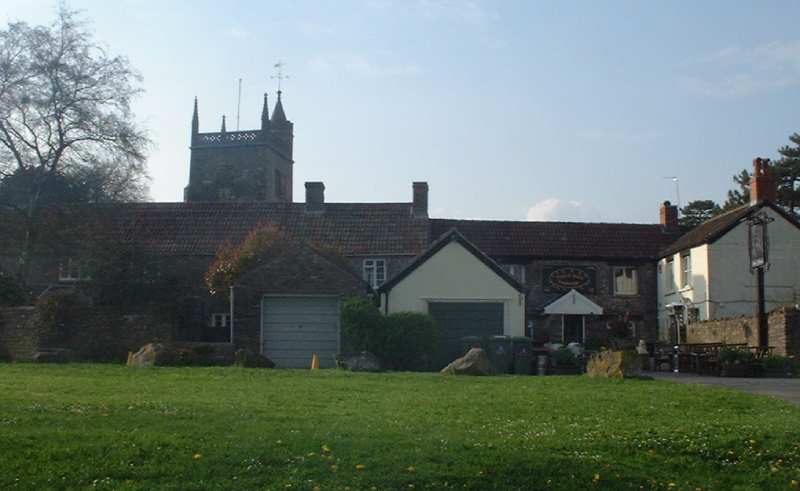
The parish church stands as the most prominent historic structure in the village. With origins dating back to the medieval period, it has undergone gradual changes rather than radical rebuilding. This layered history is visible in its stonework, interior fittings, and layout.
Beyond its architectural value, the church remains a symbol of continuity. It connects present-day residents with generations who lived, worked, and worshipped in the same place.
Landscape and Natural Setting
The Mendip Hills Environment
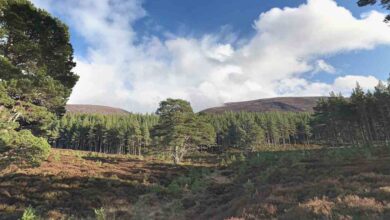
Hinton Blewett lies close to the Mendip Hills, an area known for its rolling limestone landscapes, dry stone walls, and expansive views. This setting has shaped both the economy and lifestyle of the village.
Footpaths and bridleways link the settlement to neighbouring countryside, making it a popular starting point for walkers exploring the region. The natural environment also supports wildlife, with birds, small mammals, and seasonal flora contributing to the area’s appeal.
The Chew Valley Connection
The village’s proximity to the Chew Valley adds another layer to its geographical character. The valley has long been important for water resources and agriculture, and it continues to influence land use patterns today.
This relationship between village and valley highlights how rural settlements evolved in harmony with their surroundings rather than imposing upon them.
Community Life and Local Identity
A Close-Knit Village Community
Despite changes in society and technology, Hinton Blewett has retained a strong sense of community. Village events, informal gatherings, and shared responsibilities help maintain social connections that are increasingly rare in larger towns.
Residents often take pride in preserving local traditions while remaining welcoming to newcomers. This balance between continuity and openness has helped sustain village life into the modern era.
Governance and Local Decision-Making
Local governance has historically played a role in shaping Hinton Blewett. From manorial courts in medieval times to parish councils today, decision-making has remained rooted in local concerns.
This tradition of self-management contributes to the village’s resilience and ensures that development is approached with care and respect for heritage.
Modern Hinton Blewett
Adapting to Contemporary Life
Like many rural villages, Hinton Blewett has adapted to modern living while striving to protect its character. Improved transport links and digital connectivity allow residents to work beyond the village, yet daily life remains grounded in a rural setting.
Housing development has been limited and sensitive, ensuring that growth does not overwhelm the existing landscape or community.
Tourism and Responsible Interest
Interest in Hinton Blewett has grown among visitors seeking authentic countryside experiences. Walkers, history enthusiasts, and those exploring Somerset’s villages are drawn to its understated charm.
Responsible tourism plays an important role here. Visitors are encouraged to respect private property, local customs, and the natural environment, helping to preserve what makes the village special.
Cultural and Historical Significance
A Living Example of Rural England
Hinton Blewett offers a living example of how English villages have evolved without losing their essence. Its history is not confined to museums or archives but remains visible in everyday life, from field boundaries to building layouts.
This continuity makes the village valuable not only to residents but also to those studying rural history, architecture, and social change.
Preservation and the Future
Preservation efforts in Hinton Blewett focus on maintaining authenticity rather than freezing the village in time. Adaptive reuse of buildings, careful planning decisions, and community involvement all contribute to a sustainable future.
The challenge lies in accommodating change while honouring the past, a balance that the village has managed successfully for generations.
FAQs
Is Hinton Blewett a good place to visit for countryside walks?
Yes, the village is well placed for countryside walks, with access to footpaths and scenic routes across the Mendip Hills and surrounding valleys.
Does Hinton Blewett have historical significance?
Hinton Blewett has a documented history dating back to the Domesday Book and features medieval architecture and long-standing parish traditions.
What kind of architecture is found in Hinton Blewett?
The village is known for traditional stone buildings, historic farmhouses, and a medieval parish church that reflects centuries of gradual development.
Is Hinton Blewett still an active community today?
Yes, it remains a close-knit community with ongoing local events, parish involvement, and a strong sense of shared identity.
Why is Hinton Blewett considered a conservation area?
Its well-preserved historic buildings, traditional layout, and relationship with the surrounding landscape contribute to its conservation status.
Conclusion
Hinton Blewett stands as a quietly remarkable example of England’s rural heritage. Its story is one of continuity rather than upheaval, shaped by agriculture, faith, landscape, and community spirit. From its Saxon origins and medieval development to its carefully preserved architecture and modern village life, it reflects the enduring value of places that grow slowly and thoughtfully.
In a world of rapid change, Hinton Blewett reminds us that history does not always announce itself loudly. Sometimes it lives on in stone walls, winding lanes, and a community that understands the importance of remembering where it came from while looking calmly towards the future.