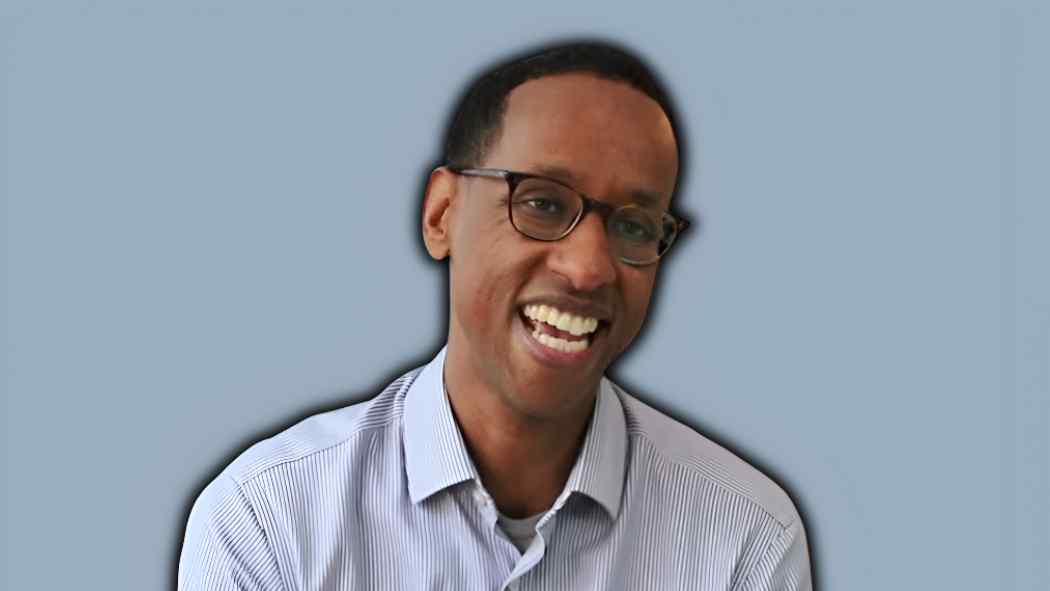
Hashi Mohamed is one of the most compelling public voices in modern Britain, combining legal expertise, lived experience, and thoughtful commentary on social mobility, housing, and opportunity. His journey from an unaccompanied child refugee to a respected barrister, broadcaster, and author offers not only inspiration but also a clear-eyed examination of how British society works, and for whom it truly works..
Quick Bio
| Profile Detail | Information |
|---|---|
| Full Name | Hashi Mohamed |
| Date of Birth | September 1983 |
| Age | Early 40s |
| Height | Approx. 5 ft 9 in (estimated) |
| Nationality | British |
| Profession | Barrister, Author, Broadcaster |
| Specialism | Planning law, public law, environmental law |
| Education | Law & French (University of Hertfordshire); Postgraduate studies (University of Oxford) |
| Notable Books | People Like Us; A Home of One’s Own |
| Career Highlights | Barrister at Landmark Chambers; BBC Radio 4 presenter; Nationally recognised commentator on social mobility |
| Estimated Net Worth | Not publicly disclosed |
| Social Media | Active on X (Twitter) and other public platforms |
Early Life and Background
A Childhood Shaped by Displacement
Hashi Mohamed was born in Nairobi, Kenya, to Somali parents, at a time when political instability and conflict were reshaping the Horn of Africa. His early years were marked by upheaval, uncertainty, and displacement, experiences that would later shape both his worldview and his professional focus.
At just nine years old, he arrived in the United Kingdom as an unaccompanied child refugee. With no parents to guide him and very limited resources, he entered a system that often struggles to support vulnerable young people. Life in Britain did not immediately offer stability; instead, it presented new challenges, including poverty, social exclusion, and the quiet but persistent barriers faced by those without family networks or inherited advantage.
Growing Up on the Margins
Raised largely in care and on state benefits, Hashi Mohamed experienced first-hand what it means to grow up without financial security or social capital. Yet, rather than allowing these circumstances to define his future, he developed a deep sense of determination and intellectual curiosity.
School became both a refuge and a proving ground. Teachers who recognised his potential played an important role, as did his own resilience. These formative years laid the groundwork for his later belief that talent exists everywhere, even if opportunity does not.
Education and Academic Development
University Years
Hashi Mohamed went on to study Law and French at the University of Hertfordshire. For a young man without family connections to the legal profession, entering the world of law was daunting. The culture, language, and expectations of elite professions can often feel impenetrable to outsiders, but Mohamed persisted.
His academic performance and growing confidence opened doors that once seemed unreachable. Crucially, he learned not only the substance of law but also how institutions operate and how informal norms shape outcomes.
Postgraduate Studies at Oxford
Further postgraduate study at the University of Oxford represented a significant milestone. For someone from a refugee background, studying at one of the world’s most prestigious universities was both an achievement and a moment of reflection on inequality.
At Oxford, Hashi Mohamed sharpened his analytical skills and deepened his understanding of public law, governance, and policy. These experiences reinforced his interest in how legal frameworks intersect with social outcomes, particularly in areas such as housing and planning.
Legal Career as a Barrister
Qualification and Chambers
After completing his professional training, Hashi Mohamed was called to the Bar and became a member of Lincoln’s Inn. He joined Landmark Chambers, a leading set known for expertise in planning, environmental, and public law.
Working at the Bar is highly competitive, and success often depends on networks as much as merit. Mohamed’s progression in this environment speaks to both his legal ability and his perseverance in navigating a profession that can be resistant to change.
Areas of Practice
As a practising barrister, Hashi Mohamed specialises in planning law, public law, and environmental matters. His work involves complex cases that shape how land is used, how infrastructure is developed, and how public authorities make decisions.
These areas of law are not abstract; they directly affect housing supply, community development, and environmental protection. Through his legal practice, Mohamed engages with some of the most pressing structural issues facing Britain today.
Reputation and Recognition
Over time, Hashi Mohamed has earned recognition as a thoughtful and effective advocate. Clients and colleagues value his clarity, fairness, and ability to see the broader social implications of legal disputes.
His career demonstrates that professional excellence and social awareness are not mutually exclusive. Instead, they can reinforce one another.
Writing and Authorship
People Like Us
Hashi Mohamed’s first book, People Like Us, explores social mobility in modern Britain. Drawing on personal experience and rigorous analysis, the book challenges comforting myths about meritocracy.
Rather than offering easy answers, Mohamed examines how class, education, and networks shape life chances. He argues that success is rarely the result of individual effort alone and that acknowledging structural advantage is essential if society is to become fairer.
The book was widely praised for its honesty and accessibility, resonating with readers across political and social divides.
A Home of One’s Own
His second major work, A Home of One’s Own, focuses on the UK housing crisis. Here, Mohamed combines his legal expertise with lived experience to examine why housing has become unaffordable and insecure for so many.
He addresses planning policy, land use, political incentives, and cultural attitudes toward property. Importantly, he frames housing not merely as an economic issue but as a moral one, tied to dignity, stability, and opportunity.
Together, his books establish him as a leading voice on inequality, grounded in evidence rather than ideology.
Broadcasting and Media Presence
BBC Radio and Public Commentary
Hashi Mohamed is also a familiar voice on British radio, particularly through his work with BBC Radio 4. His documentaries and discussions often focus on class, belonging, and the lived realities behind public policy.
As a broadcaster, he is known for a calm, reflective style that invites listeners to think rather than react. He avoids sensationalism, preferring nuance and depth, qualities that have earned him respect across audiences.
Journalism and Opinion Writing
In addition to broadcasting, Mohamed writes opinion pieces and essays for major UK publications. His writing bridges the gap between personal narrative and policy analysis, making complex issues accessible without oversimplifying them.
Whether discussing education, housing, or social mobility, his contributions consistently challenge readers to question assumptions and consider perspectives often overlooked.
Views on Social Mobility and Inequality
Beyond the Meritocracy Myth
One of Hashi Mohamed’s central arguments is that Britain’s belief in meritocracy can obscure deep inequalities. He does not deny the value of hard work, but he emphasises that starting points matter.
Access to stable housing, supportive families, and professional networks creates advantages that compound over time. By contrast, those without such support face obstacles that effort alone cannot always overcome.
The Role of Institutions
Mohamed frequently highlights the role of institutions, from schools to the legal system, in shaping outcomes. Reform, in his view, requires honesty about how these systems operate in practice, not just in theory.
His perspective is informed by both personal experience and professional insight, lending credibility to his arguments.
Personal Life and Character
Hashi Mohamed is relatively private about his personal life, preferring to focus public attention on ideas rather than celebrity. This restraint reinforces his reputation as a serious thinker rather than a self-promoter.
Those who have worked with him often describe him as thoughtful, measured, and principled. He is known for listening carefully and engaging respectfully, even in disagreement.
Influence and Legacy
A Voice That Resonates
Hashi Mohamed’s influence lies not in headlines but in sustained, thoughtful engagement. By combining law, writing, and broadcasting, he reaches audiences across professions and backgrounds.
His story resonates particularly with those who feel excluded from traditional pathways to success, but his insights are equally valuable to policymakers, professionals, and educators.
Shaping the Conversation
At a time when public debate can be polarised and shallow, Mohamed offers depth and empathy. His work encourages a more honest conversation about opportunity, fairness, and responsibility in Britain.
Conclusion
Hashi Mohamed’s journey from refugee child to leading barrister and author is remarkable, but his significance goes beyond biography. Through law, writing, and broadcasting, he has become a vital voice in Britain’s ongoing conversation about fairness, opportunity, and belonging.
By refusing easy narratives and insisting on honesty, Hashi Mohamed invites society to look more closely at itself. His work does not merely tell a story of personal success; it asks difficult questions about the structures that shape all our lives.
FAQs
Who is Hashi Mohamed?
Hashi Mohamed is a British barrister, author, and broadcaster known for his work on social mobility, housing, and inequality, shaped by his experience as a former child refugee.
What are Hashi Mohamed’s main books about?
His books focus on social mobility and housing in Britain, examining how structural factors influence life chances and access to opportunity.
What area of law does Hashi Mohamed practise?
He specialises in planning law, public law, and environmental law, working on cases that affect housing and development.
Is Hashi Mohamed involved in the media?
Yes, he regularly contributes to BBC radio programmes and writes opinion pieces for major UK publications.
Why is Hashi Mohamed considered influential?
He combines lived experience, legal expertise, and clear communication to challenge myths about meritocracy and highlight structural inequality.