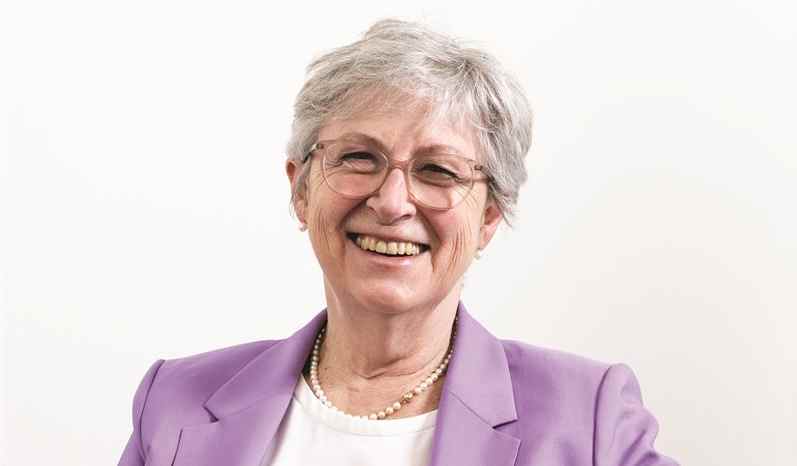
Gisela Stuart stands out as one of the most distinctive and independent figures in modern British politics. Known for her strong convictions, cross-party thinking, and prominent role in the Brexit campaign, she has carved a unique path that challenges traditional political alignments. Over a career spanning decades, she has transitioned from a Labour Member of Parliament to a respected crossbench peer in the House of Lords, demonstrating intellectual independence and a commitment to public service.
Early Life and Education
A Bavarian Beginning
Born in Velden, Bavaria, in 1955, Gisela Stuart spent her early years in West Germany. Her upbringing in a post-war European environment would later shape her nuanced views on European integration and national sovereignty.
Moving to the United Kingdom
In 1974, she moved to the United Kingdom, initially to improve her English. However, what began as a temporary relocation quickly became permanent. She immersed herself in British culture and education, eventually pursuing a law degree at the University of London.
Academic and Professional Foundations
Before entering politics, she worked in publishing and academia. These experiences helped her develop strong analytical skills and a broad understanding of policy, communication, and governance—qualities that would later define her political career.
Entry into Politics
Joining the Labour Party
Gisela Stuart joined the Labour Party and became actively involved in political life. Her early engagement reflected a commitment to social justice, public services, and democratic values.
Becoming an MP
In 1997, she was elected as the Member of Parliament for Birmingham Edgbaston, a seat she would hold for two decades. Her victory came during a transformative period in British politics, as the Labour Party under Tony Blair secured a landslide win.
Parliamentary Career
Ministerial Role in Health
Between 1999 and 2001, Gisela Stuart served as a Parliamentary Under-Secretary of State for Health. In this role, she contributed to reforms aimed at improving NHS services and expanding access to care.
Reputation as an Independent Thinker
Throughout her time in Parliament, she earned a reputation as a principled and sometimes unconventional politician. She was not afraid to challenge party lines when she believed it necessary, which often placed her at odds with colleagues but also earned her respect across the political spectrum.
Focus on Constitutional Affairs
She developed a particular interest in constitutional matters, including the relationship between the UK and the European Union. This area would later become central to her political identity.
Role in European Constitutional Debates
Involvement in the European Convention
In the early 2000s, Gisela Stuart represented the UK in the European Convention tasked with drafting a proposed EU constitution. Her participation gave her first-hand insight into the complexities of European governance.
Growing Euroscepticism
Her experiences during the convention played a significant role in shaping her sceptical views of the EU. She became increasingly concerned about issues of democratic accountability and national sovereignty, concerns that would later underpin her stance during the Brexit referendum.
The Brexit Campaign
A Labour Voice for Leave
One of the most defining chapters in her career came during the 2016 EU referendum. At a time when most senior Labour figures supported remaining in the EU, Gisela Stuart emerged as a leading advocate for leaving.
Chair of Vote Leave
She served as the chair of the Vote Leave campaign committee, working alongside politicians from different parties. Her involvement brought a degree of cross-party credibility to the Leave campaign.
Key Arguments
Her arguments for Brexit centred on democratic accountability, the need for legislative independence, and the belief that the UK could thrive outside the EU framework. She emphasised that leaving the EU was not about isolation but about reclaiming decision-making powers.
Post-Referendum Influence
Continued Engagement in Public Debate
Following the referendum result, Gisela Stuart remained active in discussions about the UK’s future relationship with Europe. Her insights were frequently sought in media and policy circles.
Departure from the Labour Party
Over time, her political alignment shifted. She eventually distanced herself from the Labour Party, reflecting broader ideological differences.
Appointment to the House of Lords
Becoming Baroness Stuart of Edgbaston
In 2020, she was appointed to the House of Lords as Baroness Stuart of Edgbaston. This marked a new phase in her public service career.
Crossbench Position
Unlike many peers, she chose to sit as a crossbench member, meaning she is not affiliated with any political party. This position aligns with her long-standing reputation for independence and allows her to contribute to debates without party constraints.
Roles Beyond Parliament
First Civil Service Commissioner
In 2022, Gisela Stuart was appointed as the First Civil Service Commissioner. In this role, she oversees the recruitment of senior civil servants and ensures that appointments are made on merit.
Chair of Wilton Park
She has also served as chair of Wilton Park, an organisation that facilitates global dialogue on international issues. This role reflects her continued engagement with international affairs and diplomacy.
Other Public Appointments
Her leadership extends to various advisory and oversight bodies, including roles that influence cultural and institutional development within the UK.
Political Philosophy and Legacy
A Pragmatic Approach
Gisela Stuart is often described as pragmatic rather than ideological. She approaches policy with a focus on outcomes rather than strict adherence to party doctrine.
Bridging Divides
Her career demonstrates an ability to bridge political divides. Whether working with Conservatives during the Brexit campaign or maintaining independence in the Lords, she has consistently prioritised her principles over partisan loyalty.
Influence on Constitutional Debate
Her contributions to debates on sovereignty, governance, and democratic accountability have left a lasting impact on British political discourse.
Personal Life
Family and Background
Gisela Stuart has maintained a relatively private personal life. She is a mother of two and has balanced her family responsibilities with a demanding political career.
Identity and Perspective
Her dual heritage—German by birth and British by choice—has given her a unique perspective on European and national identity. This perspective has informed much of her political thinking.
Challenges and Criticism
Controversy Over Brexit Stance
Her support for Brexit attracted criticism, particularly from within her former party. Some viewed her position as contradictory to Labour’s traditional pro-European stance.
Navigating Political Isolation
At times, her independent approach led to political isolation. However, she remained steadfast in her views, demonstrating resilience and conviction.
FAQs
Who is Gisela Stuart?
Gisela Stuart is a British politician and life peer who served as a Labour MP and later became a crossbench member of the House of Lords.
What role did Gisela Stuart play in Brexit?
She was the chair of the Vote Leave campaign and one of the most prominent Labour voices supporting Brexit.
When did Gisela Stuart become a member of the House of Lords?
She was appointed to the House of Lords in 2020 as Baroness Stuart of Edgbaston.
What is Gisela Stuart known for politically?
She is known for her independent thinking, her role in constitutional debates, and her advocacy for leaving the European Union.
What position does Gisela Stuart hold today?
She serves as the First Civil Service Commissioner and continues to contribute to public life through various roles.
Conclusion
Gisela Stuart’s journey from Bavaria to the centre of British political life is both remarkable and instructive. Her career reflects a willingness to challenge convention, engage with complex issues, and remain true to her convictions even in the face of criticism. As a parliamentarian, campaigner, and public servant, she has played a significant role in shaping modern Britain. Her legacy lies not only in her political achievements but also in her example of principled independence in an often polarised political landscape.