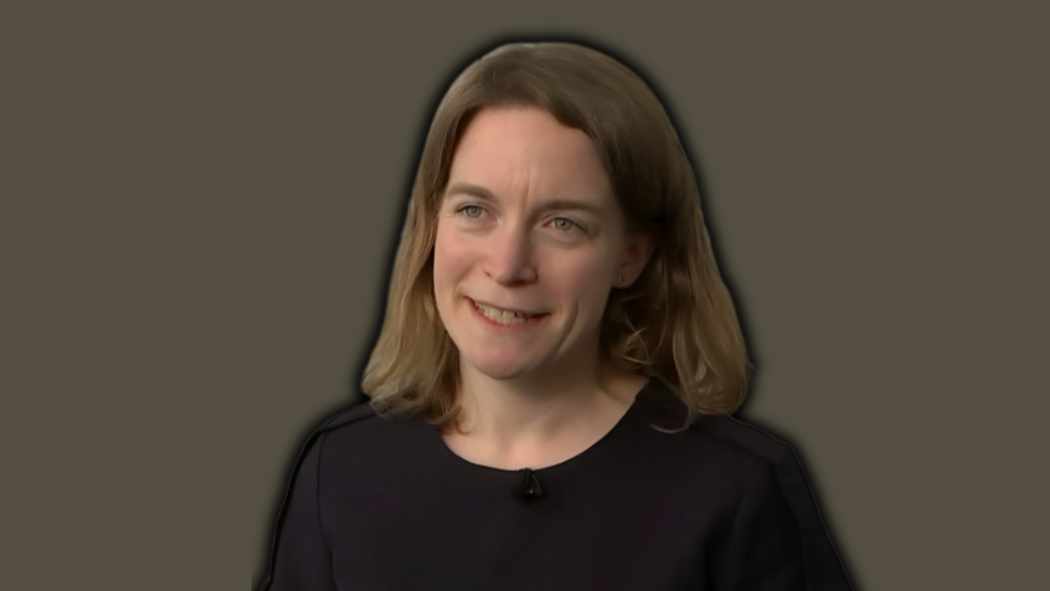
Gemma Tetlow is widely recognised as one of the most influential economists shaping public understanding of government finances in the United Kingdom. Known for her calm authority, clarity of thought, and ability to translate complex fiscal issues into accessible insights, she has become a trusted commentator on taxation, spending, pensions, and long-term economic sustainability. Her work sits at the intersection of academic rigour, real-world policy analysis, and public debate, making her a significant figure in modern British economic discourse.
Early Background and Academic Foundations
Gemma Tetlow’s authority in economics is rooted in a strong academic foundation. She studied economics at the University of Warwick, an institution well regarded for its analytical and quantitative focus. Her undergraduate and postgraduate studies laid the groundwork for a deep understanding of microeconomics, macroeconomics, and public policy.
She later completed a PhD in economics at University College London. Doctoral research demands a high level of intellectual discipline, originality, and technical skill, and this experience shaped her ability to analyse policy problems with both precision and independence. Her academic training is evident in her later work, where arguments are typically supported by data, long-term trends, and careful consideration of trade-offs rather than ideological positioning.
This blend of academic depth and practical relevance would become a defining feature of her career.
Career at the Institute for Fiscal Studies
A significant portion of Gemma Tetlow’s early professional career was spent at the Institute for Fiscal Studies, one of the UK’s most respected independent economic research organisations. During her time there, she worked extensively on public finances, taxation, pensions, and the distributional impact of government policy.
At the Institute for Fiscal Studies, she contributed to detailed analysis of government budgets, spending reviews, and fiscal rules. This work required not only technical expertise but also the ability to communicate findings clearly to policymakers, journalists, and the public. Over time, she became known for explaining how headline policy announcements translated into real outcomes for households, public services, and long-term economic health.
Her work at the Institute for Fiscal Studies helped establish her reputation as a careful, evidence-driven economist who was willing to challenge optimistic assumptions while remaining balanced and constructive.
Transition to Economic Journalism
After more than a decade in research, Gemma Tetlow moved into economic journalism, becoming an economics correspondent at a major national newspaper. This transition marked an important evolution in her career, allowing her to reach a wider audience and influence public debate more directly.
As a journalist, she reported on UK and global economic developments, government budgets, fiscal events, and policy reforms. Her reporting stood out for its analytical depth, avoiding sensationalism in favour of explanation and context. Rather than focusing solely on political drama, she consistently asked whether policies were affordable, sustainable, and effective over the long term.
This period sharpened her communication skills and reinforced her role as a bridge between technical economic analysis and public understanding. It also expanded her profile beyond academic and policy circles into mainstream media.
Role at the Institute for Government
Gemma Tetlow later took on the role of Chief Economist at the Institute for Government, a leading UK think tank focused on improving the effectiveness of government. In this position, she leads work on public finances and contributes to analysis across a broad range of policy areas.
At the Institute for Government, her work often focuses on how governments plan, manage, and deliver public spending. She examines issues such as fiscal rules, long-term budgeting, the pressures facing public services, and the challenges of policy implementation. Her analysis frequently highlights the gap between political promises and administrative or financial reality.
As Chief Economist, she plays a key role in shaping research priorities, mentoring other analysts, and representing the organisation in public debates. Her work here reinforces her reputation as a trusted, non-partisan voice on how government decisions affect economic outcomes.
Expertise in Public Finances and Fiscal Policy
One of Gemma Tetlow’s core areas of expertise is public finance. This includes government taxation, spending, borrowing, and debt management. She is particularly known for explaining why fiscal choices matter over decades, not just electoral cycles.
Her commentary often addresses questions such as how governments can fund public services sustainably, how demographic change affects pensions and healthcare costs, and how fiscal rules influence political decision-making. She frequently emphasises that there are no cost-free choices in public finance, and that trade-offs are inevitable.
Rather than advocating for a particular political agenda, her work focuses on transparency and realism. She encourages honest conversations about what the state can afford and what citizens can reasonably expect from public services.
Work on Pensions and Long-Term Sustainability
Pensions policy is another area where Gemma Tetlow has made a significant contribution. She has analysed the sustainability of state pensions, private pension provision, and the impact of ageing populations on public finances.
Her work often highlights how decisions made today can have far-reaching consequences for future generations. By examining long-term projections and demographic trends, she brings attention to issues that are easy to ignore in short-term political debates but critical for economic stability.
This focus on intergenerational fairness has become an important theme in her work, reinforcing the idea that good policy requires thinking beyond immediate political pressures.
Media Presence and Public Communication
Gemma Tetlow is a familiar presence across UK media, including television, radio, and print. She regularly appears as a commentator on economic and fiscal issues, particularly around major events such as budgets, spending reviews, and fiscal statements.
Her media contributions are marked by clarity and calm authority. She avoids jargon where possible and explains concepts in straightforward language without oversimplifying. This ability to communicate complex ideas clearly has helped build public trust in her analysis.
Importantly, she is careful to distinguish between facts, forecasts, and opinions. This disciplined approach enhances her credibility and sets her apart in a media environment where economic issues are often politicised.
Advisory Roles and Professional Recognition
Beyond her main roles, Gemma Tetlow has served in various advisory and fellowship positions. She has been involved in efforts to improve the quality and use of official economic statistics and has contributed to advisory boards linked to academic and policy institutions.
These roles reflect recognition of her expertise and judgement by peers across academia, government, and the policy community. They also demonstrate her commitment to improving how economic evidence is generated and used in decision-making.
Influence on Policy Debate
While Gemma Tetlow does not hold elected office, her influence on policy debate is substantial. Policymakers, civil servants, journalists, and academics frequently engage with her analysis. Her work often shapes how fiscal challenges are framed and discussed in public.
By focusing on evidence, long-term thinking, and institutional constraints, she helps shift debate away from simplistic narratives. This influence is particularly valuable in areas such as public spending, where misunderstanding can lead to unrealistic expectations and poor policy choices.
Her approach reinforces the importance of honesty in economic debate, even when the conclusions are uncomfortable.
Style, Approach, and Professional Ethos
A defining feature of Gemma Tetlow’s work is her professional ethos. She approaches economic questions with curiosity rather than dogma, and with respect for evidence over ideology. Her writing and commentary are measured, avoiding exaggerated claims or alarmist language.
This style resonates with audiences seeking reliable information in a complex and often polarised policy environment. It also makes her work durable, as it remains relevant beyond immediate political cycles.
Her career demonstrates how economists can contribute to public life not by prescribing simple answers, but by improving the quality of questions being asked.
Broader Significance in the UK Context
In a period marked by fiscal pressures, demographic change, and growing demands on public services, voices like Gemma Tetlow’s play a crucial role. She helps the public and policymakers understand the constraints facing government and the consequences of different choices.
Her work contributes to a healthier democratic debate, where economic realities are acknowledged rather than ignored. This broader significance extends beyond any single role or institution, positioning her as a key figure in contemporary UK economic analysis.
Conclusion
Gemma Tetlow stands out as a leading economist and public commentator in the United Kingdom, respected for her expertise in public finance, pensions, and fiscal policy. Through her work in research, journalism, and policy analysis, she has consistently demonstrated a commitment to clarity, evidence, and long-term thinking.
Her influence lies not in advocating for particular political outcomes, but in improving understanding of the economic choices facing government and society. By bridging the gap between technical analysis and public debate, she has helped raise the standard of discussion around some of the UK’s most important policy challenges.