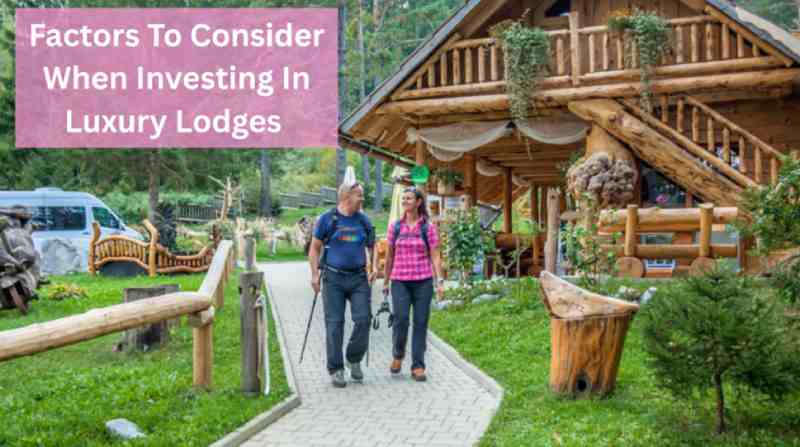
High-end property investment can be overwhelming at times, particularly when the market has mixed opinions, unstable demand, and increasing prices. You might be asking yourself whether luxury lodges deliver consistent returns or whether there are unseen risks that outweigh the gains.
Furthermore, making the wrong decision regarding location or disregarding the specifics of the operation can soon turn out to be a stressful investment.
However, these issues can be managed with the help of the proper evaluation framework. Once you know what really drives value, performance, and long-term appeal, then making decisions becomes more transparent.
This article examines the major factors that you need to take into consideration before investing in luxury lodges so that you can evaluate opportunities with a practical and informed mind.
1. Location and Market Demand
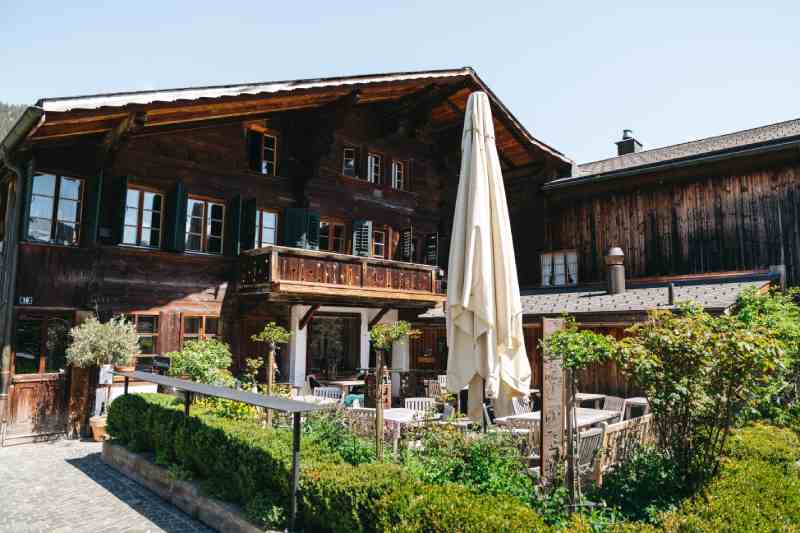
The foundation of successful luxury lodges investment lies in location. Firstly, when guests are visiting luxury lodges, they are likely to be seeking privacy, scenery, and access to nature without losing comfort.
As such, regions that surround national parks, coastal landscapes, or countryside recreational spots that are attractive throughout the year are more likely to perform well.
Meanwhile, aesthetics are not the only aspect of demand that should be considered. You need to evaluate the number of visitors, seasonal patterns, and the surrounding attractions.
For instance, a scenic site that is inaccessible or has limited activities might not perform well during the off-season. Consequently, high-demand indicators can help limit the risk of vacancies and stabilize revenue.
Moreover, think about further development plans in the area. Infrastructure additions or tourism projects can add long-term value, whereas overdevelopment may dilute exclusivity.
2. Build Quality and Design Standards
After the location is determined, the next important factor is the quality of construction. Luxury lodge guests want durability combined with sophisticated design.
Low-quality construction soon leads to an expensive maintenance bill and damaged reputation. Another aspect of equal importance is the integration of the lodge with the surroundings.
Considerate designs, natural fabrics, and energy-efficient systems are less likely to lose their charm as they age, and they are liked by the travelers who are environmentally conscious.
Conversely, the designs that focus on trends instead of functionality may need expensive upgrades at a shorter time than originally projected. Moreover, internal features, including insulation, heating systems, and soundproofing, have a direct impact on the comfort of the guests.
In cases where these factors are not taken into account, even the most visually attractive lodges can have negative feedback, which affects the occupancy and revenue.
3. Operational and Management Considerations

Looking past the physical assets, you need to take a closer look at the management of the lodge. Increased efficiency in operations is significant in securing returns and minimizing stress.
These involve guest communication, housekeeping standards, booking systems, and constant maintenance. In case you intend to outsource the management, it is important to have transparency regarding duties and charges.
Clear reporting and monitoring of performance can help you understand the actual performance of your investment. Contrarily, inadequate arrangements may bring about financial surprises.
In addition, compliance with local regulations, safety standards, and licensing requirements should be considered. These requirements differ by area, and when disregarded, they may interfere with operations or may result in fines.
4. Financial Performance and Cost Structure
It is crucial to learn all about the financial setup before investing. Although the gross returns might look good, you need to look at the net income after expenses. Profitability can be greatly influenced by operating expenses such as utilities, cleaning, insurance, and management fees.
Moreover, financing terms and ongoing obligations should be taken into account. Long-term financial health is affected by interest rates, loan flexibility, and conditions of exit. As such, a realistic cash flow projection is more valuable than an optimistic projection.
Low occupancy periods should also be considered. Even well-situated lodges seasonally decline. These fluctuations are planned to make the investment sustainable rather than reactive.
5. Guest Experience and Amenities

The experience of the guest has a direct impact on repeat bookings and reviews that, in turn, impact the stability of revenue. Luxury lodge visitors are more likely to prioritize privacy, timely comfort, and considerate services as opposed to over-the-top features.
For instance, well-designed outdoor spaces, private hot tubs, or panoramic views often have a stronger impact than unnecessary add-ons. At the same time, reliable Wi-Fi, modern kitchens, and quality furnishings are no longer optional expectations.
Additionally, ease of check-in, clear instructions, and responsive support shape overall satisfaction. When these elements are consistent, guests are more likely to recommend the lodge, reducing reliance on paid marketing channels.
6. Long-Term Value and Exit Strategy
Finally, you should consider how the investment fits into your long-term financial goals. While short-term returns matter, resale value and market resilience are equally important. Properties that maintain quality and location appeal tend to hold value better during market shifts.
You should also assess how adaptable the lodge is to changing guest preferences. Flexible layouts, sustainable features, and timeless design support longevity. In contrast, highly specialized designs may limit future buyer interest.
Moreover, having a clear exit strategy helps guide decisions from the start. Whether you plan to sell, refinance, or hold for income, understanding your end goal ensures that each investment choice aligns with that outcome.
Conclusion
Investing in luxury lodges requires more than surface-level appeal. By carefully evaluating location, build quality, operations, finances, guest experience, and long-term value, you position yourself to make informed and confident decisions.
Each factor works together, and overlooking one can weaken the entire investment. When approached methodically, luxury lodge investments can offer a balanced combination of lifestyle appeal and financial performance.