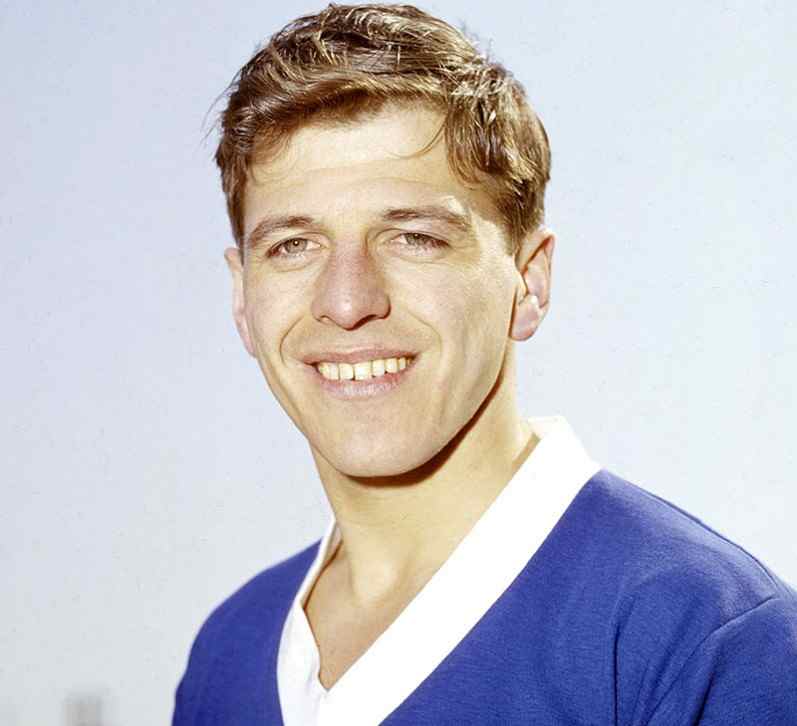
Scottish football has produced many outstanding defenders, yet few combined intelligence, composure, and leadership as naturally as Eric Caldow. Known for his loyalty to Rangers Football Club and his commanding presence for the Scotland national team, he represented a generation when football was defined as much by character as by talent. His career unfolded during a transformative period in British football, bridging the traditional post-war game and the modern tactical era that followed.
While some players earned fame through flamboyance, Caldow gained admiration through consistency and professionalism. Supporters valued him not only for his defensive skill but also for the calm authority he brought to the pitch. Over time, he became a symbol of reliability, captaining both club and country and leaving behind a legacy rooted in discipline and respect.
Early Life and Beginnings in Ayrshire
Born on 14 May 1934 in the mining town of Cumnock, Ayrshire, Eric Caldow grew up in a working-class environment where football served as both entertainment and aspiration. Like many Scottish boys of his era, he learned the game on local pitches rather than in structured academies. These early experiences fostered resilience and adaptability, qualities that later defined his professional career.
Football in mid-twentieth-century Scotland demanded toughness. Matches were physical, pitches were often heavy, and tactical systems were still evolving. Caldow developed a strong defensive awareness early on, understanding positioning and timing before formal coaching refined those instincts.
Local performances soon attracted attention from professional scouts. Rangers, already one of the most prestigious clubs in Britain, recognised his potential and brought him into their ranks as a young player in the early 1950s. This move marked the beginning of a remarkable football journey.
Rise at Rangers Football Club
Breaking into the First Team
Joining Rangers was both an opportunity and a challenge. Competition for places was intense, and young players were expected to prove themselves quickly. Eric Caldow worked steadily through the ranks, impressing coaches with his maturity and tactical understanding.
He made his senior debut in 1954 and gradually established himself as a regular defender. Unlike aggressive full-backs who relied purely on physical strength, Caldow preferred anticipation and positioning. He read the game intelligently, often intercepting attacks before they became dangerous.
Establishing Defensive Authority
Throughout the late 1950s, Rangers experienced considerable domestic success, and Caldow became a cornerstone of their defence. His calm decision-making helped stabilise the team during high-pressure matches, particularly in Old Firm clashes where intensity reached extraordinary levels.
Supporters appreciated his reliability. Week after week, he delivered disciplined performances without seeking personal attention. This consistency earned him the trust of teammates and managers alike.
Leadership and Captaincy
Leadership came naturally to him. Rather than shouting instructions constantly, he led through example. By the early 1960s, Eric Caldow had become club captain, guiding Rangers during a competitive period in Scottish and European football.
Under his leadership, Rangers pursued domestic trophies and ventured deeper into European competitions. His captaincy reflected professionalism and unity, helping younger players adapt to the demands of elite football.
Playing Style and Tactical Intelligence
A Modern Defender Ahead of His Time
Although football tactics were simpler during his era, Caldow displayed qualities associated with modern defenders. He combined defensive solidity with positional awareness, ensuring he rarely committed unnecessary fouls.
His strengths included:
- Excellent anticipation of opposition movement
- Clean tackling technique
- Strong aerial ability despite not being overly tall
- Calm distribution from the back
Rather than relying on speed alone, he focused on reading attacking patterns. This approach allowed him to neutralise faster opponents effectively.
Discipline and Composure
Observers frequently described Eric Caldow as composed under pressure. In tense matches, he maintained organisation across the defensive line, communicating quietly but effectively. Such composure proved invaluable in international fixtures, where mistakes were often decisive.
His disciplined approach also meant he avoided controversy. At a time when football could be fiercely physical, he earned respect from opponents as well as supporters.
International Career with Scotland
Representing the National Side
International selection marked a significant milestone in Caldow’s career. Representing Scotland carried immense pride, and he quickly became a regular choice for the national team.
Over several years, he earned forty caps and scored four goals, impressive figures for a defender. His performances demonstrated that Scottish players could compete confidently against Europe’s strongest nations.
The 1958 World Cup Experience
Participation in the 1958 FIFA World Cup in Sweden provided invaluable experience. Although Scotland faced tough competition, the tournament exposed players to different playing styles and tactical approaches emerging across Europe.
For Eric Caldow, international football reinforced his reputation as a dependable defender capable of performing on the global stage.
Captaincy and Influence
Eventually entrusted with captaincy duties, he led Scotland in multiple matches. His leadership style mirrored his club approach: calm, thoughtful, and focused on teamwork rather than personal recognition.
Teammates often noted his ability to steady the side during challenging moments, ensuring organisation even against technically superior opponents.
Injury and Career Challenges
Football careers during the 1960s lacked modern medical support, making injuries particularly dangerous. A serious leg injury suffered in an international match during the early 1960s significantly affected Caldow’s playing trajectory.
Recovery required determination and patience. Despite returning to competitive football, the injury limited his physical capabilities and gradually reduced his playing time at the highest level.
Nevertheless, his professionalism during recovery earned admiration. He continued contributing to his team through experience and leadership, demonstrating resilience that defined his character.
Later Playing Years and Transition
After leaving Rangers in 1966, Eric Caldow continued his playing career with other clubs, including Stirling Albion. Moving away from a major club environment required adjustment, yet he embraced the opportunity to mentor younger teammates.
These later years allowed him to share tactical knowledge gained from top-level football. Younger players benefited from his experience, learning positional discipline and match awareness directly from a seasoned professional.
Gradually, his focus shifted towards management and coaching, signalling the next phase of his involvement in the sport.
Management and Coaching Career
Player-Manager Roles
Like many experienced footballers of his generation, Caldow transitioned into management through player-manager roles. This dual responsibility required balancing tactical planning with on-field performance.
He managed clubs such as Corby Town, where his leadership extended beyond tactics to player development and team culture.
Coaching Philosophy
His managerial philosophy reflected his playing style:
- Organisation over flair
- Discipline as the foundation of success
- Collective responsibility within the squad
Rather than imposing rigid systems, he encouraged players to understand positional responsibilities and decision-making.
Although his managerial career did not achieve the same fame as his playing days, it demonstrated his deep understanding of football and commitment to nurturing talent.
Contribution to Rangers’ Legacy
Rangers Football Club experienced numerous legendary eras, and Eric Caldow remains closely associated with one of its most respected periods. His longevity at the club highlighted rare loyalty in professional football.
Supporters remember him not for dramatic moments alone but for sustained excellence. Over more than a decade, he helped build defensive stability that enabled attacking players to flourish.
The respect he earned endured long after retirement, culminating in recognition through honours celebrating his contribution to Scottish football history.
Recognition and Hall of Fame Honour
In 2007, Eric Caldow received induction into the Scottish Football Hall of Fame, confirming his place among the nation’s most influential players. The honour acknowledged not only achievements but also sportsmanship and leadership.
Such recognition reflected how former teammates, historians, and supporters viewed his career: a model of professionalism during a demanding era of football.
Personality Beyond the Pitch
Away from football, Caldow was known as modest and approachable. Unlike many modern athletes, players of his generation maintained close connections with their communities.
He rarely sought publicity, preferring quiet appreciation over fame. This humility strengthened his reputation, reinforcing the perception of him as a true gentleman of the game.
Former colleagues frequently described him as thoughtful and dependable, qualities that mirrored his playing style.
Influence on Modern Scottish Defenders
Although football has evolved significantly, aspects of Caldow’s approach remain relevant today. Modern defenders are expected to combine tactical intelligence with composure — traits he demonstrated decades earlier.
Young Scottish players studying historical figures often encounter Eric Caldow as an example of how positioning and decision-making can outweigh physical advantages.
His career illustrates that leadership in football does not always require dramatic gestures; sometimes consistency and reliability leave the strongest legacy.
Historical Context: Football in His Era
Understanding Caldow’s achievements requires recognising the challenges of mid-twentieth-century football:
- Heavy leather balls and difficult pitch conditions
- Limited substitutions and medical support
- Tactical systems still developing
- Increased physical demands
Excelling under such circumstances highlighted exceptional adaptability. Players relied heavily on instinct and experience rather than extensive analytics or modern coaching structures.
Within this context, his longevity becomes even more impressive.
Lasting Legacy
The story of Eric Caldow represents more than individual success. It reflects an era when loyalty to club and country shaped football identities. His career serves as a reminder that greatness can be measured through consistency, leadership, and respect rather than celebrity status.
Even decades later, Rangers supporters remember him as a captain who embodied professionalism, while Scottish football historians regard him as one of the finest defenders of his generation.
His influence persists through the values he represented — discipline, humility, and dedication to the team above personal glory.
FAQs
Who was Eric Caldow?
He was a Scottish professional footballer who played primarily as a defender, best known for his long career with Rangers and appearances for the Scotland national team.
What position did Eric Caldow play?
He played mainly as a full-back, specialising in defensive organisation and tactical positioning.
Did Eric Caldow captain Scotland?
Yes, he captained the Scotland national team on several occasions during his international career.
Which major tournament did he play in?
He represented Scotland at the 1958 FIFA World Cup held in Sweden.
Was Eric Caldow honoured after retirement?
He was inducted into the Scottish Football Hall of Fame in recognition of his contributions to the sport.
Conclusion
Eric Caldow’s career stands as a powerful example of dedication and professionalism within Scottish football history. From humble beginnings in Ayrshire to captaincy roles at both Rangers and Scotland, he demonstrated how intelligence and consistency could define a footballer’s legacy.