East Hendred is one of those rare English villages that feels quietly confident in its identity. Set against the gentle slopes of the Berkshire Downs in South Oxfordshire, it blends deep historical roots with a strong sense of present-day community. Rather than being frozen in time, East Hendred has evolved carefully, preserving its medieval layout, traditions, and architecture while adapting to modern rural life.
The Setting and Location of East Hendred
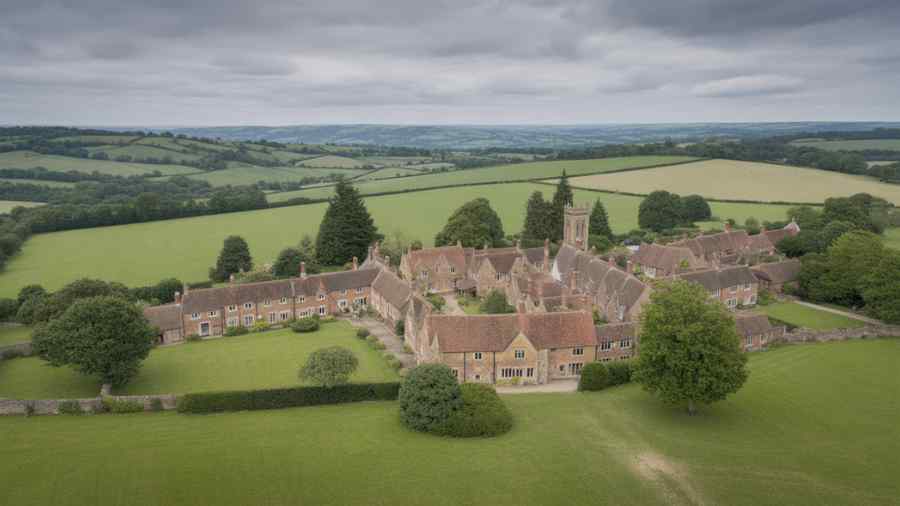
East Hendred sits in the Vale of White Horse, an area known for its rolling chalk hills, open farmland, and ancient pathways. The village lies roughly midway between Wantage and Didcot, placing it within easy reach of transport links while retaining a distinctly rural character.
The surrounding countryside plays a major role in village life. Fields, footpaths, and wooded edges frame the settlement, while nearby ancient routes have connected East Hendred to wider England for centuries. This balance of accessibility and seclusion has helped the village remain both relevant and rooted.
A Village with Ancient Origins
Early Settlement and Prehistoric Roots
The story of East Hendred begins long before written records. Archaeological evidence from the surrounding downs suggests human activity dating back to prehistoric times. Burial mounds and ancient earthworks in the wider area point to early communities who recognised the value of this elevated landscape.
These early settlers were drawn by fertile land, access to water, and strategic views across the valley. While the village itself developed later, its setting reflects thousands of years of continuous human connection to the land.
Medieval Development and Growth
By the medieval period, East Hendred had become a well-established settlement. The village developed along a main street pattern that still exists today, lined with houses, farm buildings, and communal spaces. Agriculture was the backbone of local life, with sheep farming and wool production playing a particularly important role.
Unlike many villages that remained small and purely agricultural, East Hendred grew in influence. Its prosperity allowed for the construction of stone and timber buildings that still define its character, giving the village a sense of permanence and quiet wealth.
Architecture That Tells a Story
Traditional Houses and Cottages
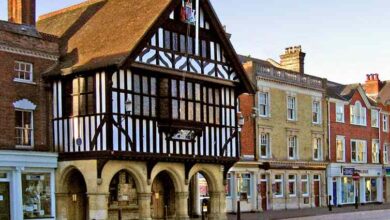
Walking through East Hendred feels like stepping into a living history book. Timber-framed cottages sit alongside stone houses, many dating back several centuries. Rooflines vary between thatch and tile, creating visual texture and reinforcing the sense of organic growth over time.
What makes East Hendred especially distinctive is the continuity of its streetscape. Rather than isolated historic buildings, the entire village centre reflects careful preservation and long-term habitation.
Religious and Civic Buildings
The village church stands as one of East Hendred’s most recognisable landmarks. Its architectural layers reveal centuries of worship, adaptation, and restoration. Inside, historic features sit comfortably alongside ongoing use, reflecting a community that values tradition without turning it into a museum piece.
Other historic structures, including former chapels and communal buildings, underline East Hendred’s importance as more than just a farming settlement. These buildings speak to education, charity, and social organisation over generations.
East Hendred and Faith Through the Centuries
Religion has played a central role in shaping East Hendred’s identity. During periods of national religious change, the village became known for maintaining its faith traditions with determination and discretion. This history of religious continuity has left a lasting mark on local culture and architecture.
Rather than creating division, this heritage has contributed to a strong sense of community responsibility, reflected in charitable traditions and shared values that continue today.
The Landscape Around East Hendred
The Downs and Open Countryside
The surrounding downs define daily life in East Hendred. Chalk hills rise gently to the south, offering wide views and a sense of openness that contrasts beautifully with the village’s enclosed streets. These hills are not just scenic but historically significant, having served as travel routes and grazing land for centuries.
Seasonal changes are particularly striking. Spring brings fresh greens and wildflowers, summer offers long walking days, autumn paints the fields in muted golds, and winter reveals the bones of the landscape under frost and mist.
Ancient Paths and Walking Routes
East Hendred is crossed by historic paths that long predate modern roads. These routes once carried traders, pilgrims, and farmers, linking the village to the wider region. Today, they are cherished walking trails used by locals and visitors alike.
Walking in and around East Hendred offers more than exercise. It provides a sense of continuity, following in the footsteps of countless generations who shaped and depended on these routes.
Village Life in the Modern Day
Community and Everyday Living
Despite its long history, East Hendred is not trapped in the past. It remains a living village with an active population and a strong sense of belonging. Residents range from families who have lived there for generations to newcomers drawn by the quality of life and surroundings.
Community events, local groups, and informal neighbourly support are central to village life. This social fabric ensures that East Hendred feels welcoming rather than exclusive.
Local Amenities and Social Spaces
Pubs, village halls, and shared spaces serve as social anchors. These places are not just conveniences but vital parts of how people connect. Conversations over meals, meetings, and celebrations all reinforce the village’s close-knit nature.
Rather than relying heavily on nearby towns, East Hendred has retained a level of self-sufficiency that supports its identity and daily rhythms.
Education, Work, and Rural Balance
Historically, education in East Hendred was closely tied to religious and community institutions. Today, families benefit from access to both local and regional educational opportunities, blending village living with broader horizons.
Work patterns have evolved too. While farming remains part of the landscape, many residents now commute or work remotely. This shift has allowed East Hendred to remain vibrant without losing its rural character.
East Hendred’s Role in the Wider Region
East Hendred occupies a unique position within Oxfordshire. It is neither a commuter suburb nor a tourist hotspot, yet it benefits from proximity to both. This balance has helped it avoid the pressures that have transformed other villages.
Its careful development and strong local identity make East Hendred an example of how rural communities can thrive without sacrificing heritage or cohesion.
Why East Hendred Continues to Matter
What truly sets East Hendred apart is not a single landmark or historical fact, but the way its past and present are woven together. The village demonstrates that heritage is not something to be locked away but something to be lived with and adapted.
For visitors, East Hendred offers insight into authentic village life. For residents, it provides stability, beauty, and connection. For historians, it is a case study in continuity and resilience.
FAQs
Is East Hendred a good place to live?
Yes, East Hendred is valued for its strong community, historic character, and peaceful countryside setting while remaining close to key towns.
What is East Hendred known for historically?
East Hendred is known for its medieval development, long-standing religious heritage, and well-preserved historic buildings.
Can you go walking around East Hendred?
Absolutely. The village is surrounded by footpaths and ancient routes that offer scenic countryside walks.
Does East Hendred have modern facilities?
While maintaining a traditional feel, East Hendred has essential amenities and easy access to larger towns for additional services.
Is East Hendred suitable for visitors?
Yes, visitors interested in history, walking, and traditional village life will find East Hendred especially rewarding.
Conclusion
East Hendred stands as a reminder that England’s villages are not just remnants of the past but evolving communities with deep roots. Through centuries of change, it has retained its character, shaped by landscape, faith, architecture, and people. Whether viewed as a place to live, explore, or study, East Hendred offers something increasingly rare: a sense of continuity that feels genuine, grounded, and quietly enduring.