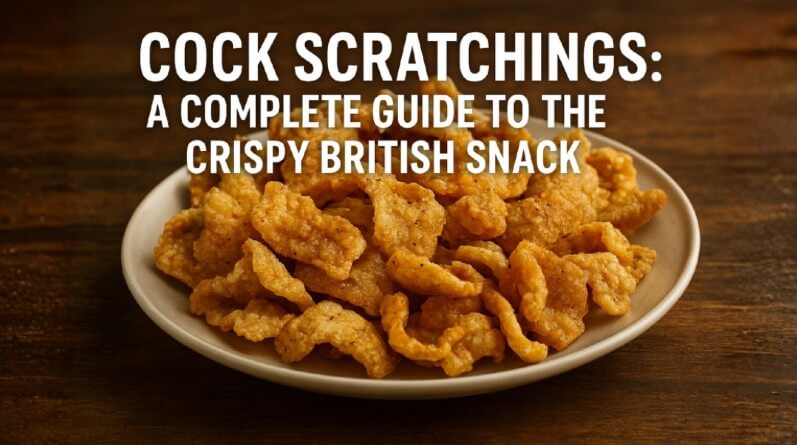
Cock scratchings — an unusual name that instantly grabs attention, a snack once considered niche and pub-exclusive, now gradually re-emerging as a trendy treat among food lovers in the UK. Crispy, savoury, golden, and deeply satisfying, cock scratchings are essentially bits of seasoned chicken skin fried until crisp. They share similarities with pork scratchings, cracklings and fried chicken skins, but possess their own unique charm, flavour profile and cultural identity.
Table of Contents
ToggleWhat Are Cock Scratchings?
Cock scratchings refer to crunchy pieces of fried chicken skin, usually taken from a rooster or hen. They are lightly salted or seasoned and fried until crisp, creating a snack that is savoury, crunchy and rich in flavour. Some compare them to pork crackling, but chicken scratchings offer a lighter taste and a slightly softer fat profile when cooked properly. Their texture varies between crackly, airy crunch and deep golden crisp depending on the cooking technique used.
In the past, households often made scratchings as a by-product of poultry preparation. When chickens were butchered, the skin was peeled, salted and fried rather than wasted. This made scratchings originally a frugal snack developed out of necessity — a classic example of nose-to-tail cooking.
The Origins and Cultural Background
While pork scratchings have long been associated with British pubs and working-class snacks, cock scratchings are relatively less common but not new. Poultry raising was widespread in the UK countryside for centuries, and villagers would typically fry leftover skins to produce a quick energy-rich bite. In rural farmhouses, nothing from a bird was wasted — feet were boiled for broth, bones for stock, and skin was crisped into scratchings.
The modern era has brought them back into the culinary spotlight. Gastro pubs, chefs and home cooks are rediscovering the snack for its rustic authenticity and intense flavour. As consumers seek traditional foods, real ingredients and heritage-style dishes, cock scratchings are enjoying renewed acknowledgment.
Why The Name Sounds Unusual
The name makes people pause — often followed by a chuckle. In British food culture, humorous product naming isn’t rare. Pork scratchings, scotch eggs, spotted dick and bubble & squeak all carry a playful tone. Cock scratchings follow the same tradition. Despite its cheeky title, the snack is perfectly innocent and simply refers to rooster or chicken scratchings.
The unusual name itself plays an important role in marketing. Food businesses using catchy product labels tend to create strong memory retention and social buzz, especially online.
How Cock Scratchings Taste
The flavour of cock scratchings is an appealing mixture of:
-
crispiness like fried crisps
-
savoury chicken aroma
-
rich umami meat depth
-
salty, satisfying bite
-
light fatty undertone without being greasy when done right
When seasoned with pepper, herbs or spices, they elevate further into a gourmet-style snack. Some chefs dust them with smoked paprika, peri-peri seasoning, garlic powder or rosemary salt to enhance aroma and depth.
Cock scratchings pair well with cold lager, cider or even sparkling water for those who enjoy pub snacks without alcohol. Their crunch also makes them an excellent topping on soups, ramen bowls, salads and rice dishes.
Types of Cock Scratchings
Though not commercially standardised like pork scratchings, varieties exist based on texture and preparation:
Light-Crispy Scratchings
Thin skin fried at high temperature for a delicate crackle. Ideal for topping ramen or salads.
Chunky Scratchings
Skin with a bit of fat attached, double-fried for extra crunch. More filling and closer to pork crackling experience.
Seasoned Gourmet Scratchings
Flavoured combinations such as salt & pepper, chilli lime, herb garlic or smoky BBQ.
Oven-Baked Scratchings
Lesser oil usage, healthier alternative. Crisp achieved slowly with controlled heat.
How to Make Cock Scratchings at Home
Making cock scratchings doesn’t need an expert kitchen. With a few simple ingredients, you can prepare restaurant-quality crispy skins at home.
Ingredients
-
chicken skin (from thighs, wings or whole chicken)
-
sea salt (to draw moisture)
-
black pepper or preferred seasoning
-
small quantity of vegetable oil or chicken fat
Method
-
Clean the skin and remove feather particles if present.
-
Pat completely dry with kitchen towel — dryness equals crispiness.
-
Salt lightly and leave for 20 minutes to extract moisture.
-
Heat oil in a pan on medium flame.
-
Add skins carefully, allowing them to render fat slowly.
-
Increase heat once most fat melts to crisp the surface.
-
Fry until golden brown, then place on paper to drain.
-
Sprinkle seasoning while hot for better flavour adhesion.
Double frying method produces extra crisp scratchings. The first fry renders fat, the second creates crunch. Oven preparation involves slow baking at around 160°C to dehydrate fat without deep frying.
Nutritional Perspective — Are They Healthy?
Cock scratchings are high in protein and fat, particularly skin-derived lipids. They should be enjoyed in moderation, much like crisps or crackling. A balanced health perspective includes:
Benefits
-
provides quick energy
-
contains collagen which supports skin and joints
-
rich umami flavour reduces overeating of larger portions
-
keto-friendly snack for low-carb diets
Considerations
-
high fat content means portion control is wise
-
excessive salt may raise sodium intake
-
deep-fried food is not suitable for daily consumption
As an occasional treat, they are perfectly fine. Homemade versions allow better control over oil type, seasoning and quality.
Why Cock Scratchings Are Growing in Demand Again
Food trends often shift. For many years, low-fat diets caused consumers to move away from skin-based foods. But with modern interest in natural fat sources, bone broth, collagen and traditional cooking methods, cock scratchings are making a comeback.
Several drivers support this revival:
-
The popularity of nose-to-tail and zero-waste cooking.
-
Growing gastro-pub culture emphasising rustic snack plates.
-
Keto and high-protein diet movements.
-
Social media curiosity due to the funny name.
-
People seeking unique flavours beyond standard crisps.
A snack with both novelty value and authentic taste naturally draws attention.
Modern Uses in Cooking
Beyond a snack bowl, cock scratchings have become a versatile culinary ingredient. Creative uses include:
-
crushed as crispy toppings for soups or ramen
-
sprinkled on mashed potatoes
-
mixed in roasted vegetable bowls
-
added inside burgers for crunchy texture
-
coated with honey chilli glaze for sweet-spicy twists
-
served beside wings as double-chicken combo
Professional chefs sometimes blend scratchings into breadcrumb coatings to enhance savoury depth.
Commercial Opportunities — Can Cock Scratchings Be Sold?
Entrepreneurs exploring food products might find cock scratchings an interesting niche. Artisan snacks are increasingly popular, especially when sustainably sourced. Packaging ideas include:
-
resealable pouches for snacking
-
spice-collection gift boxes
-
pub serving jars with brand label
-
restaurant ramen toppings
-
farmers’ market homemade snack stalls
The name alone attracts curiosity, and with good branding, this product could stand out in the shelf of British bar snacks.
Shelf Life and Storage
Cock scratchings store well if kept away from moisture. After frying:
-
Cool fully to avoid steam trapped inside packing.
-
Store in airtight jars or food-grade pouches.
-
Add a silica moisture absorber for commercial storage.
-
Keep away from direct sunlight for flavour preservation.
Homemade scratchings stay crisp for 2–3 days. Commercially dehydrated versions last longer.
Variations Across Regions
Although mostly associated with the UK, similar snacks appear worldwide:
-
Filipino chicharrón manok (fried chicken skin)
-
American chicken cracklings from Southern cooking
-
Thai crispy chicken sticks
-
Mexican fried skin snacks
Cock scratchings fit naturally into this global tradition of using every part of an animal.
Is It Better Than Pork Scratchings?
This depends on preference. Pork scratchings are crunchier and denser. Cock scratchings feel lighter, often less greasy, and carry the distinct aroma of chicken. For people who avoid pork, cock scratchings offer a suitable alternative without sacrificing crunch satisfaction.
Serving Suggestions
To elevate presentation:
-
Serve in small rustic metal bowls like pub snacks.
-
Add lemon wedges for freshness.
-
Offer dipping sauces such as garlic mayo or sriracha.
-
Pair with cold beer or cider for classic pub feel.
-
Use as garnish on Sunday roast sides for surprise crunch.
Small details turn a simple snack into culinary delight.
Conclusion
Cock scratchings are more than just fried chicken skin. They represent a connection to traditional British cooking, resourceful kitchen culture, and evolving modern trends. Their flavour is bold yet nostalgic, and their potential in home kitchens or commercial food creativity is vast. Whether enjoyed with drinks at home, used as a topping on gourmet dishes, or produced as a small-batch artisanal snack, cock scratchings deserve recognition. They satisfy cravings, spark conversation, and add crunch to meals in ways ordinary crisps never could. As interest returns towards heritage snacks and authentic ingredients, cock scratchings stand ready to become a staple in the world of British bar bites once again.