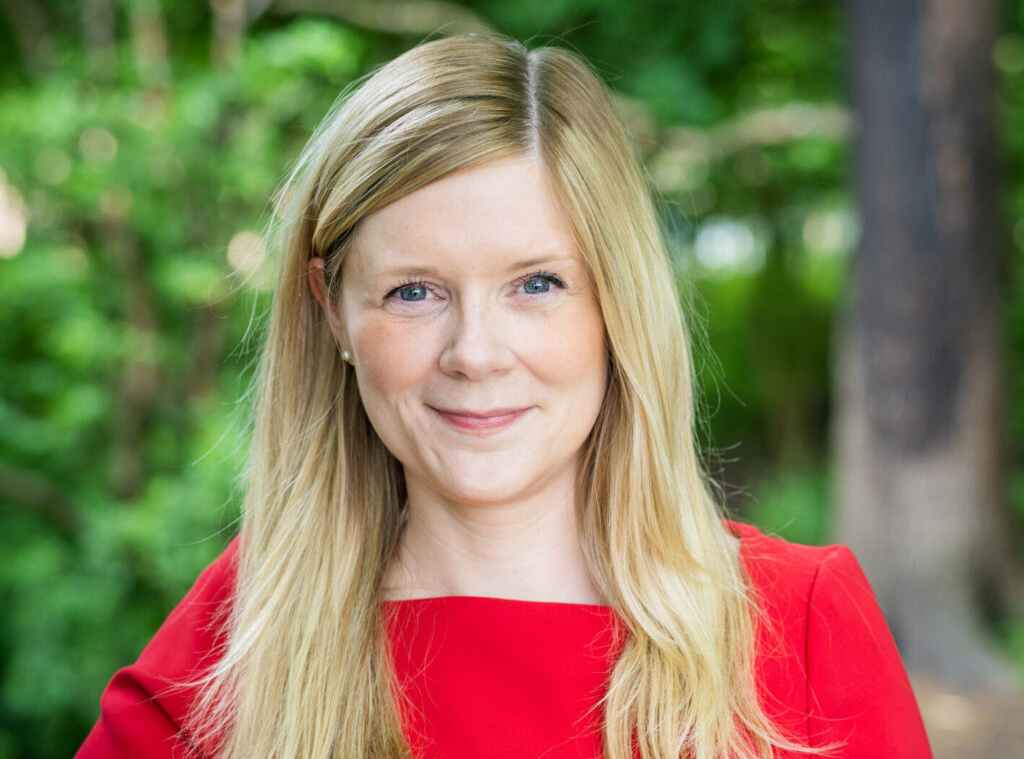
In recent years, British politics has seen the emergence of several new figures who bring fresh perspectives, strong community engagement, and a commitment to public service. One such figure gaining increasing attention is Claire Hazelgrove. Known for her dedication to policy development, grassroots campaigning, and democratic participation, she represents a modern generation of political leaders working to address contemporary challenges.
Claire Hazelgrove has built a career that blends activism, policy expertise, and political representation. From early involvement in political campaigns to becoming a Member of Parliament, her journey reflects persistence, civic commitment, and a belief in inclusive governance. Her work focuses on issues such as housing, economic fairness, public services, and climate action, which continue to shape political debate across the United Kingdom.
Early Life and Background
Claire Hazelgrove was born in the United Kingdom and grew up in an environment where public service and community engagement were valued. Her upbringing played an important role in shaping her worldview and encouraging her interest in politics from an early age.
Growing up, she witnessed how political decisions affected everyday life, from education and healthcare to housing and employment opportunities. These experiences influenced her understanding of public policy and motivated her to pursue a career where she could contribute to meaningful change.
During her school years, she developed a strong interest in debate, public affairs, and civic responsibility. Teachers and mentors recognised her ability to analyse complex issues and articulate ideas clearly. This intellectual curiosity eventually led her toward formal studies in politics and governance.
Education and Academic Development
Education played a significant role in shaping Claire Hazelgrove’s understanding of policy and governance. She pursued higher education in politics, gaining a solid academic foundation that later supported her career in political advocacy and policymaking.
University Studies
She studied politics at the University of York, an institution known for its strong social sciences programmes. During her time there, she explored subjects such as political theory, governance structures, public administration, and international relations.
Her university years were not limited to academic study alone. She actively participated in political discussions, student activities, and campaign initiatives that gave her practical exposure to the political world.
Postgraduate Education
Later in her academic journey, she continued her studies by completing a master’s degree in public policy at the University of Bath. This postgraduate programme allowed her to develop deeper expertise in policy analysis, research methods, and evidence-based decision making.
Through this training, she gained valuable insight into how governments develop and implement policy, as well as the challenges involved in balancing economic growth with social responsibility.
Early Political Engagement
The political journey of Claire Hazelgrove began long before she entered Parliament. From a young age, she became involved in campaigning and grassroots political activity.
One of her earliest political experiences involved standing as a candidate in a parliamentary election at a relatively young age. Although she did not win the seat, the experience provided valuable insight into the electoral process, public engagement, and the realities of political campaigning.
Participating in elections and campaigns gave her the opportunity to connect with voters, listen to community concerns, and understand the everyday challenges people face. These experiences shaped her approach to politics, emphasising accessibility and dialogue with constituents.
Career in Campaigning and Policy Work
Before becoming a Member of Parliament, Claire Hazelgrove spent many years working in the field of campaigning and policy advocacy. Her work covered a range of areas including environmental protection, social justice, and community participation in democratic processes.
During this period, she collaborated with charities, advocacy organisations, and policy groups that aimed to influence public policy and improve social outcomes.
Her responsibilities often included designing campaigns, coordinating community initiatives, and helping organisations communicate their goals to policymakers. These experiences strengthened her understanding of how policy decisions are formed and how public pressure can influence political change.
Focus on Democratic Participation
One notable aspect of her work involved strengthening democratic engagement. She helped support projects designed to give citizens a greater voice in political decision making.
These initiatives often involved community consultations, public forums, and deliberative assemblies where residents could discuss important issues and provide recommendations for policymakers.
By encouraging public participation, she helped promote a more inclusive approach to governance where communities could play a meaningful role in shaping policies that affect their lives.
Commitment to Environmental and Social Issues
Environmental protection has been another key area of focus throughout Claire Hazelgrove’s career. Climate change, sustainability, and environmental resilience are issues that have increasingly influenced political debate across the United Kingdom.
Through her campaign work and policy involvement, she contributed to projects aimed at raising awareness of climate challenges and encouraging stronger environmental action.
Her work often highlighted the connection between environmental protection and economic development. Sustainable policies, she argued, can support job creation, innovation, and long-term prosperity.
In addition to environmental issues, she has supported initiatives aimed at reducing inequality and improving living standards for communities across the country.
Election to Parliament
A significant milestone in the career of Claire Hazelgrove came when she was elected as the Member of Parliament for the constituency of Filton and Bradley Stoke.
This constituency, located in South Gloucestershire near Bristol, represents a diverse community including residential neighbourhoods, technology industries, and educational institutions.
Winning the parliamentary seat marked an important achievement in her political journey. It demonstrated the trust voters placed in her leadership and her commitment to representing their interests in the House of Commons.
The election also reflected broader political changes taking place across the United Kingdom, where voters increasingly looked for representatives who understood local concerns and could advocate effectively at the national level.
Role as a Member of Parliament
Since entering Parliament, Claire Hazelgrove has taken on the responsibility of representing her constituency and participating in national policy debates.
Members of Parliament play a crucial role in shaping legislation, scrutinising government policies, and raising issues that affect their constituents.
Her parliamentary work involves several key responsibilities, including attending debates in the House of Commons, participating in committee discussions, and responding to concerns raised by residents in her constituency.
Legislative Work
In Parliament, she contributes to discussions on legislation that addresses issues such as housing policy, public services, economic stability, and environmental protection.
Committee participation allows MPs to examine proposed laws in detail and suggest amendments where necessary. Through these activities, she contributes to the broader legislative process that shapes national policy.
Constituency Representation
An important part of an MP’s work takes place outside Westminster. Constituency engagement involves meeting residents, attending community events, and assisting individuals with issues related to government services.
Through these activities, Claire Hazelgrove works to ensure that local voices are heard in national decision making.
Political Priorities and Policy Interests
Like many modern politicians, Claire Hazelgrove focuses on a range of policy areas that reflect both national challenges and local needs.
Housing and Cost of Living
Housing affordability remains a major concern for many people in the United Kingdom. Rising property prices and rental costs have created pressure on families and young professionals.
Addressing housing shortages and supporting fair access to homes is therefore an important priority in her political work.
Strengthening Public Services
Public services such as healthcare, education, and transport are essential components of a functioning society. Ensuring that these services remain accessible, efficient, and well funded is another key area of focus.
Improving these systems requires long-term investment and careful policy planning.
Climate and Sustainability
Climate change continues to influence policy decisions around energy, infrastructure, and environmental protection.
Sustainable development policies are increasingly viewed as essential for balancing economic growth with environmental responsibility.
By supporting initiatives aimed at reducing emissions and promoting clean energy, she contributes to discussions about the country’s environmental future.
Leadership Style and Public Engagement
The political style of Claire Hazelgrove emphasises communication, collaboration, and responsiveness.
Modern politics requires leaders who are willing to engage directly with the public and listen to a wide range of perspectives. Community meetings, local events, and digital communication platforms allow politicians to stay connected with the people they represent.
Through these channels, she seeks to maintain an open dialogue with constituents and encourage public participation in democratic processes.
The Future of Her Political Career
The future trajectory of Claire Hazelgrove will likely depend on her continued work in Parliament, her engagement with constituents, and her ability to influence national policy debates.
British politics continues to evolve in response to economic changes, environmental concerns, and social priorities. Politicians who can balance these complex issues while maintaining public trust are likely to play an important role in shaping the country’s direction.
Her combination of policy expertise, campaigning experience, and community engagement positions her as a figure to watch in the years ahead.
FAQs
Who is Claire Hazelgrove?
Claire Hazelgrove is a British Labour politician who serves as a Member of Parliament representing the constituency of Filton and Bradley Stoke in the United Kingdom.
What is Claire Hazelgrove known for?
Claire Hazelgrove is known for her work in political campaigning, public policy advocacy, and her role in Parliament representing her constituency.
Where did Claire Hazelgrove study?
Claire Hazelgrove studied politics at the University of York and later completed a master’s degree in public policy at the University of Bath.
What issues does Claire Hazelgrove focus on?
Her political work focuses on areas such as housing affordability, strengthening public services, environmental sustainability, and improving democratic participation.
When was Claire Hazelgrove elected to Parliament?
Claire Hazelgrove was elected to the House of Commons in the 2024 United Kingdom general election.
Conclusion
Claire Hazelgrove represents a new generation of political leaders who combine policy knowledge with grassroots engagement. Her journey from early political activism to becoming a Member of Parliament reflects dedication, resilience, and a strong commitment to public service.
Through her work in campaigning, policymaking, and parliamentary representation, she continues to contribute to discussions about the future of the United Kingdom. As political challenges evolve and new issues emerge, figures like Claire Hazelgrove play an important role in shaping solutions that reflect both local concerns and national priorities.