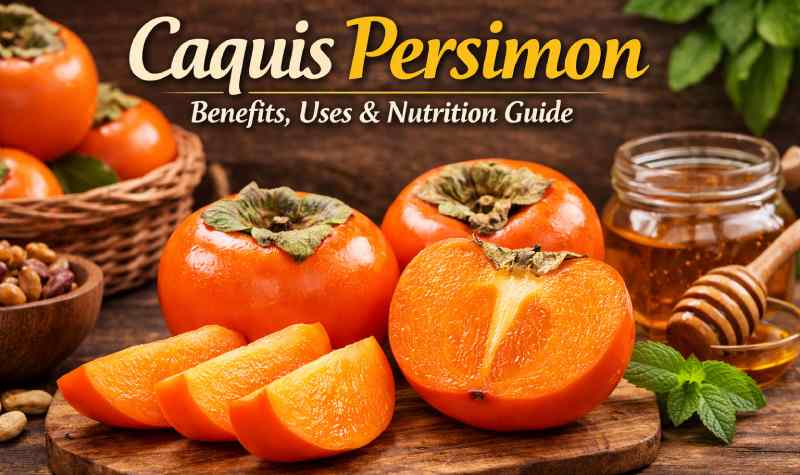
Among the wide variety of fruits enjoyed across the world, few have captured attention in recent years quite like Caquis Persimon. Known for its vibrant colour, delicate sweetness, and convenient texture, this fruit has gradually become a favourite not only in Europe but also in global markets.
What sets it apart is not merely its flavour but the innovation behind its production. Unlike traditional persimmons that require careful ripening, this particular variety offers a ready-to-eat experience without compromising on taste or quality. As consumers increasingly seek healthy and convenient food options, this fruit stands out as both nutritious and versatile.
What Are Caquis Persimon?
At its core, Caquis Persimon refers to a refined version of the persimmon fruit, developed primarily in Spain. It originates from the species Diospyros kaki, a fruit tree that has been cultivated for centuries across East Asia.
However, the Spanish adaptation introduced a significant improvement. Through a specialised process, growers remove the fruit’s natural astringency while preserving its firmness. This transformation allows it to be eaten while still crisp, much like an apple, rather than waiting for it to become overly soft.
Key Characteristics
- Bright orange to deep reddish skin
- Smooth, glossy surface
- Firm yet juicy flesh
- Naturally sweet flavour without bitterness
These qualities make it particularly appealing to modern consumers who prefer convenience without sacrificing taste.
The Origins and Development
Historical Background
Persimmons have a long and rich history, especially in countries such as China, Japan, and Korea. For centuries, they were valued not only for their flavour but also for their medicinal properties.
The introduction of this improved variety in Spain marked a turning point. Farmers in the Valencia region began cultivating a specific type known as “Rojo Brillante,” which would later become the foundation of Caquis Persimon.
Innovation in Spain
What truly distinguishes this fruit is the post-harvest treatment. By exposing the fruit to controlled carbon dioxide environments, producers are able to eliminate tannins—the compounds responsible for bitterness—without altering the fruit’s structure.
This innovation allowed Spanish growers to create a product that combines the best of both worlds: sweetness and firmness.
How It Differs from Traditional Persimmons
Understanding the difference between standard persimmons and Caquis Persimon is essential for appreciating its popularity.
Texture and Ripeness
Traditional varieties must be fully ripe and soft before consumption. If eaten too early, they can be unpleasantly bitter. In contrast, this Spanish variety can be enjoyed while still firm, offering a satisfying bite.
Taste Profile
While both types are sweet, the refined version has a more consistent flavour. The absence of astringency ensures that every bite is enjoyable, regardless of ripeness.
Convenience
Perhaps the most significant advantage is ease of use. There is no need to monitor ripening closely, making it ideal for busy lifestyles.
Cultivation and Growing Conditions
Climate Requirements
This fruit thrives in warm, Mediterranean climates. Regions with mild winters and hot summers provide the perfect environment for optimal growth.
Soil and Care
- Well-drained soil is essential
- Moderate watering supports healthy development
- Adequate sunlight enhances sweetness and colour
Farmers must carefully manage each stage of cultivation to ensure the fruit reaches its full potential.
Harvesting Process
Harvesting typically takes place in autumn when the fruit reaches its peak colour and size. After picking, it undergoes the specialised treatment that defines Caquis Persimon.
Nutritional Value and Health Benefits
One of the reasons for the growing popularity of this fruit is its impressive nutritional profile.
Rich in Vitamins
It contains high levels of vitamins A and C, both of which are essential for maintaining a healthy immune system and supporting vision.
High Fibre Content
Dietary fibre plays a crucial role in digestion. Regular consumption can help maintain gut health and promote a feeling of fullness.
Antioxidant Properties
The fruit is packed with antioxidants, which help combat oxidative stress and may reduce the risk of chronic diseases.
Low in Calories
Despite its natural sweetness, it remains relatively low in calories, making it suitable for those managing their weight.
Culinary Uses and Versatility
The versatility of Caquis Persimon makes it a valuable addition to many dishes.
Fresh Consumption
The simplest way to enjoy it is fresh. Its firm texture allows it to be sliced easily, making it perfect for quick snacks.
Salads
Adding slices to salads introduces a subtle sweetness that complements both leafy greens and savoury ingredients.
Desserts
It can be used in a variety of desserts, from tarts to puddings. Its natural sweetness often reduces the need for added sugar.
Smoothies and Beverages
Blending it into smoothies creates a rich and refreshing drink, ideal for breakfast or post-workout nutrition.
Storage and Handling
Proper storage is essential to maintain quality and freshness.
At Room Temperature
If slightly unripe, it can be kept at room temperature until it reaches the desired firmness.
Refrigeration
Once ready to eat, storing it in the refrigerator helps extend its shelf life.
Handling Tips
- Avoid bruising the skin
- Store separately from heavy fruits
- Consume within a few days for best flavour
Economic Importance and Global Demand
Growth in International Markets
The demand for Caquis Persimon has grown significantly in recent years. Its unique qualities have made it a sought-after product in many countries.
Export Value
Spain remains one of the leading exporters, supplying high-quality fruit to Europe and beyond. This has contributed to the agricultural economy and strengthened the country’s position in global markets.
Consumer Trends
Modern consumers are increasingly drawn to foods that are both healthy and convenient. This fruit aligns perfectly with these preferences, ensuring continued demand.
Seasonal Availability
Typically available during the autumn months, this fruit has a relatively short season. However, advancements in storage and distribution have made it accessible for longer periods in many regions.
Understanding its seasonality can help consumers enjoy it at its peak quality.
Tips for Choosing the Best Fruit
Selecting the right fruit ensures the best eating experience.
What to Look For
- Bright, even colour
- Smooth skin without blemishes
- Firm but slightly yielding texture
What to Avoid
- Soft spots or bruises
- Dull or uneven colouring
- Signs of over-ripeness
Environmental Considerations
Sustainable Farming
Many producers are adopting sustainable practices to minimise environmental impact. These include efficient water usage and reduced reliance on chemical inputs.
Reduced Food Waste
Because it can be consumed while firm, Caquis Persimon reduces the likelihood of spoilage compared to traditional varieties.
Cultural Significance
Although originally rooted in Asian traditions, this fruit has found a new identity in Spain. It represents a blend of heritage and innovation, reflecting the evolving nature of agriculture and food culture.
FAQs
What makes Caquis Persimon different from regular persimmons?
It is treated to remove bitterness while remaining firm, making it easier to eat and more convenient.
Can you eat Caquis Persimon without peeling it?
Yes, the skin is edible and adds a slight texture to the fruit.
Is Caquis Persimon good for weight loss?
Its low calorie content and high fibre make it a healthy option for those managing their diet.
How should Caquis Persimon be stored?
Keep it at room temperature if unripe, and refrigerate once it is ready to eat.
When is Caquis Persimon in season?
It is typically available during autumn, although availability may vary depending on location.
Conclusion
Caquis Persimon has successfully transformed the way people experience persimmons. By combining traditional cultivation with modern techniques, it offers a fruit that is both delicious and convenient.
Its growing popularity is no surprise. With its appealing taste, impressive nutritional benefits, and versatility in the kitchen, it has earned a place in contemporary diets around the world.