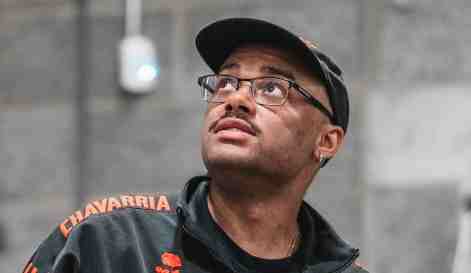
Anthony Simpson-Pike has emerged as one of the most compelling voices in contemporary British theatre. Known for his thoughtful direction, commitment to new writing, and deep engagement with global narratives, Anthony Simpson-Pike represents a new generation of theatre-makers redefining what modern theatre can achieve.
In an era where storytelling must compete with digital media and shifting audience expectations, Anthony Simpson-Pike has carved out a distinctive path—one rooted in authenticity, collaboration, and bold artistic choices. His work not only entertains but challenges, provokes, and invites audiences to reflect on the world around them.
Early Life and Passion for Theatre
Discovering the Stage
Anthony Simpson-Pike’s journey into theatre began with a deep curiosity about storytelling and performance. From an early age, he demonstrated an interest in narratives that explored human behaviour, identity, and social dynamics. Unlike many who enter theatre through acting, Anthony Simpson-Pike gravitated towards directing and dramaturgy—roles that allowed him to shape the bigger picture.
Training and Development
His formal training played a crucial role in refining his craft. He was associated with prestigious programmes such as the National Youth Theatre and the Young Vic Directors Programme. These platforms are known for nurturing some of the UK’s most promising theatre practitioners, and for Anthony Simpson-Pike, they provided a strong foundation in both classical and contemporary theatre-making.
During this period, he developed a keen understanding of:
- Text analysis
- Actor collaboration
- Visual storytelling
- Audience engagement
This early training laid the groundwork for a career that would later span major theatres and influential productions.
Building a Career in British Theatre
Early Professional Work
Anthony Simpson-Pike began his professional journey working across various theatres in London, gaining experience in directing, assistant directing, and dramaturgy. His early work reflected a strong interest in new writing and socially relevant themes.
He quickly became known for his ability to bring fresh perspectives to complex material. Rather than simply staging plays, Anthony Simpson-Pike approached each project as an opportunity to interrogate ideas and explore new forms of expression.
Breakthrough Opportunities
His career gained momentum through key roles at leading theatre institutions. He worked with venues such as:
- The Royal Court Theatre
- The Young Vic
- Shakespeare’s Globe
These institutions are renowned for their commitment to artistic excellence, and Anthony Simpson-Pike’s involvement signalled his growing reputation within the industry.
He also held significant positions at:
- The Yard Theatre (Deputy Artistic Director)
- The Gate Theatre (Associate Director)
These roles allowed him to influence programming, mentor emerging artists, and develop innovative productions.
Directing Style and Artistic Vision
A Commitment to New Writing
One of the defining features of Anthony Simpson-Pike’s career is his dedication to new writing. He believes that theatre should reflect contemporary realities and give voice to underrepresented perspectives.
His work often centres on:
- Emerging playwrights
- Unheard stories
- Experimental narratives
By championing new writing, Anthony Simpson-Pike contributes to the evolution of British theatre, ensuring it remains dynamic and relevant.
Social and Political Engagement
Anthony Simpson-Pike’s productions frequently engage with pressing social and political issues. Rather than presenting these themes in a didactic manner, he integrates them organically into storytelling.
Common themes in his work include:
- Identity and belonging
- Conflict and resilience
- Power structures and inequality
- Cultural intersections
His ability to balance intellectual depth with emotional resonance makes his productions both thought-provoking and accessible.
Visual and Performative Approach
Visually, Anthony Simpson-Pike’s productions are often striking yet purposeful. He avoids unnecessary spectacle, focusing instead on elements that enhance the narrative.
Key characteristics of his style include:
- Minimalist yet evocative staging
- Strong ensemble performances
- Innovative use of space
- Attention to rhythm and pacing
This approach allows audiences to connect deeply with the material without distraction.
Notable Productions and Contributions
Theatre Highlights
Anthony Simpson-Pike has directed a range of acclaimed productions across prominent venues. His work includes plays that have pushed boundaries and sparked meaningful conversations.
Among his notable directing credits are:
- The P Word
- Lava
- An Octoroon
- Living Newspaper
- The Ridiculous Darkness
Each of these productions showcases his versatility and willingness to tackle challenging material.
Documentary and Social Theatre
In addition to traditional theatre, Anthony Simpson-Pike has explored documentary-style projects. One significant example is Grenfell: In the Words of Survivors, which highlights real-life experiences and amplifies voices that might otherwise go unheard.
This work reflects his belief in theatre as a tool for:
- Social awareness
- Community engagement
- Collective reflection
Leadership at Theatre503
Taking on Artistic Direction
Anthony Simpson-Pike’s appointment as Artistic Director and Co-CEO of Theatre503 marked a major milestone in his career. Theatre503 is known for its commitment to debut playwrights and innovative productions, making it an ideal platform for his vision.
Strategic Vision
Under his leadership, Theatre503 has embraced:
- International storytelling
- Diverse voices
- Bold, experimental work
Anthony Simpson-Pike aims to create a theatre that not only entertains but also challenges audiences to think critically about global issues.
Supporting Emerging Talent
A key aspect of his leadership is nurturing new talent. He actively supports:
- First-time playwrights
- Early-career directors
- Diverse creative voices
By doing so, Anthony Simpson-Pike ensures the future of theatre remains vibrant and inclusive.
The Importance of Dramaturgy
Shaping Stories Behind the Scenes
As a dramaturg, Anthony Simpson-Pike plays a vital role in developing scripts and shaping narratives. This aspect of his work is often less visible but equally important.
Dramaturgy involves:
- Refining structure and pacing
- Enhancing thematic clarity
- Collaborating with writers
Anthony Simpson-Pike’s expertise in this area allows him to elevate productions from good to exceptional.
Collaboration with Playwrights
He is known for his collaborative approach, working closely with playwrights to realise their vision while also challenging them to push boundaries.
This partnership results in:
- Stronger scripts
- More cohesive productions
- Greater artistic innovation
Influence on Contemporary Theatre
Redefining Audience Engagement
Anthony Simpson-Pike understands that modern audiences seek more than passive entertainment. His work often invites active engagement, encouraging viewers to reflect and respond.
He achieves this through:
- Immersive storytelling
- Relatable themes
- Emotional authenticity
Expanding the Scope of Theatre
By incorporating global perspectives and contemporary issues, Anthony Simpson-Pike expands the scope of what theatre can address.
His productions often resonate beyond the stage, contributing to wider cultural conversations.
Challenges and Achievements
Navigating a Changing Industry
The theatre industry faces numerous challenges, including funding constraints and evolving audience habits. Anthony Simpson-Pike has navigated these challenges by embracing innovation and adaptability.
Recognition and Awards
His work has been recognised through nominations and industry accolades, including being a finalist for the JMK Award. Such recognition highlights his impact and potential as a leading figure in theatre.
Personal Philosophy and Approach
Theatre as a Reflection of Society
Anthony Simpson-Pike views theatre as a mirror of society—a space where stories can be explored, questioned, and reimagined.
He believes that theatre should:
- Reflect real-world complexities
- Inspire empathy
- Encourage dialogue
Commitment to Authenticity
Authenticity lies at the heart of his work. Whether directing a new play or leading an organisation, Anthony Simpson-Pike prioritises honesty and integrity in storytelling.
Future Prospects
Continuing Innovation
As his career progresses, Anthony Simpson-Pike is expected to continue pushing boundaries and exploring new forms of theatre.
Expanding Global Reach
With a growing focus on international narratives, he is likely to further expand his influence beyond the UK, bringing diverse stories to wider audiences.
Frequently Asked Questions (FAQs)
Who is Anthony Simpson-Pike?
Anthony Simpson-Pike is a British theatre director, dramaturg, and artistic leader known for his work in contemporary theatre and new writing.
What is Anthony Simpson-Pike known for?
He is known for directing innovative productions, supporting emerging playwrights, and addressing social and political themes through theatre.
What role does Anthony Simpson-Pike hold at Theatre503?
Anthony Simpson-Pike serves as the Artistic Director and Co-CEO of Theatre503.
What type of theatre does Anthony Simpson-Pike create?
His work often focuses on new writing, socially engaged narratives, and global perspectives.
Why is Anthony Simpson-Pike important in modern theatre?
He plays a key role in shaping contemporary theatre by promoting diverse voices and creating thought-provoking productions.
Conclusion
Anthony Simpson-Pike stands as a significant figure in modern British theatre, blending artistic vision with a deep commitment to storytelling and social engagement. His work reflects a belief in theatre as a powerful medium for change—one that can challenge perspectives, foster empathy, and inspire dialogue.
Through his directing, dramaturgy, and leadership, Anthony Simpson-Pike continues to shape the future of theatre, ensuring it remains relevant, inclusive, and impactful. As audiences and artists alike look towards the next chapter of theatrical innovation, his influence is certain to grow, leaving a lasting mark on the cultural landscape.