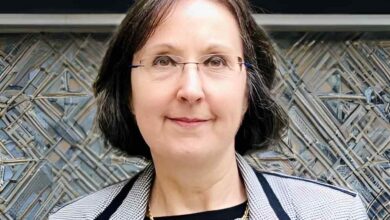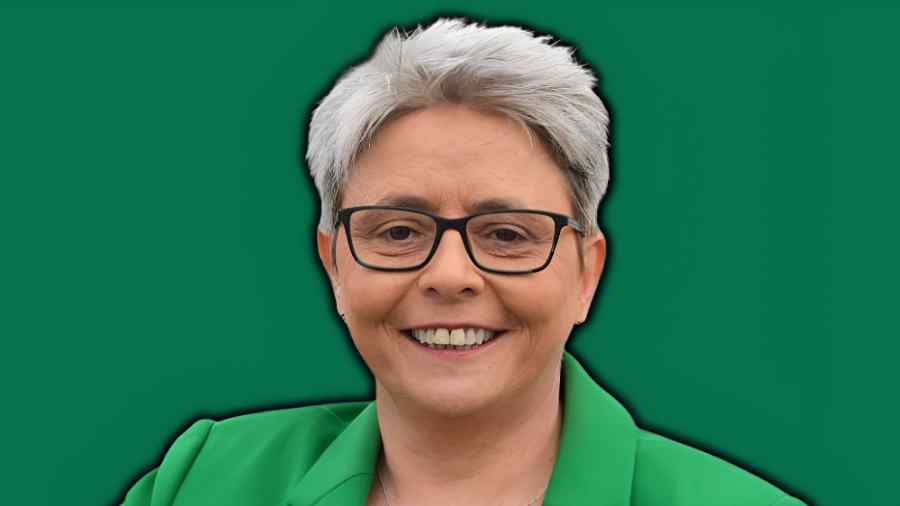
Annie Wells MSP is a well-known figure in Scottish politics, recognised for her outspoken approach, strong constituency focus, and sustained work on public health, women’s health, and social issues. Since entering the Scottish Parliament, she has developed a reputation as a determined and resilient politician who is willing to challenge established narratives while representing the concerns of ordinary people. Her journey from community engagement to national politics reflects broader themes in modern Scottish governance, including representation, accountability, and policy reform.
Early Life and Background
Annie Wells was born and raised in Glasgow, a city that has played a central role in shaping her political identity and outlook. Growing up in an urban environment exposed her to the realities of social inequality, public services, and community cohesion at an early age. These formative experiences helped cultivate her interest in politics and public service.
Before entering political life, she worked in the retail sector, gaining first-hand experience of frontline employment, management responsibilities, and the challenges faced by workers and families. This professional background has often informed her parliamentary contributions, particularly when addressing issues related to employment, living standards, and economic opportunity.
Her involvement in politics deepened during the Scottish independence referendum period, a time of intense public debate and civic engagement across Scotland. Like many individuals during that era, she transitioned from political interest to active participation, motivated by a desire to influence the future direction of the country.
Entry into Scottish Politics
Annie Wells entered the Scottish Parliament in 2016 as a regional Member of the Scottish Parliament for the Glasgow region. This marked a significant milestone, not only for her personally but also within the broader political landscape of the city, which has traditionally been dominated by other political forces.
Her election reflected a growing appetite among certain voters for alternative perspectives and greater political diversity. As a regional MSP, she took on the responsibility of representing a wide and varied electorate, balancing urban issues, economic challenges, and social policy concerns.
From the outset, she focused on visibility and accessibility, making a point of engaging with constituents, community organisations, and local stakeholders. This approach helped establish her presence as an active and approachable representative.
Parliamentary Responsibilities and Committee Work
Within the Scottish Parliament, Annie Wells MSP has contributed across a range of policy areas. Her parliamentary work includes participation in debates, submission of parliamentary questions, and involvement in committees and cross-party groups.
She has been particularly active in areas related to health policy, social welfare, and public safety. Her committee work has allowed her to scrutinise legislation, hold ministers to account, and contribute to policy development from an opposition perspective.
Cross-party groups have also formed an important part of her parliamentary role. Through these groups, she has engaged with colleagues from across the political spectrum on specific issues such as long-term health conditions, mental health, and community wellbeing. This collaborative dimension of her work highlights her willingness to engage constructively beyond party lines when addressing shared challenges.
Focus on Public Health and Social Issues
One of the defining features of Annie Wells MSP’s political career has been her sustained focus on public health. She has frequently spoken on issues such as drug and alcohol misuse, mental health services, and access to healthcare.
Her approach to these topics often combines policy critique with personal testimony and constituency experiences. By grounding her arguments in real-world examples, she has aimed to highlight gaps between policy intentions and lived realities.
Women’s health has been another prominent area of her advocacy. She has raised awareness of conditions that disproportionately affect women and has called for improved research, diagnosis, and treatment pathways. In doing so, she has contributed to a wider national conversation about health equality and service provision.
Leadership Roles and Party Responsibilities
Beyond her role as an MSP, Annie Wells has also held leadership responsibilities within her party. At one point, she served in a senior leadership position, reflecting the confidence placed in her by colleagues and party members.
In these roles, she contributed to shaping party strategy, messaging, and policy priorities during a period of significant political change in Scotland. Leadership responsibilities brought increased visibility and scrutiny, requiring a balance between party loyalty and personal conviction.
Her leadership experience has further developed her skills in negotiation, public communication, and strategic planning, all of which continue to inform her parliamentary work.
Representation of the Glasgow Region
Representing the Glasgow region presents unique challenges and opportunities. The area encompasses diverse communities, varying economic circumstances, and a wide range of social needs. Annie Wells MSP has sought to address this complexity through constituency casework, local campaigning, and regular engagement with residents.
Her work often involves supporting individuals navigating public services, raising local issues at a national level, and advocating for improvements in infrastructure, health provision, and community safety. By maintaining a strong local presence, she reinforces the link between parliamentary decision-making and everyday life.
This regional focus has also shaped her broader policy positions, as Glasgow’s experiences with poverty, health inequalities, and regeneration frequently inform her contributions to national debates.
Communication Style and Public Engagement
Annie Wells MSP is known for a direct and forthright communication style. In parliamentary debates and public statements, she tends to favour clarity and emphasis over ambiguity. This approach has resonated with supporters who value straightforward political discourse, while also attracting criticism from opponents.
Public engagement extends beyond the chamber. She has made use of public forums, community meetings, and media appearances to communicate her views and respond to constituent concerns. This visibility helps maintain accountability and fosters an ongoing dialogue between representative and electorate.
Her willingness to address contentious issues openly has contributed to her profile as a politician who does not shy away from difficult conversations.
Policy Impact and Influence
Measuring political impact involves more than legislative success alone. Annie Wells MSP’s influence can be seen in her ability to shape debate, raise awareness, and apply pressure for policy review. Through persistent questioning and advocacy, she has helped bring attention to issues that might otherwise receive limited scrutiny.
Her contributions to discussions on health policy, in particular, have added depth to parliamentary examination of government strategies and outcomes. By challenging assumptions and highlighting evidence, she plays a role in strengthening democratic oversight.
Even when policy change is incremental, the cumulative effect of sustained advocacy can be significant, contributing to longer-term shifts in priorities and public understanding.
Challenges and Criticism
Like all public figures, Annie Wells MSP has faced criticism and political challenges. Operating as an opposition MSP in a devolved parliament requires navigating limited formal power while seeking to influence outcomes through debate and persuasion.
Critics have sometimes questioned her policy positions or rhetorical style. Such scrutiny is an inherent part of political life and reflects the contested nature of democratic decision-making. How politicians respond to criticism often shapes public perception as much as their original positions.
Annie Wells has generally responded by reinforcing her arguments and continuing to engage actively in parliamentary processes, demonstrating resilience in the face of opposition.
Role in Contemporary Scottish Politics
In the broader context of Scottish politics, Annie Wells MSP represents a strand of political thought that emphasises accountability, alternative policy approaches, and robust debate. Her presence contributes to pluralism within the parliament, ensuring that a range of perspectives are heard.
As Scottish politics continues to evolve, issues such as public health reform, social care, and economic resilience remain central. Politicians with experience across these domains are likely to play an ongoing role in shaping discussion and policy direction.
Her career to date suggests a sustained commitment to public service and a willingness to engage with complex and often sensitive policy areas.
Conclusion
Annie Wells MSP has established herself as a significant and recognisable figure in Scottish public life. From her early experiences in Glasgow to her work in the Scottish Parliament, her journey reflects dedication to representation, policy scrutiny, and public engagement. Through her focus on health, social issues, and constituency advocacy, she continues to contribute meaningfully to political debate in Scotland.
Her career illustrates the importance of diverse voices within democratic institutions and highlights how sustained effort, clear communication, and local engagement can shape a political legacy. As Scotland faces ongoing social and political challenges, figures like Annie Wells MSP remain integral to the functioning and evolution of its parliamentary democracy.