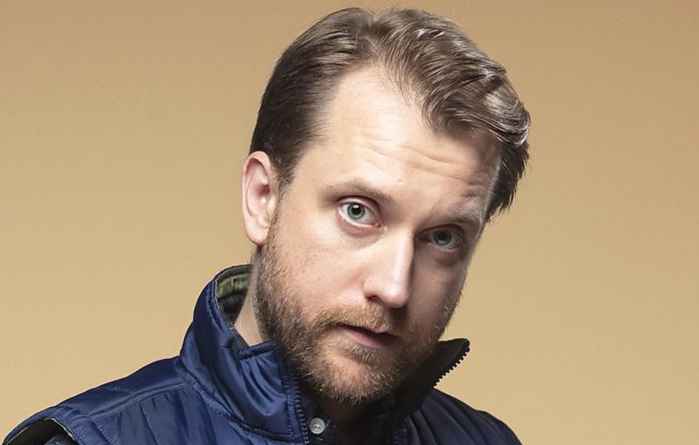
The name William Troughton has steadily gained recognition in British entertainment, particularly among audiences who appreciate strong performances in theatre and radio drama. While he may not yet have the global fame of some contemporaries, William Troughton represents a compelling blend of classical acting tradition and modern versatility. His work across stage, television, and radio highlights a dedication to craft that is both inherited and individually earned.
Early Life and Background
William Troughton was born in 1984 in the United Kingdom. From the outset, he was immersed in an environment where storytelling, performance, and artistic expression were part of everyday life. Growing up in such a household meant that acting was not just a profession—it was a deeply ingrained cultural practice.
He is the son of David Troughton, a highly respected actor known for his work in theatre, television, and radio. His grandfather, Patrick Troughton, remains an iconic figure in British television history, particularly for his portrayal of the Second Doctor in Doctor Who. This lineage placed William within a legacy that carried both opportunity and expectation.
Despite this heritage, William’s journey was not simply handed to him. Like many actors, he underwent formal training and developed his craft through practical experience. His early exposure to the arts likely nurtured his confidence and understanding of performance, but his later work reflects individual growth and dedication rather than reliance on family reputation.
Entry into Acting
William Troughton’s entry into professional acting followed a path that balanced training with hands-on experience. While specific details of his early education are not always widely publicised, it is evident from his performances that he possesses a strong grounding in classical acting techniques.
His initial roles were often in theatre, where many British actors refine their skills. The stage remains one of the most demanding mediums, requiring precision, emotional depth, and the ability to engage audiences in real time. This foundation helped William build the discipline necessary for his later work in television and radio.
Unlike actors who chase immediate fame, William Troughton appears to have embraced a gradual and steady approach to his career. This method has allowed him to develop a reputation for reliability and depth rather than fleeting popularity.
Theatre Career
A Foundation in Stage Performance
Theatre has played a central role in William Troughton’s career. His stage work demonstrates a commitment to storytelling that prioritises character development and emotional authenticity.
He has appeared in productions such as The Ladykillers, a stage adaptation of the classic British film. In this production, William contributed to a performance that blends dark humour with suspense, showcasing his ability to navigate complex tonal shifts.
Another notable production is Private Peaceful, a moving adaptation of Michael Morpurgo’s novel set during the First World War. This role required sensitivity and emotional nuance, as the story explores themes of loyalty, sacrifice, and injustice. William’s performance in such material highlights his capacity to engage with serious, thought-provoking narratives.
Versatility on Stage
In Clybourne Park, William Troughton demonstrated his range by taking on dual roles. This type of performance demands adaptability, as actors must shift between distinct characters while maintaining clarity and coherence for the audience.
Such roles are particularly challenging because they require not only technical skill but also a deep understanding of human behaviour. William’s ability to handle these demands reflects his maturity as an actor and his willingness to embrace complex material.
Television Work
Expanding into Screen Acting
While theatre remains a cornerstone of his career, William Troughton has also established a presence in television. His appearances in British dramas illustrate his adaptability to different formats and storytelling styles.
He has featured in series such as Inspector George Gently, a crime drama known for its character-driven narratives and historical settings. In this context, William contributed to the show’s emphasis on realism and emotional depth.
In Doctors, a long-running BBC series, he showcased his ability to perform in a fast-paced production environment. Such roles require efficiency and precision, as actors must quickly develop convincing characters within limited screen time.
Supporting Roles with Impact
William Troughton often takes on supporting roles, but these should not be underestimated. Supporting characters are essential to narrative structure, providing context, conflict, and depth to the main storyline.
His work in shows like Silk and The Crimson Field demonstrates his ability to make a strong impression even in smaller roles. This quality is particularly valuable in television, where ensemble casts rely on each actor’s contribution to create a cohesive narrative.
Radio Drama and The Archers
A Defining Role
One of the most significant aspects of William Troughton’s career is his work in radio drama, particularly his role in The Archers. Since 2014, he has played Tom Archer, a character deeply embedded in the fictional rural community of Ambridge.
The Archers is one of the longest-running radio dramas in the world, with a dedicated audience and a rich history. Being part of such a production is both an honour and a responsibility, as it requires consistency and long-term character development.
A Unique Family Dynamic
A fascinating element of William’s role in The Archers is that his on-screen father is played by his real-life father, David Troughton. This rare dynamic adds authenticity to their performances and creates a unique connection between fiction and reality.
Their interactions on the show benefit from genuine familiarity, which enhances the emotional resonance of their scenes. This collaboration also highlights the continuity of acting talent within the Troughton family.
The Importance of Radio Acting
Radio drama demands a distinct set of skills. Without visual cues, actors must rely entirely on voice, tone, and timing to convey emotion and narrative. William Troughton’s success in this medium demonstrates his versatility and technical proficiency.
His work in radio also underscores the continued relevance of this format in British culture. Despite the rise of visual media, radio drama remains a powerful storytelling medium, and William has played a key role in maintaining its appeal.
Film Appearances
Exploring Cinema
Although William Troughton is more widely recognised for his work in theatre and radio, he has also appeared in film. One notable example is Armistice (2013), in which he played a supernatural character.
This role allowed him to explore a different genre, combining elements of horror and psychological drama. Film acting requires subtlety and precision, as performances are captured in close detail. William’s ability to adapt to this medium further demonstrates his range as an actor.
Balancing Mediums
Many actors struggle to transition between theatre, television, and film, as each medium has its own demands. William Troughton’s ability to navigate all three suggests a well-rounded skill set and a deep understanding of performance.
Acting Style and Strengths
Emotional Authenticity
One of William Troughton’s defining qualities is his emotional authenticity. Whether on stage, screen, or radio, he brings a sense of realism to his characters that resonates with audiences.
This authenticity likely stems from both his training and his upbringing in a family of actors. Observing experienced performers from an early age would have provided valuable insights into the nuances of acting.
Adaptability
William’s career reflects a high degree of adaptability. He has successfully performed in a wide range of genres, from historical drama to contemporary storytelling, and from comedy to tragedy.
This versatility is essential in the modern entertainment industry, where actors must be able to respond to diverse roles and formats.
Commitment to Craft
Rather than seeking fame for its own sake, William Troughton appears to prioritise the quality of his work. This commitment is evident in his choice of roles and his consistent presence in respected productions.
Such dedication often leads to long-term success, even if it does not always result in immediate mainstream recognition.
The Troughton Acting Legacy
A Family of Performers
The Troughton family is one of Britain’s most notable acting dynasties. William’s grandfather, Patrick Troughton, set a high standard with his iconic performances. His father, David Troughton, continued this tradition with a distinguished career in theatre and television.
William’s brother, Sam Troughton, is also an accomplished actor, known for his work in both classical theatre and television. Additionally, his cousin Harry Melling has achieved international recognition through film.
Forging His Own Path
Despite this impressive lineage, William Troughton has established his own identity within the industry. His career choices reflect a focus on meaningful work rather than relying on family connections.
This independence is crucial in maintaining credibility as an actor. Audiences and critics alike value performers who demonstrate genuine talent and dedication.
Challenges and Industry Context
Navigating a Competitive Field
The British acting industry is highly competitive, with a large pool of talented performers. For someone like William Troughton, the challenge lies in balancing the expectations associated with his family name while proving his individual capabilities.
The Value of Consistency
Rather than pursuing high-profile roles exclusively, William has built a career based on consistent, quality performances. This approach may not always attract widespread attention, but it ensures longevity and respect within the industry.
Influence and Contribution
Supporting British Drama
William Troughton’s work contributes to the strength of British drama, particularly in theatre and radio. These mediums are essential to the cultural landscape, providing opportunities for storytelling that differ from mainstream film and television.
Inspiring Emerging Actors
As part of a respected acting family, William also serves as an example for aspiring actors. His career demonstrates that success is not solely dependent on background but requires dedication, skill, and perseverance.
Future Prospects
Looking ahead, William Troughton is well-positioned to continue building his career. His experience across multiple mediums provides a strong foundation for future opportunities.
As the entertainment industry evolves, actors who can adapt to different formats—whether traditional theatre or emerging digital platforms—will remain in demand. William’s versatility suggests that he will continue to find meaningful roles and contribute to the arts.
FAQs
Who is William Troughton?
William Troughton is a British actor known for his work in theatre, television, and radio, particularly his role as Tom Archer in The Archers.
What is William Troughton famous for?
He is best known for his long-running role in The Archers and his performances in various stage productions and British TV dramas.
Is William Troughton related to Patrick Troughton?
Yes, William Troughton is the grandson of Patrick Troughton, who famously played the Second Doctor in Doctor Who.
Does William Troughton work in films?
Yes, he has appeared in films such as Armistice (2013), although his primary focus has been theatre and radio.
What makes William Troughton unique as an actor?
His versatility across different mediums, combined with his strong acting heritage and commitment to craft, makes him a distinctive figure in British acting.
Conclusion
William Troughton represents a compelling example of how tradition and individuality can coexist in the performing arts. While his family background provides a rich context, his achievements are rooted in his own talent and dedication. Through theatre, television, and radio, he has demonstrated a consistent commitment to storytelling and character development.
In an industry often driven by visibility and rapid success, William Troughton’s steady and thoughtful approach stands out. His career reflects the enduring value of craftsmanship, authenticity, and perseverance. As he continues to evolve as an actor, his contributions to British drama are likely to remain both significant and respected.