Tucked deep within the Scottish Highlands, Glen Feshie is one of the most remarkable natural landscapes in the United Kingdom. Wild, expansive and quietly transformative, this Highland glen has become a symbol of ecological restoration, scenic beauty and authentic outdoor adventure. Located in the heart of the Cairngorms, it offers visitors a rare opportunity to experience Scotland as it once was — untamed, spacious and full of life.
The Location and Setting
In the Heart of the Cairngorms
Glen Feshie lies within the Cairngorms National Park, Britain’s largest national park, in the eastern Highlands of Scotland. The glen follows the River Feshie as it flows northwards towards the River Spey near Kincraig. Surrounded by high plateaus and Munros, the valley forms a natural corridor between the Cairngorm mountains and lower woodland landscapes.
Its position makes it both remote and accessible. Visitors can reach the southern entrance by road from Kingussie, yet within minutes of arrival the outside world seems to disappear. The sense of scale is immediate: wide skies, long horizons and a quiet that feels almost sacred.
A Landscape Shaped by Ice and Water
The terrain of Glen Feshie has been carved over thousands of years by glaciers and meltwater. The valley floor displays classic glacial features, including terraces, gravel deposits and braided river channels. The River Feshie is particularly dynamic, frequently reshaping its course and creating ever-changing patterns across the floodplain.
These natural processes are not relics of the past. They continue today, making the glen an important site for geological study and environmental observation. The shifting river system contributes to rich biodiversity and varied habitats.
The Caledonian Forest Legacy
Remnants of an Ancient Woodland
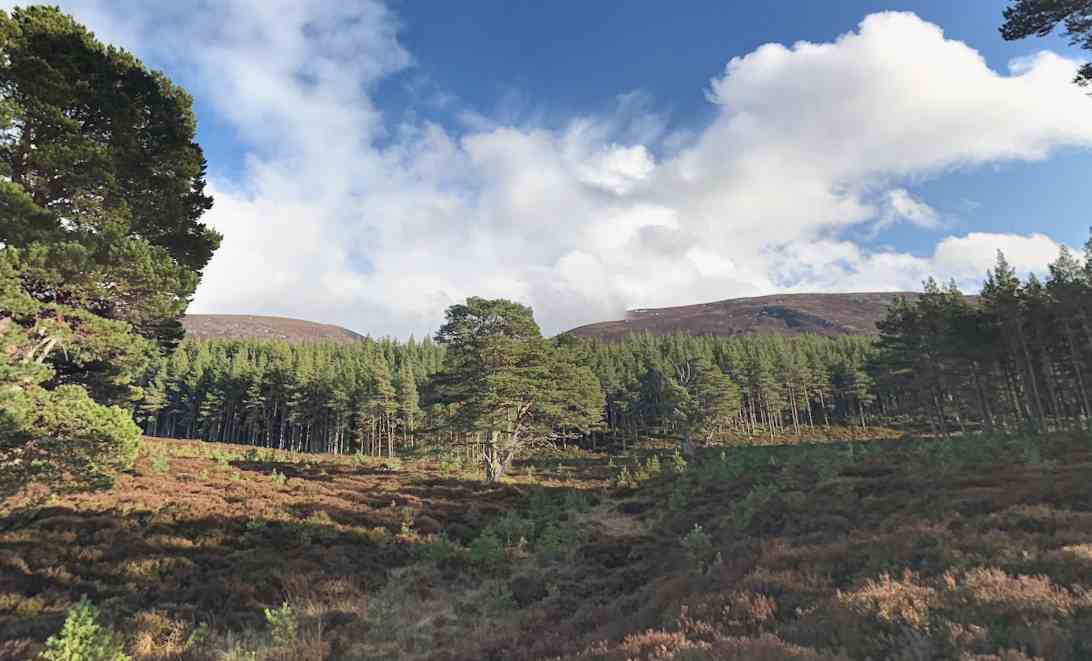
One of the defining features of Glen Feshie is its ancient Caledonian pine forest. Once, these native Scots pine woodlands covered much of Scotland. Over centuries, deforestation and heavy grazing reduced them dramatically. What survives here is both precious and resilient.
The forest consists mainly of Scots pine, alongside birch, rowan and juniper. The trees grow in irregular clusters rather than neat plantations, creating a natural, layered appearance. In spring, the woodland floor is bright with fresh growth. In autumn, the colours shift to warm gold and russet tones.
A Model for Natural Regeneration
In recent years, Glen Feshie has become internationally recognised for its rewilding efforts. Reduced grazing pressure has allowed young trees to regenerate naturally. Instead of planting vast monocultures, conservation managers have focused on allowing ecological processes to lead recovery.
The result is visible across the hillsides. Saplings now climb slopes that were once bare. Woodland birds are returning in greater numbers. The landscape feels alive with renewal. Rather than imposing strict control, the approach respects the valley’s inherent resilience.
Wildlife of the Highland Valley
Iconic Scottish Species
The habitats within Glen Feshie support a remarkable range of wildlife. Red squirrels dart between pine trunks. Roe deer move quietly along woodland edges. Mountain hares, ptarmigan and red grouse inhabit higher ground.
Birdlife is especially impressive. Golden eagles patrol the skies, while ospreys and buzzards can often be seen near the river. Black grouse perform their distinctive displays in spring, adding a sense of seasonal rhythm to the glen.
Predators and Ecological Balance
Healthy ecosystems require balance. By encouraging woodland recovery and reducing overgrazing, Glen Feshie has helped create conditions that support natural predator-prey relationships. Foxes, pine martens and birds of prey all play important roles.
While large predators such as lynx and wolf remain absent from modern Scotland, discussions around long-term rewilding often cite this valley as an example of what landscape-scale restoration can achieve within current constraints.
Walking and Outdoor Experiences
Riverside Trails and Forest Walks
For walkers, Glen Feshie offers routes that range from gentle riverside paths to demanding mountain ascents. The lower glen provides wide estate tracks suitable for most fitness levels. These paths follow the River Feshie through open woodland, offering sweeping views and quiet picnic spots.
Further south, the landscape becomes wilder. Tracks narrow and give way to rougher terrain. Walkers heading towards Ruigh Aiteachain bothy find themselves immersed in a remote and deeply atmospheric environment.
Munros and Mountain Challenges
Beyond the valley floor rise several Munros, including Sgòr Gaoith and Mullach Clach a’ Bhlàir. These peaks reward experienced hikers with dramatic panoramas across the Cairngorm plateau.
Weather conditions can change rapidly, and preparation is essential. Yet for those equipped with map, compass and suitable clothing, the experience is unforgettable. Few places combine such openness with such intimacy.
Seasonal Beauty Throughout the Year
Spring and Summer
In spring, fresh greenery spreads across the glen. Birds return to nesting sites and the river runs bright with snowmelt from the high ground. Early summer brings long daylight hours, allowing walkers to explore well into the evening.
Wildflowers appear in sheltered areas, and insect life flourishes. Photographers often favour this season for its combination of soft light and vibrant colour.
Autumn and Winter
Autumn transforms the woodland into a tapestry of gold and amber. The air grows crisp, and mist often settles along the river at dawn. Winter introduces a stark beauty: snow-capped peaks, frozen branches and a silence broken only by wind.
Each season offers a distinct character, ensuring that Glen Feshie never feels repetitive.
Cultural and Historical Context
Highland Heritage
Like much of the Highlands, Glen Feshie has a layered history. It has been shaped by clan territories, agricultural change and sporting estates. Remnants of old shielings and stone structures can still be found, hinting at past communities who relied on seasonal grazing.
Gaelic place names throughout the valley preserve linguistic heritage and cultural identity. They reflect landscape features, local legends and practical knowledge passed down through generations.
Estate Management and Modern Vision
The estate that encompasses much of Glen Feshie has shifted focus in recent decades from traditional sporting priorities to ecological restoration. This transition represents a broader movement within parts of rural Scotland, where land use is increasingly balanced with conservation goals.
The approach taken here has influenced national conversations about biodiversity, climate resilience and sustainable land management.
Photography and Creative Inspiration
Artists and photographers are drawn to Glen Feshie for its dramatic light and textured terrain. The interplay between river, forest and mountain creates endlessly varied compositions.
Morning light filtering through pine branches produces atmospheric scenes, while sunset over the Cairngorms casts long shadows across the valley floor. Writers, too, find inspiration in the solitude and sense of continuity.
Responsible Tourism and Visitor Guidance
Respecting the Landscape
Visitors are encouraged to follow Scotland’s Outdoor Access Code. This means respecting wildlife, taking litter home and minimising disturbance. The delicate balance of habitats relies on responsible behaviour.
Campers should choose durable surfaces and avoid damaging young trees. Dog owners should keep pets under control, particularly during lambing and bird nesting seasons.
Practical Considerations
Facilities within Glen Feshie are limited. There are no large visitor centres or extensive amenities. This simplicity enhances its wild character but requires preparation. Adequate food, water and navigation tools are essential.
Mobile phone coverage can be unreliable. Informing someone of your plans before heading into remote sections is always wise.
Climate Change and the Future
Climate change presents both challenges and opportunities for Highland ecosystems. Increased rainfall intensity may alter river patterns further, while warmer temperatures could shift species distributions.
The regenerative approach taken in Glen Feshie enhances resilience. Diverse woodland structure, restored peatlands and natural flood management all contribute to long-term environmental stability.
As public interest in rewilding grows, the glen serves as a case study for landscape-scale ecological recovery within a developed nation.
Why This Highland Valley Matters
In an age of rapid urbanisation and digital distraction, places like Glen Feshie offer something increasingly rare: space to breathe. The absence of heavy infrastructure allows natural processes to remain visible and tangible.
Beyond its beauty, the valley demonstrates that ecological repair is possible. By reducing pressure and allowing nature to lead, landscapes can heal in ways that benefit both wildlife and people.
The lessons learned here extend far beyond the Highlands. They inform debates about land use, climate adaptation and sustainable tourism across the United Kingdom and beyond.
FAQs
Where is Glen Feshie located?
It is situated in the Scottish Highlands within the Cairngorms National Park, south of Kincraig and near Kingussie.
Is Glen Feshie suitable for beginner walkers?
Yes, the lower valley offers accessible estate tracks ideal for moderate walks, though higher mountain routes require experience and proper equipment.
What wildlife can be seen in Glen Feshie?
Visitors may encounter red squirrels, roe deer, golden eagles, black grouse and a wide range of woodland birds.
When is the best time to visit Glen Feshie?
Spring and autumn are particularly popular for scenery and wildlife activity, though each season provides a distinct atmosphere.
Are there facilities within Glen Feshie?
Facilities are minimal, so visitors should bring supplies and prepare for limited mobile coverage.
Conclusion
Glen Feshie stands as one of Scotland’s most compelling natural landscapes — a place where geology, ecology and human vision converge. Its ancient pinewoods, ever-changing river and expanding woodland regeneration tell a story of resilience and renewal. For walkers, wildlife lovers and those seeking quiet reflection, this Highland valley offers both inspiration and perspective. In experiencing Glen Feshie, visitors encounter not only stunning scenery but also a living example of how thoughtful stewardship can restore balance between people and nature.