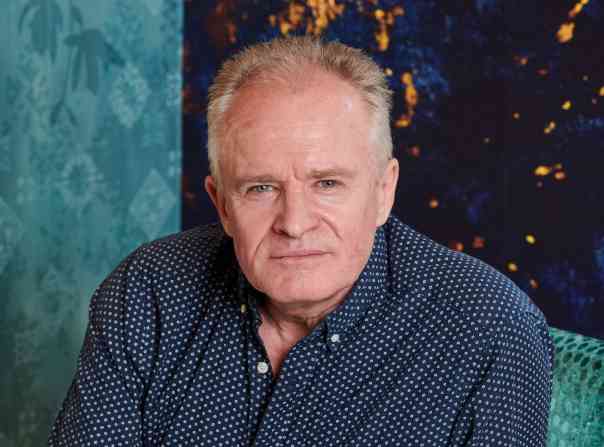
Few names from Britain’s golden era of television comedy still spark recognition across generations quite like Bobby Davro. From his early days as a sharp-witted impressionist to his evolution into a respected actor and live performer, Bobby Davro has built a career that reflects both the changing face of British entertainment and the resilience required to remain relevant for decades.
Early Life and Background
Born Robert Christopher Nankeville on 13 September 1958 in Middlesex, England, Bobby Davro grew up in a household that understood discipline and performance in different forms. His father, Bill Nankeville, was a distinguished middle-distance runner and British Olympian. That athletic background instilled focus and determination — qualities that would later shape Davro’s career in showbusiness.
From an early age, he showed a flair for mimicry. Friends and family noticed his uncanny ability to replicate the voices and mannerisms of well-known figures. While some children outgrow playful impressions, his talent matured into a genuine stage skill. He developed timing, confidence, and the nerve to perform in front of audiences.
The stage soon became his natural habitat.
Breaking Into British Television
The 1980s: A Breakthrough Era
The 1980s marked a golden period for light entertainment in the UK. Variety shows, impressionists and sketch comedy enjoyed prime-time slots, and audiences embraced performers who could deliver family-friendly humour.
Bobby Davro stepped into this environment at exactly the right moment.
His breakthrough came in the early 1980s, leading to a string of television appearances that quickly made him a household name. Viewers were drawn to his energetic style and fast-paced celebrity impressions. At a time when only a handful of channels dominated British screens, securing a regular presence meant national recognition.
He went on to front several of his own television programmes, blending impressions, sketches and musical numbers. His work appealed to mainstream audiences, cementing his status as one of Britain’s leading entertainers of the decade.
A Recognisable Comic Style
Unlike comedians who rely heavily on satire or political humour, Davro’s appeal lay in accessibility. His comedy was observational, character-driven and impression-focused. Families could watch together without discomfort.
His impressions ranged across British television personalities, singers and public figures, delivered with exaggerated expressions and physical comedy. It was this blend of mimicry and warmth that made him distinctive in a crowded field.
Reinventing Himself Beyond Sketch Comedy
No career in entertainment remains static. As British television evolved in the 1990s and 2000s, sketch-based variety shows became less dominant. Reality programming and soap operas began to shape prime-time viewing habits.
Rather than fading into nostalgia, Bobby Davro adapted.
Transition to Acting
One of the most notable shifts in his career was his move into serious acting roles. Many comedians struggle to be taken seriously outside comedy, yet Davro proved capable of emotional depth.
His role as Vinnie Monks in the BBC soap EastEnders introduced him to a new audience. Soap viewers saw a more dramatic side, revealing vulnerability and realism that differed from his earlier television persona. It was a calculated and successful reinvention.
Reality Television Appearances
As reality formats grew popular, Davro also appeared in high-profile shows such as Dancing on Ice and Celebrity Big Brother. These appearances served two purposes: reconnecting with long-time fans and introducing him to younger viewers who may not have grown up with 1980s variety television.
Reality television often exposes personal sides of performers, and Davro’s participation displayed humility, humour and resilience.
Life on Stage: The Return to Live Performance
While television fame fluctuates, live performance remains the purest form of entertainment. Bobby Davro has consistently returned to the stage, touring theatres across the UK with stand-up and variety shows.
The Power of Live Audiences
There is an intimacy in live comedy that television cannot replicate. Audience laughter, improvisation and spontaneous interaction all shape the performance in real time.
Davro’s live shows draw on decades of material, blending nostalgia with contemporary commentary. He understands pacing and the rhythm of crowd reaction — skills honed over years of touring.
In recent years, he has performed at venues including the Edinburgh Festival Fringe, demonstrating that his appeal extends beyond nostalgic audiences.
Adapting to Modern Comedy Landscapes
The UK comedy scene today is more diverse and digitally driven than in the 1980s. Social media platforms have introduced new comedic voices, often favouring edgy humour and short-form content.
Rather than competing directly in that arena, Davro leans into his strengths: traditional stand-up, impressions and structured stage performance. This strategic positioning allows him to occupy a distinctive niche.
Personal Life and Public Challenges
Behind every long-standing career lies a personal story.
Bobby Davro has faced moments of private difficulty that became public knowledge. The passing of his fiancée, Vicky Wright, was a deeply personal loss. In interviews, he has spoken openly about grief and the emotional toll it brought.
Health and Recovery
In 2024, reports emerged that Davro had suffered a stroke following a performance. Health scares can mark turning points in any life, particularly in a physically demanding profession such as live entertainment.
His recovery and gradual return to performing reflected resilience. Public reaction was supportive, with many expressing admiration for his determination.
Such events humanise performers. They remind audiences that behind stage lights and applause are real lives, marked by vulnerability as much as talent.
Why He Remains Relevant
In an age of rapid media turnover, sustained relevance is rare. Yet Bobby Davro continues to appear in headlines and theatre listings.
A Bridge Between Generations
For older audiences, he represents a familiar voice from the 1980s. For younger viewers encountering him through reality television or social clips, he offers a glimpse into Britain’s variety show heritage.
This cross-generational presence strengthens his cultural footprint.
Consistency and Professionalism
Longevity in entertainment is rarely accidental. It requires reliability, adaptability and audience awareness. Davro’s willingness to evolve — from impressionist to actor to reality contestant and touring comedian — illustrates strategic career management.
He has not relied solely on past achievements but continues to perform and refine his craft.
The Cultural Context of His Career
To understand the significance of Bobby Davro, it helps to consider the media environment in which he emerged.
The Age of Limited Channels
During the early part of his career, British television was dominated by a handful of broadcasters. Prime-time exposure carried enormous weight. Performers could reach millions in a single evening.
Today’s fragmented media landscape makes that level of collective recognition harder to achieve. Davro’s early fame occurred during a period when entertainers became nationally recognised figures almost overnight.
Changing Comedy Expectations
Comedy styles evolve. The 1980s valued impressions and light entertainment; modern audiences often prefer satire, social commentary or streaming-friendly stand-up specials.
The ability to adapt to such changes is a testament to professional resilience.
Public Perception and Media Coverage
Media narratives around performers often shift with time. While early coverage focused on ratings and popularity, more recent reporting has highlighted personal milestones and health updates.
Despite occasional tabloid scrutiny, Davro’s public image has largely remained positive. He is typically described as personable, approachable and dedicated to his audience.
That goodwill matters in a career spanning more than four decades.
Career Highlights at a Glance
Although summarising decades of work is challenging, key milestones include:
- Rising to national prominence in 1980s variety television
- Fronting his own comedy programmes
- Transitioning into acting roles, including EastEnders
- Competing in high-profile reality shows
- Maintaining an active touring schedule
Each phase reflects adaptation rather than stagnation.
FAQs
Who is Bobby Davro?
Bobby Davro is a British comedian, actor and impressionist who rose to fame in the 1980s through television variety shows and later expanded into acting and live touring.
What is he best known for?
He is best known for celebrity impressions and prime-time comedy programmes during the 1980s, as well as his later acting role in EastEnders.
Has he experienced recent health issues?
Yes, reports in 2024 indicated he suffered a stroke after a performance but has since focused on recovery and returning to the stage.
Does he still perform live?
He continues to tour theatres across the UK, performing stand-up and variety shows that blend impressions and storytelling.
What makes his career significant?
His longevity, ability to adapt across different entertainment formats and cross-generational appeal make his career notable within British television history.
Conclusion
Bobby Davro’s career reflects the shifting landscape of British entertainment over more than forty years. From the height of 1980s variety television to modern live touring and reality appearances, he has navigated change with persistence and adaptability.
In an industry often defined by fleeting fame, his sustained presence is a reminder that talent alone is not enough; resilience, reinvention and audience connection are equally essential. Whether remembered for his impressions, respected for his acting, or admired for his determination after personal hardship, he remains a recognisable and enduring figure within British popular culture.