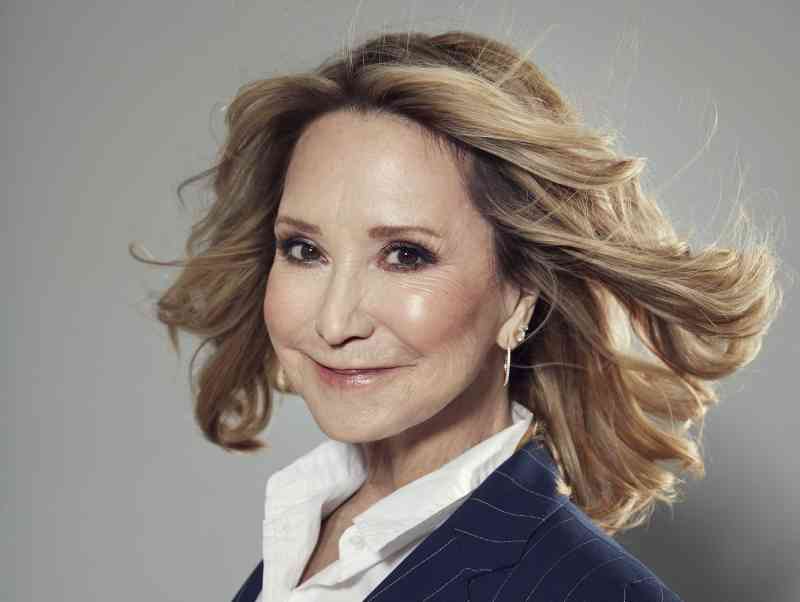
Few performers have managed to remain as warmly regarded in British culture as Felicity Kendal. With a career spanning more than half a century, she has graced television screens, theatre stages and cinema productions with intelligence, elegance and a distinctive emotional warmth. For many viewers, she will always be associated with one of the most beloved sitcoms in BBC history, yet her achievements stretch far beyond a single role. From her unusual upbringing in India to her critically acclaimed stage performances in London’s West End, her journey is one of resilience, versatility and quiet determination.
Early Life and Theatrical Roots
Growing Up in a Travelling Theatre Family
Born on 25 September 1946 in Olton, Warwickshire, Felicity Kendal was immersed in theatre almost from birth. Her father, Geoffrey Kendal, was an English actor and manager of a touring repertory company known as Shakespeareana. Her mother, Laura Liddell, was also an actress. Much of her childhood was spent travelling across India, where the family performed Shakespearean plays and other classics.
This unconventional upbringing meant that formal schooling was limited. Instead, she received an education in literature, language and performance from her parents and the company’s actors. Performing before live audiences from a young age instilled discipline and confidence. It also cultivated her love of storytelling and classical theatre.
Life in Post-Colonial India
Growing up in India during a time of political and cultural transition left a lasting impression. The exposure to diverse communities and dramatic landscapes broadened her worldview. Performing Shakespeare in remote towns required adaptability, resilience and creativity — qualities that would later define her professional approach.
The experience also forged a strong family bond centred around artistic collaboration. This early immersion in theatre created a foundation that shaped her instincts as an actress.
The Breakthrough: The Good Life
Becoming a Household Name
Although she had already appeared in television productions during the 1960s and early 1970s, it was the BBC sitcom The Good Life (1975–1977) that made Felicity Kendal a national favourite. Playing Barbara Good opposite Richard Briers’ Tom Good, she portrayed one half of a suburban couple who decide to abandon consumer culture and pursue self-sufficiency.
Barbara Good was spirited, witty and grounded. The character balanced idealism with practicality, and viewers responded warmly to her natural presence. The series was both a ratings triumph and a cultural moment, reflecting the era’s shifting attitudes towards consumerism and environmental awareness.
Cultural Impact of the Series
The Good Life remains one of the most repeated British sitcoms. It captured a gentle satire of middle-class aspirations while maintaining genuine affection for its characters. Her performance played a crucial role in its success, demonstrating subtle comic timing and emotional intelligence.
The series finale drew enormous viewership figures, and its popularity secured her place in British television history.
Expanding Her Television Career
Solo and The Mistress
Following her sitcom success, Felicity Kendal took on lead roles in other television comedies. In Solo (1981–1982), she played Gemma Palmer, a young woman navigating independence and relationships in London. The show allowed her to portray a more introspective character, balancing humour with vulnerability.
Later, she starred in The Mistress (1985–1987), exploring romantic complexities and moral dilemmas with a more mature tone. Both series reinforced her versatility and proved she was not confined to a single iconic character.
Drama and Guest Appearances
Beyond comedy, she appeared in numerous drama productions and adaptations. From period pieces to contemporary stories, she consistently demonstrated emotional nuance. Her ability to move between light comedy and serious drama has been a defining feature of her long career.
A Distinguished Theatre Career
Commitment to the Stage
While many remember her television roles, Felicity Kendal has often expressed that theatre is her first love. Over decades, she has performed in classical and modern productions across the UK. The discipline of live performance — with no opportunity for retakes — suits her meticulous preparation and instinctive timing.
She has appeared in works by Shakespeare, Tom Stoppard and other leading playwrights. Notably, her performances in Stoppard’s Indian Ink received critical praise for their emotional depth and sensitivity.
West End and Touring Productions
Her presence in West End productions has consistently drawn audiences. Whether performing in intimate venues or large theatres, she brings clarity and warmth to her characters. Critics frequently commend her ability to convey complex emotions with understated precision.
Even as television tastes have evolved, she has remained active on stage, demonstrating dedication to craft rather than celebrity.
Film Appearances
Although cinema has not been her primary medium, she has appeared in British films, including the late-1990s comedy Parting Shots. Her film roles tend to complement her broader body of work rather than dominate it. The selective approach reflects her emphasis on quality over quantity.
Personal Life and Public Image
Relationships and Family
Her personal life has occasionally attracted public attention, including marriages and family matters. Despite this, she has largely maintained privacy and dignity in the face of press interest. Interviews often reveal a thoughtful and reflective individual who values family and creative integrity above public spectacle.
Public Persona
Felicity Kendal has long been associated with warmth, grace and approachability. During the height of her television fame, she was frequently cited as one of Britain’s most admired actresses. Unlike some contemporaries, she avoided overexposure, choosing projects carefully and maintaining a steady professional rhythm.
Later Career and Continued Relevance
Strictly Come Dancing
In 2010, she introduced herself to a new generation by participating in the BBC’s Strictly Come Dancing. Her appearance showcased courage and openness to new experiences. Though not the youngest contestant, she approached the competition with enthusiasm and humour, winning public affection once more.
Recent Stage Performances
In recent years, Felicity Kendal has continued to appear in theatre productions, proving that artistic vitality does not fade with age. Audiences and critics alike have remarked on her enduring stage presence. Rather than slowing down, she has embraced roles that explore maturity and complexity.
Awards and Recognition
Throughout her career, she has received numerous accolades and honours. Appointed Commander of the Order of the British Empire (CBE), she has been formally recognised for services to drama. Awards reflect both longevity and excellence, underscoring the respect she commands within the industry.
Influence on British Culture
A Symbol of 1970s Television
The image of Barbara Good has become an enduring cultural reference. Even decades later, the character represents optimism and gentle rebellion against convention. Through that role and many others, Felicity Kendal became emblematic of a certain era in British broadcasting.
Inspiration for Future Performers
Her career path demonstrates that sustained success can be built on talent and discipline rather than sensationalism. Younger actors often cite performers of her generation as examples of commitment to craft. By balancing television fame with serious theatre work, she modelled a career rooted in artistic credibility.
The Enduring Appeal
Part of her lasting popularity lies in authenticity. Audiences perceive sincerity in her performances. Whether portraying comedic domestic scenes or complex dramatic roles, she avoids exaggeration. That grounded quality creates emotional connection.
Moreover, her willingness to take on varied projects — from sitcoms to Shakespeare — has prevented typecasting. Adaptability, combined with classical training, has allowed her to evolve alongside the industry.
FAQs
Who is Felicity Kendal best known for?
She is best known for playing Barbara Good in the BBC sitcom The Good Life, which aired from 1975 to 1977 and became a classic of British television.
Did Felicity Kendal grow up in India?
Yes. Much of her childhood was spent in India, where her parents ran a touring theatre company performing Shakespeare and other plays.
Has Felicity Kendal mainly worked in television?
Although widely recognised for television, she has maintained a substantial theatre career and considers stage acting central to her professional identity.
Has Felicity Kendal received national honours?
She was appointed CBE in recognition of her services to drama, reflecting her contribution to British cultural life.
Is Felicity Kendal still performing?
Yes. She continues to appear in stage productions and occasionally in television projects, demonstrating ongoing commitment to acting.
Conclusion
From a childhood spent touring Indian towns with a Shakespearean troupe to becoming one of Britain’s most beloved television figures, the story of Felicity Kendal is one of dedication, adaptability and quiet strength. Her portrayal of Barbara Good may have introduced her to millions, but her enduring theatre work and thoughtful approach to performance reveal far greater depth.