Preparing for GCSEs can feel overwhelming. With multiple subjects, tight deadlines, and pressure to perform, students often struggle to find revision methods that truly work. That’s where gcse pod has become a widely recognised solution across UK secondary schools. Designed to make learning manageable, focused and effective, it offers structured support for students aiming to improve both understanding and exam performance.
What Is GCSE Pod?
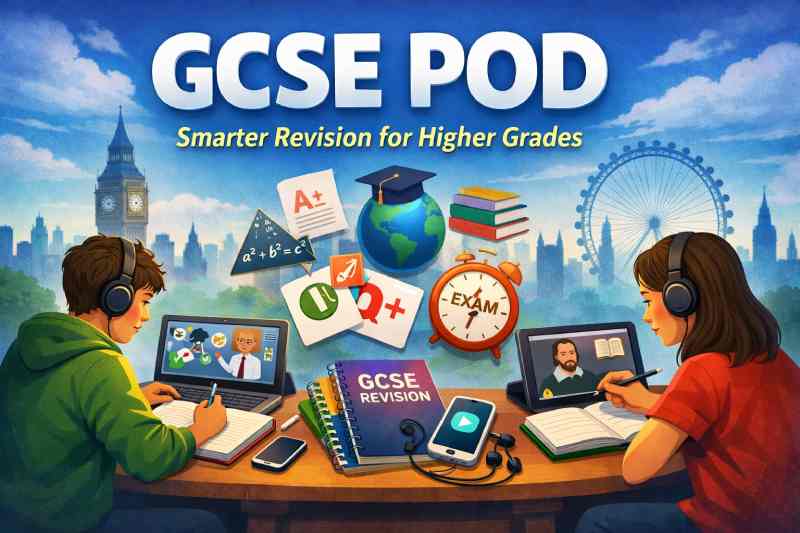
GCSE Pod is an online learning platform specifically built for GCSE students in the United Kingdom. It delivers short, targeted audio-visual lessons known as “Pods” that cover key syllabus topics across a wide range of subjects.
Each Pod typically lasts between three and five minutes. Rather than overwhelming students with long videos, the platform focuses on concise explanations of essential exam content. The idea is simple: break complex topics into small, digestible sections that are easier to revise and remember.
Most schools purchase a licence, meaning students gain access through their school accounts. This makes gcse pod part of a structured learning strategy rather than just another optional revision website.
How GCSE Pod Supports the UK Curriculum
One of the key strengths of gcse pod is its alignment with UK exam boards. The content is carefully mapped to specifications from major boards such as AQA, Edexcel, OCR and WJEC. This ensures that students revise exactly what is required — nothing more, nothing less.
Subject Coverage
The platform covers a broad selection of GCSE subjects, including:
- English Language and English Literature
- Mathematics
- Combined and Separate Sciences
- History
- Geography
- Modern Foreign Languages
- Religious Studies
- Business Studies
Because the Pods are specification-linked, students can target precise areas where they need improvement.
Structured Learning Pathways
Teachers often assign specific Pods as homework or revision tasks. This makes gcse pod not just a revision tool but a structured learning companion. Students are guided through topics in a logical order, helping reinforce classroom learning.
Why Short Revision Sessions Work
Modern research into learning and memory shows that short, focused revision sessions are more effective than long cramming periods. Attention spans tend to decline sharply after around 20 minutes of continuous study. By keeping lessons brief, gcse pod supports concentration and reduces cognitive overload.
Microlearning and Retention
Microlearning involves delivering content in small, targeted units. This approach:
- Improves information retention
- Encourages regular revision habits
- Reduces procrastination
- Makes revision feel less daunting
When students complete several Pods in a row, they build knowledge steadily without feeling overwhelmed.
Active Recall and Reinforcement
Effective revision requires more than passive watching. Students using gcse pod are encouraged to pause, take notes, answer questions and revisit Pods when needed. Repetition strengthens memory pathways, making exam recall easier.
Key Features of GCSE Pod
Understanding the main features helps explain why schools invest in the platform.
1. Audio-Visual Learning
Each Pod combines narration with clear visuals. This dual-coding approach helps learners process information through both sight and sound, which can enhance comprehension.
2. Downloadable Access
Students can download Pods to listen offline. This means revision can happen anywhere — on the bus, during a walk, or while travelling.
3. Assessment and Tracking
Teachers can monitor student progress. They can see which Pods have been completed and identify gaps in learning. This accountability encourages consistent engagement.
4. Exam-Focused Language
The explanations use terminology aligned with GCSE mark schemes. This familiarises students with exam wording and expectations.
How Students Can Use GCSE Pod Effectively
Simply having access to a revision platform does not guarantee success. Students must use it strategically.
Create a Revision Plan
Start by identifying weak subjects. Break topics into manageable sections and schedule Pods accordingly. For example:
- Monday: Two Science Pods
- Tuesday: One Maths Pod and one English Pod
- Wednesday: Review and practice questions
Short daily sessions are more productive than occasional long sessions.
Combine with Practice Questions
After watching a Pod, attempt related exam questions. This tests understanding and highlights areas that require further revision. Rewatching relevant gcse pod content can then reinforce learning.
Take Structured Notes
Avoid passive listening. Summarise key points in bullet form. Writing information down strengthens retention and creates quick revision summaries for later use.
Revisit Regularly
Spacing revision across weeks rather than days improves long-term memory. Returning to gcse pod content several times before exams significantly increases recall.
Benefits for Different Types of Learners
Every student learns differently. One reason gcse pod has gained popularity is its accessibility across learning styles.
Auditory Learners
The spoken explanations support those who absorb information best through listening.
Visual Learners
Clear diagrams and on-screen text reinforce understanding.
Students with Busy Schedules
Short Pods make it easier to fit revision into daily life without needing large blocks of uninterrupted time.
Students Who Struggle with Motivation
Because each lesson feels manageable, students are more likely to start — and once started, momentum builds.
How Teachers Integrate GCSE Pod
Schools often embed gcse pod into homework routines or intervention programmes.
Targeted Intervention
Teachers may assign Pods to students who are underperforming in specific topics. This ensures focused improvement rather than general revision.
Flipped Learning
Some schools use Pods before classroom lessons. Students watch a topic at home, then apply knowledge in class. This maximises lesson time for discussion and practice.
Revision Before Mock Exams
In the lead-up to mock examinations, teachers frequently create Pod playlists covering key themes.
Common Misconceptions
Despite its strengths, gcse pod is sometimes misunderstood.
“It Replaces Classroom Learning”
It does not replace teachers. Instead, it reinforces and consolidates classroom instruction.
“Watching Videos Is Enough”
Success requires active engagement. Students must apply knowledge through practice questions and written responses.
“It Works Instantly”
Improvement depends on consistent use over time. Sporadic revision will not deliver strong results.
Comparing GCSE Pod to Other Revision Methods
Many revision resources exist, from textbooks to flashcards and online videos. The advantage of gcse pod lies in its exam alignment and school integration.
Textbooks can be comprehensive but time-consuming. Flashcards promote recall but require prior knowledge. General video platforms may not align precisely with UK specifications. GCSE Pod combines curriculum mapping with accessibility.
For best results, students should use a mixture of methods rather than relying solely on one resource.
Does GCSE Pod Improve Grades?
There is no magic solution for exam success. However, structured revision, repetition and exam-focused explanations significantly improve performance when used correctly.
Students who engage consistently with gcse pod often demonstrate:
- Better topic recall
- Increased confidence
- Stronger exam technique
- More organised revision habits
Ultimately, effort and discipline remain essential. The platform provides tools — students must use them effectively.
FAQs
Is gcse pod free for students?
In most cases, access is provided through a school subscription. Students usually log in using school credentials.
How often should I use gcse pod?
Ideally, short daily sessions of 10–20 minutes are more effective than occasional long sessions.
Can gcse pod help with last-minute revision?
It can support quick topic refreshers, but long-term spaced revision produces better outcomes.
Does gcse pod cover higher-tier content?
Yes, it includes material tailored to different tiers, depending on the subject and specification.
Should I rely only on gcse pod for revision?
No. Combine it with practice papers, textbooks and teacher feedback for the strongest results.
Conclusion
GCSE Pod offers a structured, curriculum-aligned approach to revision that fits naturally into the demands of modern student life. By delivering concise, focused lessons mapped directly to UK exam specifications, it helps reduce overwhelm and improve retention. When used consistently alongside practice questions and classroom learning, it can become a powerful tool in achieving higher GCSE grades.