In a world where healthcare is often rushed and standardised, Kinervus stands out as a clinic built on precision, compassion and evidence-based rehabilitation. Located in Alken, Limburg, Belgium, this specialised physiotherapy practice has steadily earned recognition for its thoughtful approach to neurological and musculoskeletal care. While not based in the United Kingdom, kinervus has attracted attention in UK health discussions due to its clear philosophy: treatment must fit the individual, not the other way around.
The Foundation and Vision Behind Kinervus
Every healthcare practice begins with a purpose. Kinervus was founded around 2019 by Stefanie Ver Eecken, a trained specialist in rehabilitation sciences and kinesitherapy. Her goal was not merely to open another physiotherapy practice, but to build a centre where treatment plans are carefully tailored and guided by clinical reasoning.
The name itself reflects movement and the nervous system, highlighting the clinic’s particular interest in neurological rehabilitation. From its inception, kinervus has focused on restoring mobility, improving quality of life and supporting patients through structured, evidence-driven programmes.
A Clear Philosophy of Care
The guiding principles at kinervus revolve around:
- Personalised assessment rather than generic exercise sheets
- Evidence-based interventions supported by current research
- Long-term functional outcomes instead of temporary symptom relief
- Respect for each patient’s pace, condition and lifestyle
This philosophy has shaped the clinic’s reputation and explains why it is often described as a practice centred on thoughtful rehabilitation rather than high-volume appointments.
Location and Clinical Setting
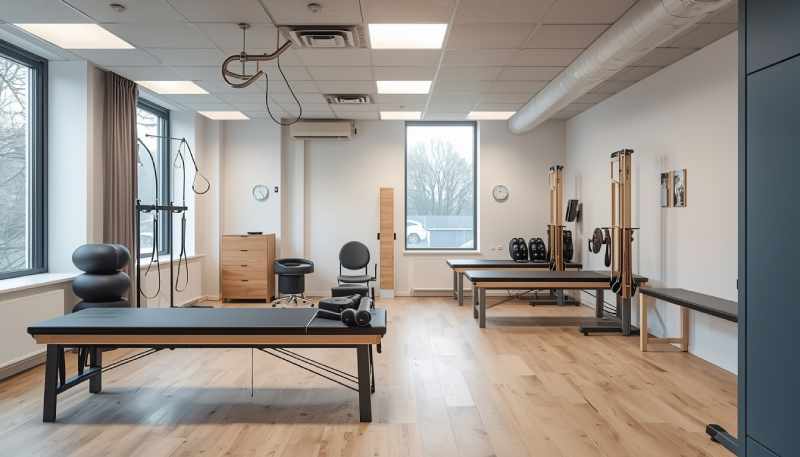
Kinervus operates from Steenweg 121 Z/C in Alken, Limburg, Belgium. The clinic’s setting supports private consultations and structured therapy sessions. Appointments are typically scheduled in advance to ensure adequate time is allocated for each individual.
Unlike some larger hospital-based rehabilitation units, kinervus functions as a specialised practice where continuity of care is emphasised. Patients often work directly with the lead therapist throughout their recovery journey, which can significantly improve therapeutic rapport and trust.
Core Areas of Expertise
While many physiotherapy clinics offer general services, kinervus has developed expertise in specific rehabilitation domains. These areas form the backbone of its clinical identity.
Neurological Rehabilitation
Neurological physiotherapy is a specialised field addressing movement disorders caused by damage to the brain, spinal cord or nerves. Kinervus provides structured rehabilitation for conditions such as:
- Stroke (CVA)
- Multiple sclerosis
- Parkinson’s disease
- Spinal cord injury
- Peripheral nerve damage
Neurological recovery requires patience, repetition and clinical precision. Treatment sessions may include balance training, gait re-education, muscle strengthening and coordination exercises. Rather than relying on a rigid template, kinervus adapts exercises as progress evolves.
The nervous system’s plasticity — its ability to reorganise and adapt — plays a central role in therapy. By designing targeted interventions, kinervus helps stimulate functional improvements that support independence.
Paediatric Physiotherapy
Children experience developmental changes that differ significantly from adult rehabilitation needs. Kinervus addresses paediatric physiotherapy with sensitivity and structured assessment.
Common focus areas include:
- Delayed motor development
- Coordination difficulties
- Postural concerns
- Neuromotor disorders
Sessions are often designed to be engaging and age-appropriate while still clinically effective. Parents are typically involved in home exercise planning, ensuring continuity between clinic visits and daily routines.
Paediatric rehabilitation requires a balance of scientific understanding and gentle encouragement. The approach at kinervus reflects this balance.
Manual Lymphatic Drainage
Another distinctive service at kinervus is manual lymphatic drainage, performed according to the Vodder method. This gentle technique supports lymphatic flow and is particularly useful for:
- Post-surgical swelling
- Lymphoedema
- Fluid retention
- Certain inflammatory conditions
Manual lymphatic drainage involves slow, rhythmic movements designed to stimulate the lymphatic system without applying deep pressure. It is a highly specialised skill that requires additional training beyond standard physiotherapy education.
By incorporating this therapy into its offerings, kinervus expands its rehabilitation scope beyond musculoskeletal care.
Musculoskeletal Rehabilitation
Musculoskeletal pain is one of the most common reasons patients seek physiotherapy. At kinervus, treatment plans for back pain, neck tension, shoulder injuries or post-operative recovery are carefully assessed before intervention begins.
Key elements often include:
- Postural correction
- Targeted strengthening exercises
- Mobility training
- Functional movement retraining
Rather than focusing solely on symptom suppression, kinervus emphasises identifying contributing factors such as muscular imbalance or movement patterns. This analytical method supports sustainable recovery.
The Importance of Individualised Treatment Plans
One defining characteristic of kinervus is the refusal to rely on generic rehabilitation templates. Each new patient undergoes a thorough assessment covering:
- Medical history
- Functional limitations
- Personal goals
- Lifestyle considerations
This information forms the basis of a structured yet flexible therapy plan. For example, a patient recovering from stroke may prioritise walking independently, whereas another may focus on regaining hand coordination. Therapy adapts accordingly.
Individualisation enhances motivation and can significantly improve adherence to prescribed exercises. It also reflects contemporary physiotherapy standards, where clinical reasoning is central to effective practice.
Evidence-Based Practice in Action
Modern rehabilitation demands more than intuition. Evidence-based physiotherapy integrates three pillars:
- Current scientific research
- Clinical expertise
- Patient values
Kinervus demonstrates this integration by applying research-supported methods in neurological and musculoskeletal rehabilitation. Continuous professional development ensures that therapeutic techniques remain aligned with evolving medical knowledge.
Evidence-based practice does not eliminate empathy; rather, it strengthens it by ensuring interventions are purposeful and justified.
Holistic Rehabilitation Approach
Although grounded in science, kinervus does not treat the body as a mechanical system alone. Recovery is influenced by emotional wellbeing, confidence and lifestyle habits.
A holistic approach may include:
- Encouraging gradual reintegration into daily activities
- Advising on ergonomic adjustments
- Supporting long-term physical activity planning
This broader view of rehabilitation helps patients sustain improvements beyond the clinical setting.
Why Personalised Physiotherapy Matters
Standardised rehabilitation models can overlook individual differences. Research consistently shows that patient-specific therapy enhances engagement and functional outcomes.
By limiting appointment overlap and maintaining direct therapist involvement, kinervus supports:
- Better communication
- Clear goal setting
- Structured progression monitoring
This level of personal attention may contribute to higher patient satisfaction and more measurable improvement.
The Growing Relevance of Specialised Clinics
Across Europe and the UK, there is increasing demand for specialist rehabilitation services outside hospital environments. Community-based clinics provide continuity of care after discharge from acute medical treatment.
Kinervus reflects this broader healthcare trend, offering a structured setting where neurological and musculoskeletal patients can continue targeted recovery.
The combination of focused expertise and manageable patient volume allows for detailed monitoring of progress, which is particularly important in long-term neurological conditions.
Patient Experience and Continuity of Care
Rehabilitation is rarely a one-session solution. It often requires weeks or months of structured therapy. At kinervus, continuity of care ensures that the same therapist tracks progress over time.
This consistency allows for:
- Accurate adjustment of exercises
- Identification of subtle improvements
- Immediate response to setbacks
Patients often benefit from this stability, particularly when dealing with chronic or complex conditions.
FAQs
What type of patients typically attend kinervus?
Patients include adults with neurological conditions, individuals recovering from musculoskeletal injuries, and children requiring developmental physiotherapy support.
Is kinervus suitable for post-stroke rehabilitation?
Yes, neurological rehabilitation is a key specialism, with structured programmes designed to improve mobility, balance and coordination after stroke.
Does kinervus provide treatment for chronic back pain?
Musculoskeletal rehabilitation, including chronic back pain management, forms part of the clinic’s core services.
How is treatment personalised at kinervus?
Each patient undergoes a detailed assessment, and therapy plans are tailored according to medical history, functional limitations and individual goals.
Is manual lymphatic drainage available?
Yes, the clinic offers manual lymphatic drainage using the Vodder method for appropriate medical conditions.
Conclusion
Kinervus represents a modern model of physiotherapy rooted in personalisation, evidence-based practice and neurological expertise. By focusing on tailored treatment plans and long-term functional recovery, it moves beyond the limitations of standardised rehabilitation approaches.
In an era where healthcare can feel impersonal, Kinervus demonstrates the value of structured, compassionate and clinically precise therapy. Whether addressing neurological conditions, paediatric needs or musculoskeletal pain, the clinic exemplifies how thoughtful physiotherapy can restore not only movement but confidence and independence.