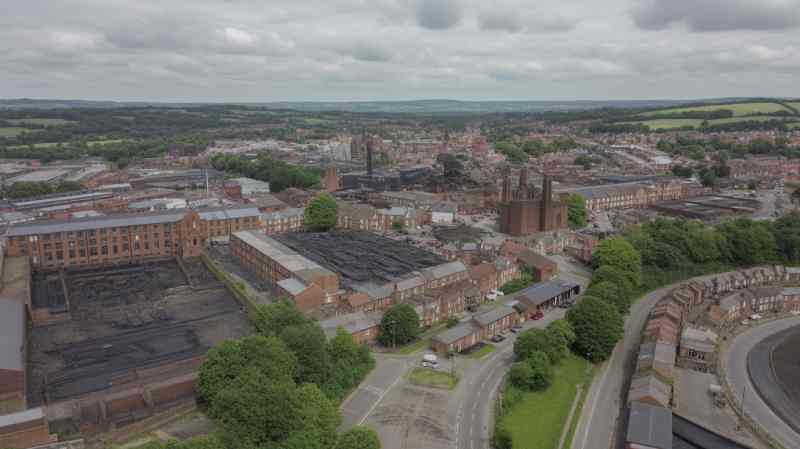
Nestled in the heart of the West Midlands, Bilston gb stands as a proud Black Country town with deep industrial roots and a steadily evolving modern identity. Often overshadowed by nearby Wolverhampton and Birmingham, bilston gb has quietly built a reputation as a place where heritage, resilience and community spirit intersect. From ironworks and coal mines to contemporary regeneration projects and creative spaces, this town tells a story that reflects much of Britain’s industrial journey.
The Historical Foundations of Bilston GB
Early Origins and Medieval Mentions
The recorded history of bilston gb dates back over a thousand years. The town appears in Anglo-Saxon documents and later in the Domesday Book of 1086, confirming its longstanding settlement. Originally a small rural community surrounded by farmland and woodland, the area gradually expanded due to its natural resources.
Coal and ironstone lay beneath the soil, and these resources would ultimately define the town’s future. Long before large-scale industry arrived, small-scale mining and metalworking began shaping daily life.
Industrial Revolution and the Black Country Boom
The real transformation of bilston gb came during the Industrial Revolution. By the late 18th and 19th centuries, the town became a significant centre for coal mining, iron production and steelworks. The region earned the nickname “The Black Country” because of the smoke, soot and heavy industry that darkened the skyline.
Bilston was particularly associated with enamelling and metal trades. Local factories produced decorative enamel goods that were exported across Britain and beyond. The town grew rapidly, with terraced housing built for workers and families drawn to employment opportunities.
Railways further strengthened economic growth. Industrial production flourished, and the town developed a distinct working-class identity that still shapes its culture today.
Twentieth-Century Changes and Decline
Like many industrial towns across Britain, bilston gb experienced economic decline in the mid-20th century as heavy industries closed. Mines shut down, steelworks disappeared and employment patterns shifted dramatically. The closure of railway services and the restructuring of local government altered the town’s administrative landscape.
Despite these setbacks, bilston gb adapted. Over time, regeneration initiatives sought to revitalise former industrial land and modernise infrastructure. These changes laid the groundwork for the town’s present-day character.
Location and Connectivity
A Strategic Position in the West Midlands
Bilston gb sits southeast of Wolverhampton and within easy reach of Birmingham. Its strategic position places it at the centre of the West Midlands urban network. The town is well connected via road routes including the Black Country Route and nearby motorways such as the M6 and M5.
The West Midlands Metro tram system has strengthened local connectivity, linking Bilston with Wolverhampton and Birmingham city centres. This improved access has made commuting practical for residents who work in larger neighbouring cities.
Transport and Modern Infrastructure
Public transport plays a key role in daily life in bilston gb. The tram network, bus services and improved road links have supported both residential and commercial growth. As infrastructure continues to improve across the region, the town benefits from wider economic development strategies targeting the West Midlands.
For families and professionals seeking accessibility without central city congestion, bilston gb offers a practical balance.
Community Life and Local Culture
A Strong Black Country Identity
One of the defining characteristics of bilston gb is its strong community identity. The Black Country dialect, humour and sense of solidarity remain evident in everyday life. Generations of families have lived in the area, and local traditions continue to shape social interactions.
Markets, pubs and community events provide gathering points that strengthen neighbourhood bonds. While modern developments are visible, the town retains a distinctive personality rooted in its industrial past.
Bilston Market and Town Hall
Bilston Market remains one of the most recognisable features of the town. Operating several days a week, it offers fresh produce, clothing, household goods and street food. Markets have long been central to community life in bilston gb, and this tradition continues to thrive.
Bilston Town Hall is another cultural landmark. Originally built in the 19th century, it now serves as a venue for performances, concerts and local events. The building symbolises the town’s historic civic pride and continues to host a range of entertainment.
Arts and Craft Heritage
The town’s creative legacy includes decorative enamelling and metal crafts. Bilston Craft Gallery showcases artistic heritage and contemporary work, preserving the town’s connection to skilled craftsmanship.
Through exhibitions and workshops, local culture remains active rather than confined to history books. This blend of heritage and creativity adds depth to bilston gb’s cultural landscape.
Housing and Living Standards
Affordable Property Compared to Regional Centres
One of the practical advantages of bilston gb is relative affordability. Compared with Birmingham or central Wolverhampton, property prices tend to be lower. This has attracted first-time buyers and families seeking better value for money.
Traditional terraced houses remain common, reflecting the town’s industrial housing expansion. Newer developments and regeneration projects have introduced modern housing options, improving diversity in the property market.
Education and Community Services
Local primary and secondary schools serve the community, and further education institutions in Wolverhampton are easily accessible. Healthcare services and community facilities are available within close reach, contributing to everyday convenience.
For residents seeking a balance between affordability and accessibility, bilston gb presents a realistic option within the West Midlands.
Regeneration and Economic Development
Urban Village and Redevelopment Projects
Large-scale regeneration initiatives have reshaped former industrial land in bilston gb. The Bilston Urban Village development transformed derelict sites into residential neighbourhoods, green spaces and community amenities.
These projects aim to modernise the town while preserving its character. Brownfield redevelopment has helped reduce urban decay and encourage investment.
Employment and Modern Economy
While heavy industry no longer dominates, bilston gb supports retail, logistics, small businesses and service sectors. Proximity to larger economic centres expands job opportunities for residents.
The broader West Midlands Combined Authority strategy focuses on innovation, digital industries and infrastructure investment. As part of this regional growth plan, bilston gb benefits indirectly from wider economic momentum.
Green Spaces and Leisure
Nature and Outdoor Areas
Despite its industrial heritage, bilston gb offers access to green spaces and nature reserves. Reclaimed industrial land has been converted into recreational areas that provide walking paths and open fields.
These green zones contribute to improved quality of life, especially for families seeking outdoor leisure options close to home.
Sports and Community Activities
Local sports clubs, gyms and recreational centres encourage active lifestyles. Community organisations host events ranging from charity runs to seasonal festivals. Such activities reinforce the strong local identity associated with bilston gb.
Social Challenges and Future Prospects
Ongoing Challenges
Like many post-industrial towns, bilston gb faces challenges including economic inequality, infrastructure maintenance and employment diversification. Regeneration efforts continue, but balancing heritage preservation with modern development remains complex.
Youth opportunities and local enterprise growth are key priorities for sustained improvement.
A Town Moving Forward
Despite obstacles, bilston gb shows signs of steady progress. Investment in transport, housing and public spaces demonstrates long-term planning. Community pride and historical awareness provide a foundation for future stability.
As regional development accelerates across the West Midlands, bilston gb is positioned to benefit from improved economic integration.
Why Bilston GB Matters in the Wider UK Context
Bilston gb represents a broader British narrative: industrial rise, economic decline and measured regeneration. Its story mirrors that of numerous towns across the Midlands and Northern England.
Understanding bilston gb offers insight into the resilience of working communities and the importance of strategic redevelopment. Rather than fading into obscurity, the town continues adapting to contemporary realities.
For researchers, property buyers, historians and travellers interested in Britain’s industrial heritage, bilston gb provides both context and character.
FAQs
Is Bilston GB part of Wolverhampton?
Yes. Bilston GB is administratively part of the City of Wolverhampton within the West Midlands, although it maintains its own distinct town identity.
Is Bilston GB a good place to live?
Bilston GB offers relatively affordable housing, strong community spirit and good transport links, making it suitable for families and commuters seeking value within the West Midlands.
What is Bilston GB known for historically?
Bilston GB is known for coal mining, iron production and decorative enamelling during the Industrial Revolution.
How well connected is Bilston GB to Birmingham?
Bilston GB is connected to Birmingham via the West Midlands Metro tram and road networks, allowing convenient commuting.
Does Bilston GB still have industrial activity?
While heavy industry has largely declined, Bilston GB supports retail, logistics and service sectors within the broader West Midlands economy.
Conclusion
Bilston gb is far more than a former industrial town tucked beside Wolverhampton. It is a community shaped by centuries of change, resilience and reinvention. From its medieval origins and industrial prominence to modern regeneration projects and cultural preservation, the town reflects a uniquely British journey.
Affordable housing, accessible transport and a strong Black Country identity continue to define bilston gb today. While challenges remain, steady development and regional integration offer promising prospects. For anyone seeking to understand the evolution of post-industrial Britain, bilston gb stands as a compelling and authentic example of adaptation in action.