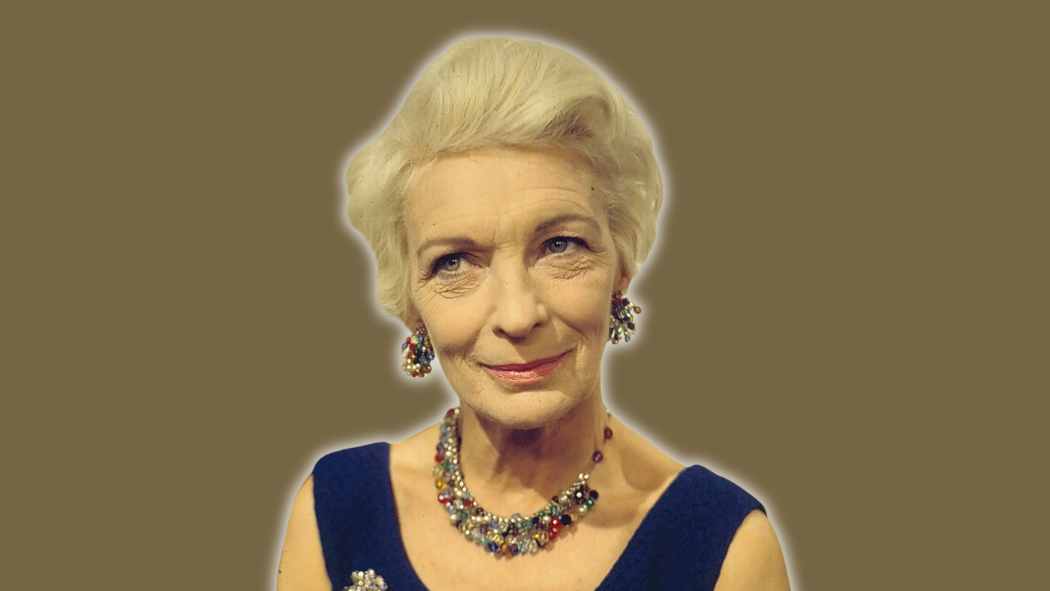
Sonia Dresdel remains one of the most compelling yet understated figures in British theatre and cinema history. With a career that spanned several decades, she carved out a reputation for intensity, emotional depth, and intellectual seriousness at a time when British acting was undergoing a major transformation. Although she never pursued celebrity in the modern sense, her influence on stage, film, and television was profound.
Early Life and Background
Sonia Dresdel was born as Lois Obee in the early twentieth century, a period marked by social change and shifting cultural expectations in Britain. Raised in England, she grew up in an environment that valued education and discipline, elements that would later shape her rigorous approach to acting. From an early age, she displayed a strong inclination towards literature, drama, and performance, finding meaning in character and storytelling rather than superficial display.
Her formative years coincided with the interwar period, when theatre in Britain was becoming more experimental and psychologically driven. This atmosphere proved influential, nurturing her interest in complex characters and emotionally challenging roles. Rather than gravitating towards light entertainment, Sonia Dresdel showed a clear preference for serious drama, a choice that would define her professional path.
Education and Acting Training
A crucial foundation of Sonia Dresdel’s success lay in her formal training. She studied at the Royal Academy of Dramatic Art, one of the most respected institutions for performing arts in the United Kingdom. At RADA, she absorbed classical techniques while also engaging with emerging ideas about realism and character psychology.
Her training emphasised voice control, physical discipline, and textual analysis, all of which became hallmarks of her performances. Fellow students and instructors recognised her intensity early on. She was not content with surface-level interpretation; instead, she sought to understand the internal motivations of every character she portrayed. This depth set her apart in an industry where strong female roles were still limited in number and scope.
Breakthrough on the British Stage
Sonia Dresdel’s stage career was the cornerstone of her professional life. She emerged during the 1940s, a challenging era for theatre due to wartime constraints but also a time of artistic resilience. Her breakthrough came through powerful performances in classical and modern plays, where she demonstrated an ability to command the stage with both restraint and emotional force.
One of her most celebrated stage roles was in a production of Hedda Gabler. Her portrayal was widely praised for its psychological complexity and refusal to soften the character’s darker traits. Critics noted that Sonia Dresdel brought an unsettling honesty to the role, presenting Hedda not as a caricature but as a deeply conflicted human being.
Her stage presence was often described as magnetic rather than flamboyant. She used stillness as effectively as movement, silence as effectively as dialogue. This approach resonated strongly with audiences who were seeking depth and authenticity in post-war British theatre.
Transition to Film and Screen Acting
Although Sonia Dresdel considered herself primarily a stage actress, her transition to film expanded her reach and solidified her reputation. British cinema in the 1940s and 1950s was increasingly focused on realism and moral complexity, making it a suitable medium for her talents.
She became particularly known for supporting roles that added emotional weight to films without overshadowing the central narrative. Her performances often conveyed inner tension, suppressed emotion, or moral ambiguity, traits that directors valued highly.
One of her most recognised film appearances was in a critically acclaimed post-war drama where she played a troubled and emotionally distant wife. Rather than relying on dramatic gestures, Sonia Dresdel conveyed the character’s inner turmoil through subtle facial expressions and controlled dialogue delivery. This understated style aligned well with the emerging British realist tradition.
Notable Film Roles and Performances
Across her filmography, Sonia Dresdel demonstrated remarkable consistency. Even in smaller roles, she brought a sense of purpose and credibility that elevated the entire production. She often portrayed women facing moral dilemmas, emotional isolation, or societal pressure, reflecting broader themes of the era.
In thrillers and dramas alike, her characters were rarely passive. Instead, they were psychologically active, even when constrained by the social norms of the time. This quality made her performances feel modern and relevant, even decades later.
Critics frequently highlighted her ability to suggest a character’s entire backstory within a single scene. Through posture, tone, and timing, Sonia Dresdel communicated layers of meaning without explicit exposition. This skill made her a favourite among directors who valued nuance over spectacle.
Work in Television
As British television expanded in the 1950s and 1960s, Sonia Dresdel adapted smoothly to the new medium. Television required a different scale of performance, with greater emphasis on subtlety due to the intimacy of the screen. Her theatre-honed discipline proved ideal for this transition.
She appeared in a range of television dramas, often portraying authoritative or emotionally complex women. These roles allowed her to reach a wider audience and introduced her work to viewers who may not have attended theatre or cinema regularly.
Her later television appearances showed a mature performer unafraid to explore vulnerability, ageing, and moral uncertainty. Rather than clinging to earlier successes, Sonia Dresdel continued to evolve, embracing roles that reflected her life experience and artistic growth.
Directing and Theatre Leadership
Beyond acting, Sonia Dresdel also contributed to theatre as a director. This phase of her career reflected her deep understanding of dramatic structure and character development. As a director, she was known for her meticulous preparation and respect for the text.
Actors who worked under her direction often spoke of her clarity and insight. She encouraged performers to engage intellectually with their roles, fostering an environment where thoughtful interpretation was valued over routine performance. Her work behind the scenes demonstrated that her commitment to theatre extended far beyond personal acclaim.
Acting Style and Artistic Philosophy
The defining feature of Sonia Dresdel’s acting style was her seriousness of purpose. She approached every role as an opportunity to explore human psychology, ethics, and emotion. There was nothing casual or superficial about her work.
She believed that acting should reveal truth rather than merely entertain. This philosophy sometimes placed her at odds with more commercial trends, but it also earned her deep respect within the profession. Her performances often challenged audiences, asking them to confront uncomfortable realities rather than offering easy resolution.
Her voice, precise diction, and controlled physicality were technical strengths, but it was her emotional intelligence that truly distinguished her. Sonia Dresdel understood the power of implication, allowing audiences to discover meaning rather than spelling it out.
Critical Reception and Industry Respect
Throughout her career, Sonia Dresdel received consistent critical praise, even if she never became a household name. Reviewers admired her courage in choosing demanding roles and her refusal to conform to stereotypical portrayals of women.
Within the industry, she was regarded as an actor’s actor, respected for her professionalism, preparation, and integrity. Younger performers often cited her as an influence, noting her dedication to craft and her intellectual approach to performance.
Her legacy is reflected not in awards or celebrity status, but in the enduring respect she commands among theatre historians and classic film scholars.
Personal Life and Character
Sonia Dresdel maintained a relatively private personal life, preferring to let her work speak for itself. This discretion added to her mystique and reinforced her image as a serious artist rather than a public personality.
Those who knew her personally described her as thoughtful, articulate, and deeply committed to the arts. She was known to engage in wide-ranging discussions about literature, philosophy, and social issues, interests that informed her choice of roles and her interpretive depth.
Legacy and Cultural Importance
Today, Sonia Dresdel is remembered as a key figure in mid-twentieth-century British acting. Her work represents a bridge between classical theatrical tradition and modern psychological realism. In an era when female roles were often limited, she demonstrated that women could embody complexity, authority, and moral ambiguity on stage and screen.
Her performances continue to be studied by students of acting, not as flashy examples, but as models of discipline, restraint, and emotional truth. Sonia Dresdel’s legacy lies in her commitment to authenticity and her belief that acting is an intellectual as well as emotional pursuit.
FAQs
Who was Sonia Dresdel best known for portraying?
Sonia Dresdel was best known for portraying psychologically complex women in stage plays, films, and television dramas, often bringing depth and realism to morally challenging roles.
Was Sonia Dresdel primarily a theatre or film actress?
She was primarily a theatre actress, though her film and television work significantly broadened her influence and public recognition.
What made Sonia Dresdel’s acting style unique?
Her acting style was marked by emotional restraint, psychological depth, and intellectual engagement with characters rather than dramatic exaggeration.
Did Sonia Dresdel work behind the scenes in theatre?
Yes, she also worked as a theatre director, where she was respected for her insight into character development and textual interpretation.
Why is Sonia Dresdel still relevant today?
She remains relevant because her performances exemplify timeless acting principles such as authenticity, discipline, and emotional intelligence.
Conclusion
Sonia Dresdel occupies a distinctive place in British cultural history. She was never driven by fame, yet she achieved lasting significance through her unwavering dedication to craft. Her work on stage, in film, and on television reflected a deep respect for storytelling and human complexity. In revisiting her career, it becomes clear that Sonia Dresdel was not simply an actress of her time, but an artist whose values and performances continue to speak to modern audiences.