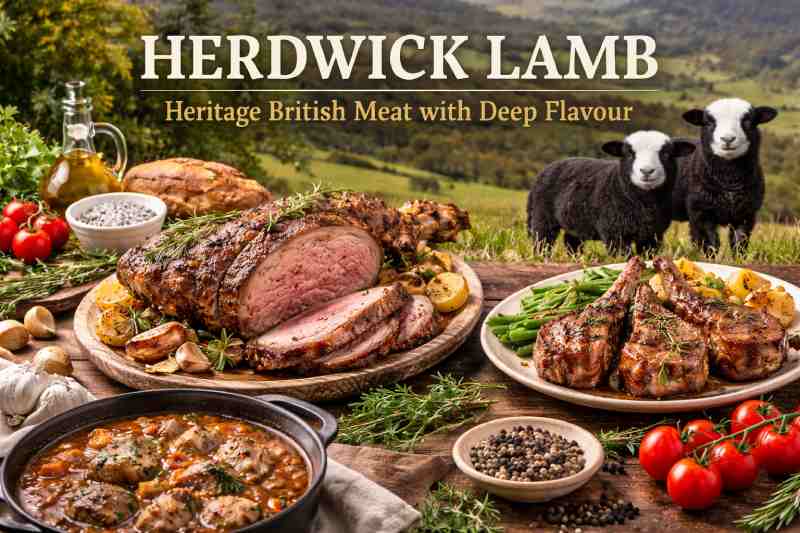
Herdwick lamb is one of Britain’s most distinctive and storied meats, rooted in the rugged landscapes and farming traditions of the Lake District. More than just a cut of lamb, it represents centuries of careful stewardship, hardiness, and flavour shaped by environment. For food lovers, chefs, and consumers who care about provenance, sustainability, and taste, herdwick lamb offers a compelling story as well as a memorable eating experience.
Understanding Herdwick Lamb
Herdwick lamb refers to meat taken from lambs of the Herdwick sheep breed, typically under one year of age. Unlike intensively farmed commercial lamb, herdwick lamb is the product of a slow, traditional system that allows animals to grow naturally on upland pasture.
The Herdwick breed itself is native to the Lake District, where it has evolved over hundreds of years to survive in harsh, exposed conditions. These sheep are not bred for rapid growth or uniform size. Instead, they are valued for resilience, strong maternal instincts, and an ability to thrive on sparse grazing.
As a result, herdwick lamb tends to be smaller in size, with a firmer texture and a deeper, more complex flavour than mass-market lamb.
The Heritage and History Behind Herdwick Lamb
Ancient Roots in the Lake District
The history of Herdwick sheep is inseparable from the Lake District. Archaeological and linguistic evidence suggests the breed may have been introduced by Norse settlers over a thousand years ago. The name itself is thought to derive from Old Norse, reflecting this long-standing connection.
For generations, Herdwick sheep have shaped the cultural and physical landscape of the fells. Their grazing patterns maintain open grassland, while their remarkable homing instinct, known as hefting, ensures that flocks remain tied to specific areas of land without fencing.
Survival Through Adversity
Herdwick sheep are famed for their toughness. They have survived harsh winters, disease outbreaks, and dramatic changes in British agriculture. During the foot-and-mouth crisis, the breed came close to extinction, yet dedicated farmers worked tirelessly to rebuild flocks and preserve this living heritage.
When you choose herdwick lamb, you are supporting not just a food product, but a farming tradition that has endured against the odds.
What Makes Herdwick Lamb Different from Other Lamb
Slow Growth and Natural Diet
Herdwick lamb grows slowly compared to commercial breeds. The lambs feed primarily on grasses, herbs, and native plants found on upland pasture. This natural diet contributes directly to the flavour of the meat.
Because the land is less fertile and the climate more demanding, growth is steady rather than accelerated. This results in meat with a tighter grain and a more pronounced taste.
Flavour Profile
Herdwick lamb is often described as having a rich, savoury flavour with subtle earthy notes. It is less mild than supermarket lamb but not overpowering. The taste reflects the varied diet and outdoor lifestyle of the animals.
Many chefs value herdwick lamb for its depth and character, particularly in slow-cooked dishes where its flavour can fully develop.
Texture and Size
Cuts of herdwick lamb are generally smaller, which can be an advantage in the kitchen. Portions feel considered rather than excessive, and the meat responds well to careful cooking.
The texture is slightly firmer, rewarding gentle preparation rather than aggressive, high-heat methods.
Farming Practices and Animal Welfare
Extensive, Low-Intensity Farming
Herdwick lamb is produced through extensive farming systems. Sheep roam freely over large areas of open land, grazing naturally rather than being confined or intensively fed.
This approach prioritises animal welfare and aligns closely with traditional British hill farming. Lambs remain with their mothers for longer, benefiting from natural rearing conditions.
Environmental Benefits
The grazing habits of Herdwick sheep play a vital role in maintaining the Lake District’s ecosystems. By controlling scrub and encouraging biodiversity, they help preserve habitats for native plants and wildlife.
Choosing herdwick lamb supports a system that balances food production with environmental stewardship.
Seasonal Nature of Herdwick Lamb
Herdwick lamb is a seasonal product, typically available from late spring through autumn. This seasonality reflects natural breeding cycles and traditional farming rhythms.
Eating seasonally not only enhances flavour but also reduces the environmental impact associated with out-of-season production. For consumers, it encourages a closer connection to the natural food calendar.
Cooking with Herdwick Lamb
Best Cuts to Choose
Because of its structure and flavour, herdwick lamb shines in certain cuts and preparations.
Shoulder and neck are ideal for slow cooking, producing tender meat and deeply flavoured sauces. Leg can be roasted gently, while chops benefit from careful grilling or pan-frying to avoid overcooking.
Cooking Techniques That Work Best
Herdwick lamb responds best to respectful cooking methods that allow its natural character to shine.
Slow roasting, braising, and stewing bring out its richness. When cooking faster cuts, aim for medium rather than rare, allowing the fat to render and the flavour to develop.
Pairing Flavours
Traditional British flavours work beautifully with herdwick lamb. Root vegetables, herbs such as rosemary and thyme, and gentle spices complement rather than mask the meat.
Because herdwick lamb has a stronger identity, it pairs well with simple accompaniments that let the lamb remain the focus of the dish.
Nutritional Qualities of Herdwick Lamb
Herdwick lamb is not only flavourful but also nutritionally valuable.
It provides high-quality protein, essential for muscle repair and overall health. It also contains important vitamins and minerals, including iron, zinc, and B vitamins.
The outdoor lifestyle and natural diet of Herdwick sheep can contribute to a favourable fat profile compared to intensively reared lamb, making it a satisfying and nourishing choice when enjoyed in moderation.
Herdwick Lamb in Modern British Cuisine
Growing Interest in Native Breeds
In recent years, there has been renewed interest in native British livestock breeds. Consumers are increasingly seeking food with a clear story, ethical production, and a sense of place.
Herdwick lamb fits perfectly into this movement, offering authenticity and traceability alongside excellent eating quality.
From Farm Shops to Fine Dining
Once considered a niche product, herdwick lamb is now featured in farm shops, independent butchers, and high-end restaurants. Chefs value it for its consistency and character, while consumers appreciate its connection to traditional farming.
This growing visibility helps ensure the future of the breed and the communities that rely on it.
Why Herdwick Lamb Appeals to Conscious Consumers
Herdwick lamb resonates with people who care about more than just taste. It represents a choice that supports rural livelihoods, protects landscapes, and values animal welfare.
In a food system often dominated by uniformity and speed, herdwick lamb offers something refreshingly different: food with integrity, history, and meaning.
Common Misconceptions About Herdwick Lamb
Some people assume that heritage breeds produce tough or difficult meat. In reality, herdwick lamb rewards appropriate cooking rather than presenting a challenge.
Others believe it is only suitable for traditional recipes. While it excels in classic British dishes, it also adapts well to modern, creative cooking when handled thoughtfully.
Understanding the breed helps dispel these myths and encourages more people to explore what herdwick lamb has to offer.
FAQs
What does herdwick lamb taste like compared to regular lamb
Herdwick lamb has a deeper, more savoury flavour than standard supermarket lamb, with subtle earthy notes from its natural upland diet.
Is herdwick lamb tougher than other lamb
It can be slightly firmer due to slower growth, but when cooked properly it is tender and highly enjoyable.
When is herdwick lamb available
Herdwick lamb is typically available from late spring through autumn, reflecting traditional seasonal farming.
Is herdwick lamb considered sustainable
Yes, it is produced through low-intensity farming that supports biodiversity, landscape management, and animal welfare.
Can herdwick lamb be used in everyday cooking
Absolutely. While it suits slow-cooked dishes particularly well, many cuts are ideal for roasts, grills, and simple home recipes.
Conclusion
Herdwick lamb stands as a powerful example of how food can reflect place, tradition, and values. From its ancient roots in the Lake District to its rich flavour and ethical production, it offers far more than a meal. It tells a story of resilience, careful farming, and respect for the land.
For those seeking lamb with character and authenticity, herdwick lamb is a standout choice. By choosing it, consumers not only enjoy exceptional flavour but also help preserve one of Britain’s most important heritage breeds and the landscapes it has shaped for centuries.