Hinton Waldrist is one of those English villages that quietly carries centuries of history without ever shouting about it. Tucked away in the rolling countryside of Oxfordshire, this small rural parish offers a rare blend of historical depth, architectural character, and traditional village life. While it may not be a bustling tourist hotspot, its charm lies precisely in its calm atmosphere, layered past, and strong sense of place.
Where Hinton Waldrist Is Located
Hinton Waldrist sits in the Vale of White Horse district of Oxfordshire, surrounded by farmland, open fields, and quiet country lanes. The village lies between Oxford and Faringdon, making it accessible while still feeling distinctly rural. For centuries, its position near the River Thames has shaped both its economy and lifestyle.
Although it is now firmly part of Oxfordshire, Hinton Waldrist historically belonged to Berkshire until county boundaries were revised in the 1970s. This dual heritage still influences how the village is perceived today.
The Origins and Meaning of the Name
The name Hinton Waldrist reflects its deep medieval roots. “Hinton” is derived from Old English, meaning a high or elevated settlement. The second part, “Waldrist,” comes from the Norman family associated with the manor after the Norman Conquest.
Together, the name tells a story of land ownership, feudal systems, and Norman influence that shaped many English villages during the Middle Ages. These linguistic traces provide valuable insight into how long the village has existed and evolved.
Early History and Medieval Development
Domesday Roots
Hinton Waldrist was recorded in the Domesday Book of 1086, confirming its existence more than nine centuries ago. At that time, it was a small agricultural settlement centred around farming, livestock, and feudal obligations.
The land was controlled by Norman lords, and like many villages of its era, local life revolved around the manor, the church, and the surrounding fields.
The Lost Castle
One of the most intriguing aspects of Hinton Waldrist’s history is the presence of a medieval motte-and-bailey castle. While the structure itself no longer stands, earthworks remain as subtle reminders of its strategic importance. The castle once served as a defensive and administrative centre, reinforcing the village’s status during turbulent medieval times.
The Parish Church and Religious Heritage
St Margaret’s Church
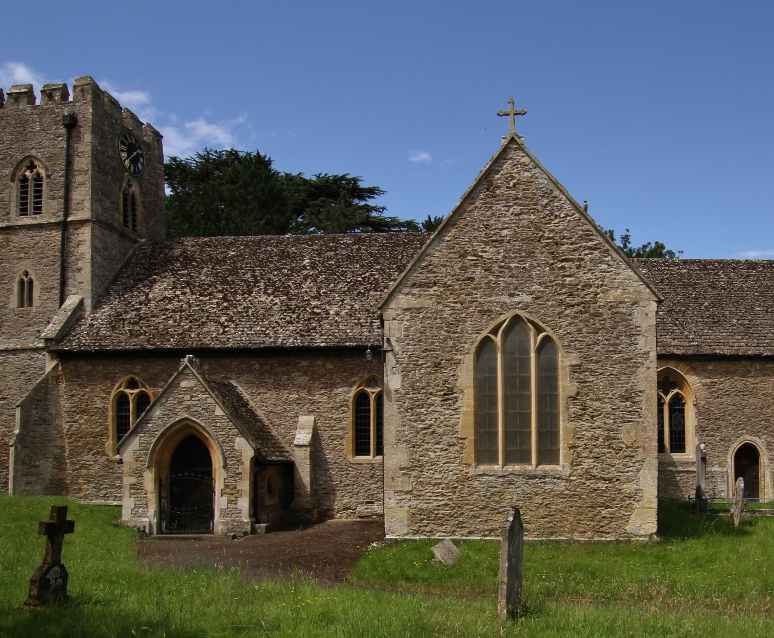
At the heart of Hinton Waldrist stands the parish church, dedicated to St Margaret. This historic building dates back to the 13th century and reflects traditional English church architecture, including a cruciform layout and stone construction.
Inside, the church preserves elements from different periods, offering a living timeline of religious practice in the village. Memorials, stained glass, and stonework tell personal stories of the families who shaped the community over generations.
Church as a Community Anchor
Beyond its architectural value, the church has always been central to village life. It served not only as a place of worship but also as a social and cultural meeting point, hosting gatherings, ceremonies, and events that strengthened local bonds.
Village Layout and Architecture
Traditional English Design
Hinton Waldrist retains a classic village layout, with stone and brick houses lining narrow lanes. Many homes reflect traditional English design, featuring pitched roofs, chimneys, and carefully maintained gardens.
The village has largely avoided large-scale modern development, preserving its historic character and ensuring that new buildings blend naturally with older structures.
The Hamlet of Duxford
The parish also includes the small hamlet of Duxford, which shares the same agricultural heritage. Together, they form a close-knit rural area that values continuity, heritage, and community spirit.
Life in Hinton Waldrist Today
A Quiet Rural Lifestyle
Modern life in Hinton Waldrist remains peaceful and community-focused. The population is small, and many residents value the slower pace that village living offers. While some locals commute to nearby towns for work, others are involved in agriculture, remote work, or local services.
The village atmosphere is shaped by mutual familiarity, neighbourly support, and respect for long-standing traditions.
Local Amenities and Daily Living
Although Hinton Waldrist does not have the extensive amenities of a town, it benefits from nearby villages and market towns. Residents rely on surrounding areas for shopping, schools, and healthcare while enjoying the tranquillity of countryside living.
Agricultural Roots and the Countryside
Farming Through the Centuries
Agriculture has always been central to Hinton Waldrist’s identity. The surrounding fields have supported crops and livestock for generations, shaping both the economy and landscape.
Even today, farmland plays a vital role in the village’s character, providing open views, seasonal rhythms, and a strong connection to the land.
Natural Beauty and Wildlife
The countryside around Hinton Waldrist is rich in wildlife, hedgerows, and open fields. Walkers and nature lovers appreciate the peaceful paths, changing seasons, and sense of openness that defines the area.
The proximity to the Thames adds ecological diversity, enhancing the village’s natural appeal.
Cultural and Historical Recognition
A Village Preserved in Time
Hinton Waldrist gained wider recognition through historical photography, which captured village life in remarkable detail during the 19th century. These images revealed everyday rural scenes and later helped historians identify the village as a valuable cultural record of Victorian England.
This recognition highlighted how villages like Hinton Waldrist offer insight into ordinary lives that shaped the nation’s past.
Why Hinton Waldrist Matters
Hinton Waldrist is not defined by grand monuments or busy attractions. Its importance lies in its continuity – a place where medieval roots, agricultural traditions, and modern rural living coexist harmoniously.
For historians, it offers tangible connections to England’s feudal and agricultural past. For residents, it provides stability, identity, and a strong sense of belonging. For visitors, it offers a glimpse into authentic village life that has largely disappeared elsewhere.
FAQs
Is Hinton Waldrist a good place to live?
Hinton Waldrist is ideal for those seeking a peaceful rural lifestyle, strong community ties, and proximity to the countryside while remaining within reach of larger towns.
What is Hinton Waldrist best known for?
The village is known for its medieval history, parish church, former castle site, and its role in preserving traditional English village life.
Does Hinton Waldrist have historical significance?
Yes, its appearance in the Domesday Book, Norman associations, and medieval structures make it historically significant.
Is Hinton Waldrist suitable for visitors?
Visitors who enjoy history, countryside walks, and quiet villages will find Hinton Waldrist appealing, even though it is not a commercial tourist destination.
How old is Hinton Waldrist?
The village has existed for over 900 years, with documented history dating back to the 11th century.
Conclusion
Hinton Waldrist stands as a quiet but powerful reminder of England’s rural heritage. From its medieval origins and lost castle to its enduring agricultural landscape and close-knit community, the village represents continuity in an ever-changing world. Its value is not measured by size or popularity but by the depth of its history and the authenticity of its way of life. For anyone seeking to understand traditional English villages, Hinton Waldrist remains a place where the past and present meet with remarkable harmony.