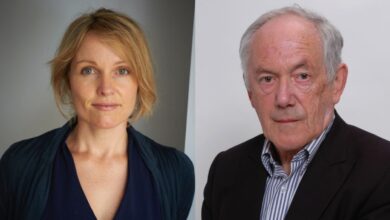
Petroc Trelawny is a name that resonates deeply within British cultural life, particularly among lovers of classical music and thoughtful broadcasting. For decades, his calm authority, intellectual curiosity, and unmistakable warmth have made him one of the most trusted voices on UK radio. More than simply a presenter, he represents a bridge between tradition and modern listening, helping classical music remain relevant, accessible, and engaging in a fast-changing media landscape.
Table of Contents
ToggleEarly Life and Formative Years
Growing Up Between Tradition and Curiosity
Petroc Trelawny was born in England in the early 1970s and spent much of his childhood in Cornwall, a region with a strong sense of identity, language, and heritage. Growing up near the coast, surrounded by dramatic landscapes and close-knit communities, helped shape his reflective nature and appreciation for history and place.
Cornwall’s cultural independence, folk traditions, and deep connection to storytelling quietly influenced his later broadcasting style. His work would come to reflect not just musical knowledge, but a storyteller’s instinct — placing music within wider human and cultural contexts.
Education and Early Interests
From a young age, he showed a fascination with radio, language, and current affairs. Unlike many broadcasters who arrive via acting or journalism, Trelawny’s route was practical and hands-on. He developed confidence behind the microphone early, learning how tone, pacing, and silence could be as powerful as words themselves.
Music was always present, but so was an interest in people — composers, performers, and listeners alike. This balance would later become one of his defining professional strengths.
First Steps into Broadcasting
Learning the Craft at Local Radio
Petroc Trelawny’s broadcasting career began at local BBC radio, where he learned the fundamentals of live presentation, news reading, and audience connection. Local radio demands adaptability: one moment discussing serious issues, the next introducing music or engaging with callers. This environment sharpened his versatility and composure.
Working at this grassroots level taught him something essential — broadcasting is not about ego, but service. The presenter exists to guide, inform, and accompany the listener, not overshadow the content.
Broadening Experience Beyond Music
Before becoming primarily associated with classical music, he gained experience in news and general programming. This wider grounding gave him confidence with complex subjects and live situations, including high-pressure broadcasts. It also explains why his later music presentation never feels insular or overly academic.
Establishing a Home at BBC Radio 3
Joining a Cultural Institution
When Petroc Trelawny joined BBC Radio 3, he entered one of the UK’s most respected cultural platforms. Radio 3 is known for its intellectual rigour, musical depth, and loyal listenership. It demands presenters who are not only knowledgeable, but also emotionally intelligent and linguistically precise.
Trelawny quickly became a familiar and reassuring presence, earning trust through clarity, preparation, and a genuine respect for both music and audience.
Becoming the Voice of the Morning
One of his most significant roles has been as a morning presenter, where tone matters enormously. Morning broadcasting requires calm authority — the ability to inform without overwhelming, to energise without noise. His voice, often described as measured and warm, became part of daily routines for thousands of listeners.
He developed a style that avoided pretension, favouring explanation over assumption. Whether introducing a Baroque cantata or a contemporary premiere, he spoke with inclusivity rather than exclusivity.
Broadcasting Style and Professional Ethos
Intelligence Without Intimidation
A defining quality of Petroc Trelawny’s broadcasting is his ability to communicate complex ideas simply, without diluting their meaning. He avoids jargon unless it serves understanding, and when specialist terms are necessary, he explains them naturally.
This approach has helped remove the perception that classical music is inaccessible or reserved for a narrow audience.
Respect for Silence and Space
Unlike many modern broadcasters, he understands the power of silence. He allows music to breathe and avoids unnecessary commentary. This restraint reflects deep respect for the art form and for listeners who value contemplation.
Empathy with Artists and Audiences
Interviews conducted by Trelawny are notable for their attentiveness. He listens closely, adapts his questions, and creates space for artists to express themselves fully. This empathy makes conversations feel collaborative rather than interrogative.
Role at Major Cultural Events
A Trusted Presence at National Moments
Beyond studio programmes, Petroc Trelawny has been a familiar voice at major national and cultural events. From introducing concerts to guiding audiences through significant broadcasts, he brings reassurance and authority when it matters most.
These appearances require not just musical knowledge, but sensitivity, diplomacy, and an awareness of wider cultural significance.
Representing British Broadcasting Abroad
His work has also taken him beyond the UK, where he has represented British cultural broadcasting internationally. These experiences have added global perspective to his commentary and reinforced the BBC’s reputation for thoughtful arts coverage.
Writing and Cultural Commentary
Exploring Identity Through Writing
In addition to broadcasting, Petroc Trelawny has expressed his cultural interests through writing. His work often reflects on landscape, memory, and identity, particularly in relation to Cornwall.
Rather than celebrity memoir, his writing reads as cultural reflection — part travelogue, part personal essay, part historical exploration. This mirrors his broadcasting voice: curious, respectful, and grounded.
A Broader Cultural Voice
Through essays, talks, and public appearances, he contributes to wider conversations about heritage, arts funding, and the role of culture in modern society. He is not a loud polemicist, but a thoughtful advocate for the value of the arts.
Challenges and Public Scrutiny
Navigating High-Profile Difficulties
Like many public figures, Petroc Trelawny has faced moments of intense public attention beyond his professional work. During such times, his measured public responses reinforced his reputation for dignity and composure.
Rather than diminishing his standing, these moments highlighted the human reality behind a familiar voice, strengthening audience connection.
Professional Integrity Under Pressure
Throughout challenges, he has maintained professional integrity and focus on his work. This consistency is a key reason for his long-term credibility within British media.
Influence on Classical Music Broadcasting
Making Classical Music Contemporary
One of Trelawny’s most significant contributions has been helping classical music feel contemporary without compromising its depth. He acknowledges modern listening habits while defending the importance of attention and immersion.
Inspiring a New Generation
Many younger broadcasters cite his work as an example of how to balance authority with humility. His career demonstrates that longevity in media comes from trust, preparation, and respect for the audience.
Preserving Standards in a Fast Media World
In an era of shortened attention spans, his broadcasting reminds listeners that depth still has a place. He represents continuity — a steady presence in a rapidly shifting media environment.
Personal Values and Public Persona
Authenticity Without Exhibition
Petroc Trelawny maintains a clear boundary between public and private life. When personal matters are shared, they are done thoughtfully, without sensationalism. This restraint enhances credibility rather than limiting connection.
Advocacy Through Presence
By simply being visible and respected within British media, he contributes quietly to representation and inclusivity. His career shows that professionalism and authenticity are not opposites, but partners.
Legacy and Ongoing Relevance
A Career Built on Trust
Longevity in broadcasting is rare, particularly in specialist fields. Trelawny’s continued relevance is rooted in trust — listeners trust his judgment, tone, and respect for music.
Still Shaping the Cultural Conversation
Far from being a figure of the past, he remains an active participant in contemporary cultural life, adapting while maintaining core values. His work continues to influence how classical music is discussed and presented in the UK.
Conclusion
Petroc Trelawny stands as one of the most respected voices in British broadcasting, not because of volume or controversy, but because of consistency, intelligence, and trust. His career demonstrates that thoughtful presentation still matters, that audiences value depth, and that classical music can thrive when guided by voices that care deeply about both art and people.
In a media world often driven by speed and noise, Petroc Trelawny remains a reminder of the enduring power of calm authority and genuine cultural stewardship.
FAQs
Who is Petroc Trelawny best known as?
Petroc Trelawny is best known as a leading British classical music broadcaster, particularly for his long-standing work on BBC Radio 3.
What makes his broadcasting style distinctive?
His style is calm, intelligent, and inclusive, combining deep knowledge with clear explanations and respect for both music and listeners.
Has he worked outside radio?
Yes, he has also written cultural works and appeared in wider broadcasting and public cultural discussions beyond radio.
Why is he important to British classical music?
He has helped make classical music accessible without simplifying it, maintaining high standards while welcoming new audiences.
Is Petroc Trelawny still active in broadcasting?
Yes, he remains an active and influential figure in British cultural broadcasting.