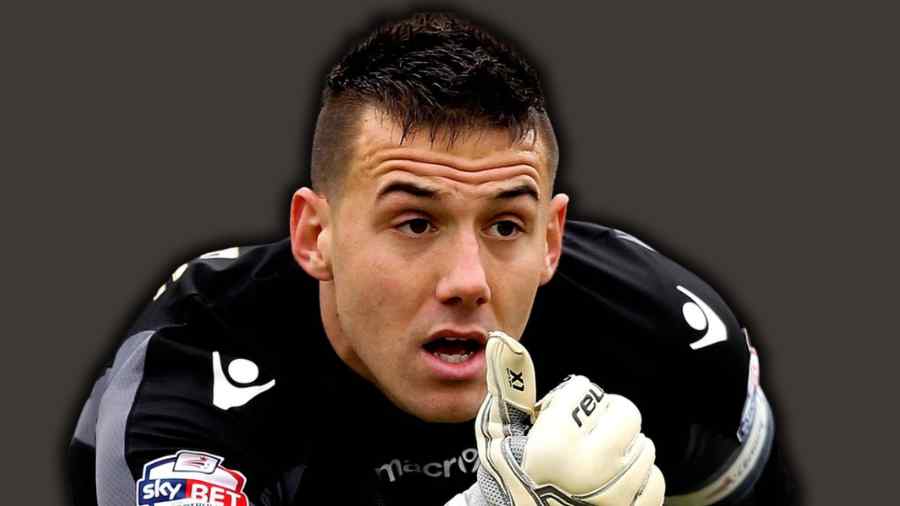
Lenny Pidgeley is a name that resonates strongly with football supporters who value resilience, adaptability, and quiet determination over constant headlines. His career is a powerful reminder that professional football is not only about superstardom but also about perseverance through change, setbacks, and reinvention. From elite academy football to the demanding realities of the lower leagues, Pidgeley’s journey reflects the true depth of the English game.
Early Life and Football Foundations
Lenny Pidgeley was born in Twickenham, London, a city with deep football roots and fierce competition for young players hoping to turn professional. Like many aspiring footballers, he showed early promise as a goalkeeper, standing out for his height, athletic build, and natural shot-stopping ability.
From a young age, Pidgeley demonstrated maturity beyond his years. Goalkeeping is a position that demands composure, communication, and confidence, and these traits were evident early in his development. His performances at youth level quickly attracted attention from top academies, eventually leading him to one of the most competitive football environments in the country.
Development at Chelsea’s Academy
Pidgeley’s progression took a major step forward when he joined Chelsea’s youth system. At the time, Chelsea were investing heavily in their academy structure, aiming to produce technically sound and mentally strong players capable of handling top-flight football.
Training at Chelsea meant competing daily with elite prospects, many of whom would go on to enjoy Premier League and international careers. For a goalkeeper, the pressure was even greater, as only one player can occupy the position at any time. Pidgeley embraced this challenge, refining his positioning, handling, and decision-making under the guidance of top-level coaches.
His consistent performances earned him professional terms, confirming his status as one of the most promising young goalkeepers in the system.
Breaking into Senior Football
Transitioning from academy football to the senior game is one of the most difficult steps in a player’s career, especially for goalkeepers. Opportunities are limited, and mistakes are often magnified. Pidgeley’s early senior career reflected these realities.
While at Chelsea, first-team appearances were rare due to the presence of experienced international goalkeepers. However, being part of a successful senior squad offered invaluable exposure to high professional standards, elite training intensity, and match preparation at the very highest level.
This period helped shape Pidgeley’s professional mindset, teaching him patience, discipline, and the importance of being ready whenever an opportunity arises.
Loan Moves and Gaining Experience
To gain regular match time, Pidgeley embarked on a series of loan moves. These spells were crucial in transforming him from a promising academy goalkeeper into a hardened professional.
Playing on loan meant adapting quickly to new managers, defensive systems, and team cultures. It also meant performing under pressure, often in clubs fighting relegation or chasing promotion. For Pidgeley, these experiences sharpened his reflexes, command of the penalty area, and leadership skills.
Unlike academy matches, senior fixtures demanded physical bravery, vocal authority, and emotional resilience. Each loan move added another layer to his development, making him a more complete goalkeeper.
Establishing Himself in the Football League
After leaving Chelsea permanently, Pidgeley built a career across the Football League, representing clubs in different divisions and environments. This phase of his career showcased his adaptability and willingness to embrace new challenges.
At various clubs, he experienced:
Promotion battles and relegation fights
Long unbeaten runs followed by difficult spells
Changes in management and club ownership
These conditions tested not only his technical ability but also his mental strength. Goalkeepers often serve as the backbone of a team, and Pidgeley frequently carried responsibility during critical moments.
His height and presence made him effective in dealing with crosses and set pieces, while his experience allowed him to organise defensive lines with authority.
Life in Non-League Football
As his career progressed, Pidgeley spent increasing time in non-league football, a level often misunderstood by those who follow only top-tier competitions. Non-league football is physically demanding, emotionally intense, and deeply rooted in local communities.
For Pidgeley, this stage was not a step backward but a continuation of his professional journey. He brought experience and professionalism to clubs where resources were limited but passion was abundant.
Non-league matches are played in challenging conditions, on varied pitches, and in front of supporters who live and breathe their club. These experiences further demonstrated Pidgeley’s love for the game and his refusal to walk away simply because the spotlight had faded.
International Youth Representation
An important but sometimes overlooked aspect of Pidgeley’s career is his involvement with England’s youth national teams. Representing one’s country at any level is a significant achievement and a testament to a player’s quality during their formative years.
At youth international level, Pidgeley competed against some of the best young talents in Europe, gaining exposure to different playing styles and tactical approaches. These experiences helped broaden his understanding of the game and reinforced his belief that he belonged at a high level.
Goalkeeping Style and Strengths
Lenny Pidgeley was known primarily as a traditional goalkeeper with modern attributes. His strengths included:
Strong shot-stopping ability
Confident handling under pressure
Command of his penalty area
Physical presence during aerial duels
He was not defined by flamboyance but by reliability. Managers valued his professionalism and his readiness to step in whenever required. In many squads, he served as a stabilising influence, particularly during periods of transition or uncertainty.
The Mental Side of a Football Career
One of the most important lessons from Pidgeley’s story lies in the mental demands of professional football. Constant competition, uncertainty over contracts, and the pressure to perform can take a significant toll.
Pidgeley’s career highlights the emotional realities faced by many players who operate outside the global spotlight. Maintaining confidence, motivation, and self-belief over many years requires strength that often goes unseen by supporters.
His journey contributes to wider conversations within football about player welfare, mental health, and the importance of support systems during and after a playing career.
Retirement and Life Beyond the Pitch
Eventually, like all footballers, Pidgeley reached the point where stepping away from the professional game became inevitable. Retirement marked the end of one chapter but also the beginning of another.
Life after football brings its own challenges. Players must redefine their identity, find new routines, and adapt to a world without weekly matches and training sessions. Pidgeley’s post-playing experiences underline how vital preparation and guidance are for athletes transitioning into life beyond the pitch.
His story has helped raise awareness of the need for better long-term support structures for professional footballers.
Legacy and What His Career Represents
Lenny Pidgeley may not be remembered for record-breaking transfers or international trophies, but his career represents something equally important: longevity, professionalism, and resilience.
He is a symbol of the thousands of footballers who dedicate their lives to the sport, moving between clubs, adapting to circumstances, and continuing to compete long after public attention has shifted elsewhere.
For young players, his journey offers valuable lessons:
Success takes many forms
Careers are rarely linear
Commitment and character matter as much as talent
Conclusion
Lenny Pidgeley embodies the true spirit of English football. His career spanned elite academies, competitive league football, and the passionate world of non-league clubs, offering a complete picture of life as a professional goalkeeper.
Through discipline, adaptability, and quiet determination, he carved out a career that deserves recognition and respect. His story reminds us that football’s greatest value is not only found in silverware and headlines, but in perseverance, contribution, and love for the game itself.