Dringhouses Library stands as far more than a place to borrow books. For decades, it has been a trusted space for learning, quiet reflection, creativity, and community connection in one of York’s most established residential areas. Rooted in local history yet responsive to modern needs, the library continues to adapt while holding firmly to its original purpose: serving people. From children discovering the joy of reading to older residents seeking companionship, information, or digital access, this library plays a vital role in everyday life.
The Setting and Local Identity
Dringhouses is a suburban area to the south-west of York, known for its long-standing residential streets, schools, and local amenities. The library fits naturally into this environment, acting as a shared space where different generations meet. Unlike large city-centre libraries that often feel busy and impersonal, Dringhouses Library offers a quieter, more personal experience. Regular visitors are greeted by familiar faces, and newcomers are quickly made to feel at ease.
The surrounding neighbourhood influences the library’s rhythm. School-time afternoons bring families and children, while mornings often see retirees, remote workers, and students making use of the calm atmosphere. This steady pattern helps the library remain grounded in the daily life of the area rather than operating as a detached public service.
A Building with History and Character
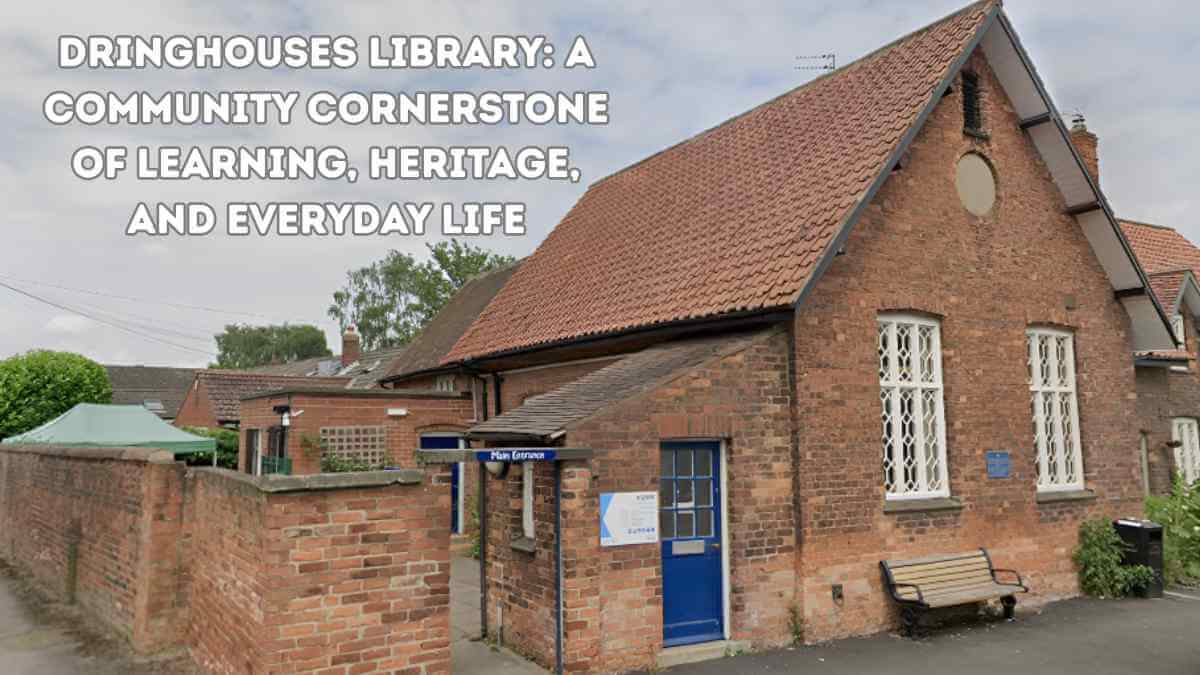
One of the most distinctive features of Dringhouses Library is its building. Long before it became a modern public library, the structure served other educational and communal purposes. Originally built in the nineteenth century, it has evolved alongside the community, adapting to changing needs while preserving its historical character.
The building’s traditional architecture offers a sense of continuity. Thick walls, tall windows, and a solid structure remind visitors that learning and shared knowledge have always been valued here. This historical presence adds depth to the library experience, making each visit feel connected to generations of readers who came before.
While the interior has been updated to support modern library services, care has been taken to respect the building’s heritage. This balance between preservation and practicality reflects the broader philosophy of the library itself: honouring the past while embracing the present.
A Welcoming Space for All Ages
Dringhouses Library is designed to be inclusive and accessible. The layout is simple and intuitive, making it easy for visitors to find what they need without feeling overwhelmed. Seating areas provide comfortable spots for reading or quiet work, while clearly marked sections help users navigate the collection.
Children are particularly well catered for. Bright displays, age-appropriate shelving, and inviting reading corners encourage young readers to explore books independently. Parents appreciate the calm, safe environment where children can develop early literacy skills without pressure.
For adults, the library offers a peaceful alternative to busy cafés or home working. Whether someone is studying, researching, or simply enjoying a novel, the atmosphere supports concentration and relaxation.
Books and Reading Resources
At the heart of Dringhouses Library lies its book collection. Carefully curated rather than vast, it reflects the interests and needs of the local population. Fiction shelves include popular contemporary novels, classic literature, and genre favourites, ensuring there is something for every taste. Non-fiction titles cover practical subjects, history, health, travel, and personal development.
Children’s books form a particularly strong part of the collection. Picture books, early readers, and young adult fiction are regularly refreshed, helping to keep young readers engaged. Seasonal displays often highlight themes such as holidays, local history, or national reading campaigns.
The library also supports reading beyond physical books. Audiobooks and digital lending services allow users to access stories in ways that suit their lifestyles, whether commuting, exercising, or managing visual impairments.
Digital Access and Modern Services
In today’s world, access to technology is essential, and Dringhouses Library recognises this reality. Public computers and internet access provide vital support for those without reliable digital facilities at home. These services are used for job searches, online forms, research, and staying in touch with family and friends.
Library staff play an important role in helping visitors navigate digital systems. From setting up email accounts to understanding online applications, staff offer patient guidance without judgement. This support is particularly valuable for older residents or those new to digital technology.
Printing and scanning facilities further enhance the library’s usefulness, making it a practical resource for everyday tasks as well as learning and leisure.
Community Activities and Social Connection
Beyond books and computers, Dringhouses Library functions as a social hub. Regular activities bring people together, reducing isolation and strengthening local ties. Story-time sessions introduce children to group reading in a fun, relaxed way, helping them build confidence and communication skills.
Adult reading groups provide opportunities for discussion and shared enjoyment of literature. These gatherings often become social highlights, fostering friendships alongside intellectual engagement. Creative and craft-based sessions attract those who enjoy hands-on activities and informal conversation.
The value of these events extends beyond entertainment. They contribute to wellbeing, mental health, and a sense of belonging, all of which are increasingly recognised as essential aspects of community life.
Educational Support and Lifelong Learning
Dringhouses Library supports learning at every stage of life. For school-aged children, it offers a quiet place for homework and independent study. Access to reference materials and online resources complements school education, encouraging curiosity and self-directed learning.
Adults use the library for professional development, personal research, and skill-building. Whether studying for qualifications, learning a new hobby, or exploring a subject of interest, visitors benefit from free access to information in a supportive environment.
The library also promotes literacy as a lifelong skill, challenging the idea that reading is only for the young or academically inclined. By making books and learning accessible and enjoyable, it encourages continued intellectual growth.
The Role of Staff and Volunteers
A key strength of Dringhouses Library lies in its people. Librarians and support staff bring knowledge, warmth, and professionalism to their roles. They are not simply custodians of books but guides, listeners, and community connectors.
Staff understand local needs and adapt services accordingly. This personal awareness makes the library feel responsive rather than bureaucratic. Volunteers also contribute significantly, supporting events, assisting visitors, and helping maintain the welcoming atmosphere.
The relationships built between staff, volunteers, and users give the library its human character. These connections transform the space from a service point into a community home.
Accessibility and Inclusivity
Inclusivity is central to the library’s mission. Physical access considerations, clear signage, and supportive staff ensure that people with different abilities can use the library comfortably. Quiet spaces and predictable routines help those who may feel anxious in busier environments.
The library’s approach is based on respect and understanding. Visitors are encouraged to use the space in ways that suit them, whether that means active participation in events or quiet solitary reading. This flexibility allows the library to serve a diverse population with dignity.
The Library in a Changing World
Public libraries face ongoing challenges, from funding pressures to changing reading habits. Dringhouses Library meets these challenges by remaining adaptable. While digital resources have grown in importance, the library continues to emphasise the irreplaceable value of physical space and human interaction.
The library’s ability to balance tradition and innovation ensures its relevance. By embracing new technologies while maintaining its core values, it demonstrates how local libraries can thrive in a rapidly changing society.
Why Dringhouses Library Still Matters
In an age of online information and instant communication, some may question the role of local libraries. Dringhouses Library provides a clear answer: it matters because people matter. It offers something that cannot be downloaded or replaced by algorithms — a shared, trusted space rooted in care and community.
For residents, the library is a constant. It marks the passage of time through childhood visits, adult study, and later-life reflection. Its quiet presence supports learning, wellbeing, and connection in ways that extend far beyond its walls.
Conclusion
Dringhouses Library remains a vital part of local life because it understands its purpose. It is not simply about books or buildings but about people, access, and belonging. Through its history, services, and community focus, the library continues to enrich lives in practical and meaningful ways. As long as there is a need for shared knowledge, quiet refuge, and human connection, Dringhouses Library will remain an essential cornerstone of the community it serves.