Conker crafts have long been a cherished part of autumn traditions, especially across the UK, where horse chestnut trees scatter their glossy brown seeds across parks, schoolyards, and country lanes. What begins as a simple seasonal walk often turns into a creative adventure, with pockets filled with conkers ready to be transformed into imaginative works of art. Conker crafts are more than just children’s pastimes; they represent creativity, sustainability, learning, and a meaningful connection with nature.
In an age dominated by screens and ready-made toys, conker crafts offer something refreshingly different. They encourage hands-on exploration, patience, and originality, while also fostering family bonding and community traditions. From simple animal figures to decorative displays and educational projects, conker crafts continue to inspire people of all ages.
The Cultural Roots of Conker Crafts
Conkers hold a special place in British culture. Traditionally associated with the childhood game of conkers, these shiny seeds have also been used for generations in seasonal crafts. Before mass-produced decorations were readily available, families relied on natural materials for creative expression, especially during autumn.
Conker crafts emerged from this tradition of making do with what nature provided. Alongside leaves, acorns, twigs, and berries, conkers became a staple crafting material. Schools and nurseries embraced them as part of seasonal learning, while parents saw them as an inexpensive way to entertain children during shorter autumn days.
Over time, conker crafts became symbolic of creativity rooted in nature, reflecting values of simplicity, imagination, and respect for the environment.
Why Conker Crafts Remain Popular Today
Despite modern advancements, conker crafts remain relevant and appealing. One key reason is their accessibility. Conkers are freely available during autumn, making them an inclusive creative resource for families regardless of budget.
Another reason is the growing interest in eco-friendly and sustainable living. Conker crafts align perfectly with these values, as they use natural, biodegradable materials and encourage reuse rather than consumption.
Additionally, conker crafts offer a break from digital overstimulation. They invite children and adults alike to slow down, focus, and engage their senses. The tactile experience of handling natural objects adds depth to the creative process that digital alternatives often lack.
Preparing Conkers for Crafting
Before beginning any conker craft project, preparation is important. Freshly collected conkers are firm and shiny, making them ideal for crafting. However, they can dry out and crack over time, so it is best to use them within a few days of collection.
To prepare conkers:
Wipe them clean with a dry cloth to remove dirt.
Allow them to air-dry naturally if they are damp.
Store them in a cool place until ready to use.
Some crafters lightly varnish conkers to preserve their shine, although this is optional and depends on whether the finished piece is decorative or temporary.
Classic Conker Craft Ideas
Conker crafts are incredibly versatile, limited only by imagination. Some classic ideas include:
Conker Animals
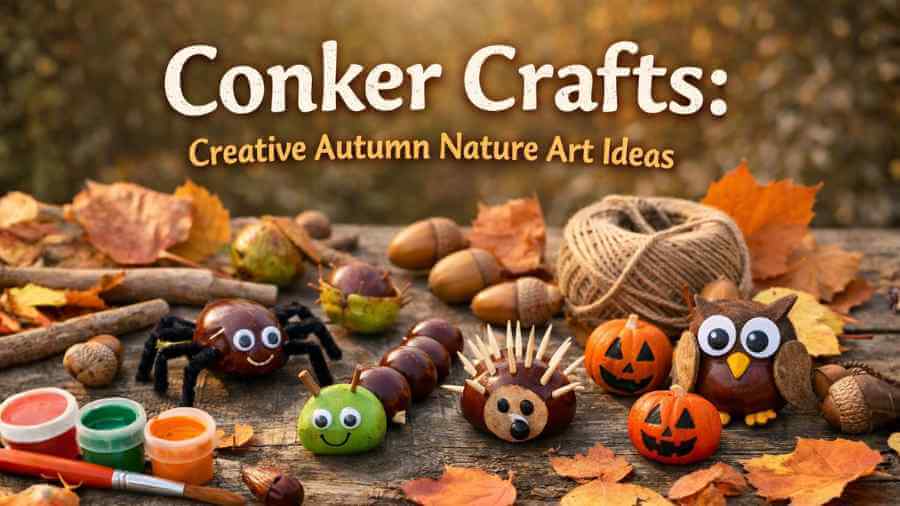
One of the most popular forms of conker crafts involves creating animals. Spiders, caterpillars, hedgehogs, and snails can be made by connecting conkers with cocktail sticks or matches. Adding googly eyes, felt, or pipe cleaners brings these creations to life.
Conker People and Characters
By combining conkers of different sizes, it is possible to create figures representing people or fictional characters. Simple accessories such as fabric scraps or yarn can be used for clothing and hair.
Decorative Displays
Conkers can be arranged in bowls, wreaths, or centrepieces alongside autumn leaves and candles. These displays add a seasonal touch to homes and classrooms.
Painted Conkers
Painting conkers opens up endless creative possibilities. They can be turned into ladybirds, pumpkins, or abstract art pieces, making them suitable for both children and adults.
Educational Benefits of Conker Crafts
Conker crafts are not only enjoyable but also highly educational. They support learning in multiple areas, making them popular in early years education and primary schools.
Fine Motor Skills
Handling small objects, inserting sticks, and painting details help develop hand-eye coordination and fine motor control.
Creativity and Imagination
Conker crafts encourage open-ended creativity. There is no single correct outcome, allowing children to explore ideas freely and build confidence in their creative abilities.
Problem-Solving Skills
Deciding how to connect conkers or balance a structure fosters critical thinking and experimentation.
Nature Awareness
Using natural materials helps children understand seasonal cycles and appreciate the environment. It also opens discussions about trees, plants, and wildlife.
Conker Crafts for Adults
While often associated with children, conker crafts also appeal to adults. Many people find the process calming and meditative, making it a form of mindful creativity.
Adults often use conkers in:
Seasonal home décor
Table centrepieces for autumn gatherings
Craft workshops and community events
Artistic installations inspired by nature
Conker crafts can also be a social activity, bringing friends or family together for relaxed, creative sessions.
Safety Considerations When Making Conker Crafts
Although conker crafts are generally safe, some precautions are necessary, particularly when children are involved.
Cocktail sticks or sharp tools should only be used under adult supervision.
Conkers should not be eaten, as they are not edible.
Younger children may benefit from using glue instead of sharp connectors.
Finished crafts should be stored safely to avoid choking hazards for pets or toddlers.
By following simple safety guidelines, conker crafts can remain a positive and enjoyable experience.
Sustainability and Environmental Value
Conker crafts naturally support sustainable practices. They encourage the use of renewable, biodegradable materials and reduce reliance on plastic or synthetic craft supplies.
Collecting conkers also promotes outdoor activity and environmental awareness. Children learn to respect nature by taking only what they need and leaving habitats undisturbed.
In a broader sense, conker crafts reflect a return to slower, more mindful living. They remind us that creativity does not require expensive materials, only curiosity and imagination.
Conker Crafts in Schools and Communities
Many schools integrate conker crafts into autumn curricula. They are used in art lessons, science discussions, and even maths activities such as counting and pattern-making.
Community centres and libraries often host seasonal craft sessions centred around conkers. These events foster social connection, creativity, and intergenerational learning.
Conker crafts also feature in autumn fairs and harvest festivals, where they celebrate local traditions and seasonal abundance.
Modern Interpretations of Conker Crafts
While traditional conker crafts remain popular, modern interpretations have expanded their scope. Contemporary crafters experiment with mixed media, combining conkers with clay, fabric, or recycled materials.
Social media has also played a role in revitalising interest in conker crafts, with people sharing creative ideas and showcasing their work. This has introduced conker crafts to new audiences and inspired innovative approaches.
Despite these modern influences, the essence of conker crafts remains unchanged: creativity rooted in nature.
Encouraging Children to Explore Conker Crafts
To encourage children to engage with conker crafts:
Involve them in collecting conkers during walks.
Provide simple tools and allow freedom of expression.
Praise creativity rather than focusing on perfection.
Use conker crafts as storytelling prompts or learning tools.
By framing conker crafts as an enjoyable exploration rather than a structured task, children are more likely to engage enthusiastically and creatively.
Conclusion
Conker crafts are a timeless expression of creativity, tradition, and connection with nature. They bridge generations, bringing together childhood nostalgia and modern sustainability values. Whether used as an educational tool, a family activity, or a form of mindful creativity, conker crafts continue to hold relevance in today’s world.
By embracing conker crafts, we celebrate the beauty of simplicity and the joy of creating something meaningful from what nature provides. In doing so, we not only preserve a cherished autumn tradition but also nurture creativity, environmental awareness, and human connection for years to come.