Brian Greenhoff: The Complete Story of a Tough, Intelligent and Underrated English Footballer

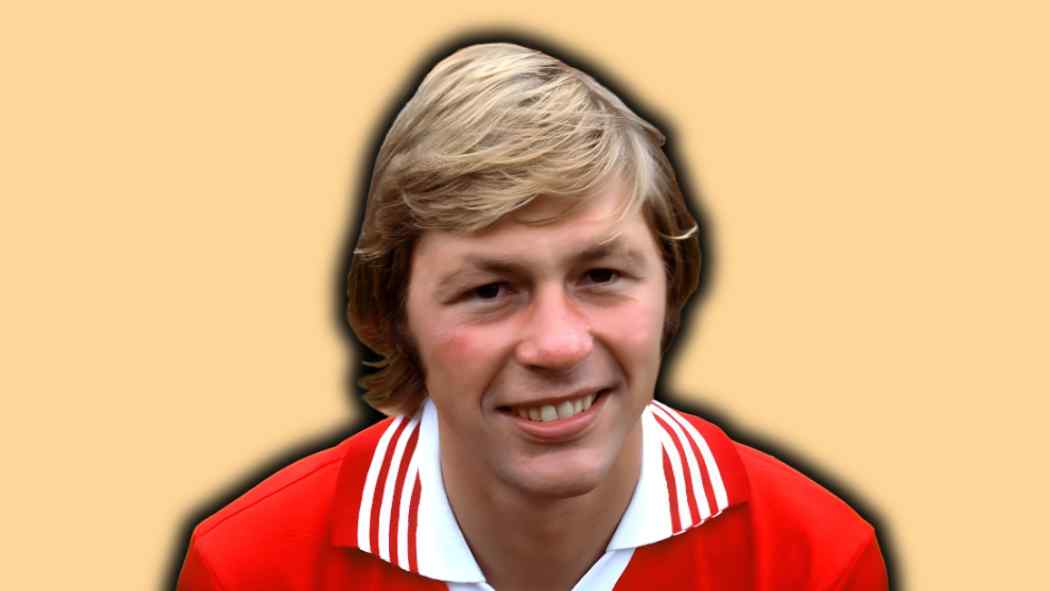
The history of English football is often dominated by glamorous attackers, headline-grabbing goals, and players whose reputations were shaped by flair rather than function. Yet the game has always depended just as much on intelligent defenders and disciplined midfielders who quietly shaped results week after week. Brian Greenhoff belongs firmly in this latter category.
Brian Greenhoff was not a footballer who chased attention. Instead, he built his career on reliability, versatility, and tactical awareness. Across more than a decade at the top level of English football, he represented some of the country’s most famous clubs, earned international recognition with England, and played a vital role in one of Manchester United’s most memorable cup victories. His story is one of professionalism, adaptability, and deep understanding of the game.
Early Life and Football Foundations
Brian Greenhoff was born on 28 April 1953 in Barnsley, South Yorkshire, a region with a strong footballing culture. Growing up in a working-class environment, football was not just recreation but part of everyday life. From an early age, Greenhoff showed a natural understanding of the game, combining physical resilience with an unusually calm footballing brain.
His abilities were recognised during his school years when he represented Yorkshire Schoolboys, a pathway that had produced many future professionals. Scouts quickly noticed his composure on the ball and his positional discipline, qualities that would define his professional career. Unlike many young players who relied on raw pace or power, Greenhoff stood out for reading the game well and making smart decisions under pressure.
In 1968, while still a teenager, he joined the youth system at Manchester United, a club rebuilding its identity after the tragedies and transitions of the 1960s. It was a defining move that would shape the rest of his footballing life.
Rising Through the Ranks at Manchester United
Greenhoff turned professional with Manchester United in 1970, entering a highly competitive environment where only the most disciplined and mentally strong players survived. The early 1970s were a turbulent period for the club, marked by relegation, promotion, and structural change. For young players, this instability presented both challenges and opportunities.
He made his first-team debut in 1973 and gradually established himself as a dependable presence. One of Greenhoff’s greatest strengths was his versatility. Although naturally a defender, he was equally comfortable playing in midfield, often being deployed wherever the team most needed stability.
Managers valued him because he could be trusted to follow instructions precisely. He tackled cleanly, passed simply, and rarely lost concentration. While he did not dominate headlines, teammates and coaches appreciated how his presence allowed more creative players to perform with confidence.
A Key Figure in a Transitional Era
During the mid-1970s, Manchester United were redefining themselves. Greenhoff became a regular starter during this period, contributing to the club’s return to the First Division and its re-emergence as a competitive force. His understanding with fellow defenders was central to United’s improved defensive structure.
Greenhoff was particularly admired for his composure in high-pressure matches. He was not prone to reckless challenges or emotional reactions, instead preferring to anticipate danger and neutralise it early. This made him especially effective against physically strong opponents and quick attackers alike.
Over the course of his Manchester United career, he made more than 270 appearances in all competitions, a testament to his durability and consistency. For nearly a decade, he was one of the club’s most reliable performers.
The 1977 FA Cup Triumph
The defining moment of Brian Greenhoff’s club career came in 1977, when Manchester United reached the FA Cup final against their city rivals. The match carried enormous significance, both historically and emotionally, for players and supporters alike.
Greenhoff played a crucial role in the final, demonstrating exactly why he was trusted in major matches. His disciplined defensive work helped neutralise attacking threats, while his positional awareness ensured the team maintained its shape throughout the contest. Manchester United emerged victorious, securing a famous FA Cup win that remains one of the club’s most celebrated moments.
For Greenhoff, the triumph was a reward for years of dedication and professionalism. While goal scorers often receive the most attention, those who watched closely understood how vital players like Greenhoff were to that success.
International Recognition with England
Greenhoff’s consistent performances at club level did not go unnoticed. Between 1976 and 1980, he earned multiple caps for the England national football team, representing his country during a competitive era.
Although he was not always a guaranteed starter, his selection reflected the respect he commanded within English football. International managers valued his tactical discipline and ability to adapt to different roles depending on the opposition.
Playing for England exposed Greenhoff to a higher level of scrutiny and competition, yet he handled the responsibility with the same calm assurance that defined his club career. His international appearances further cemented his reputation as a dependable and intelligent footballer.
Move to Leeds United and Career Evolution
In 1979, after many successful seasons at Old Trafford, Greenhoff transferred to Leeds United. The move marked a new chapter in his career and reflected his desire for a fresh challenge.
At Leeds, he brought experience and leadership to a squad undergoing transition. Although the club faced its own struggles during this period, Greenhoff remained a steady influence on and off the pitch. He continued to demonstrate versatility, often guiding younger players and maintaining high professional standards.
As his playing career progressed, Greenhoff became increasingly involved in mentoring roles, showing an interest in the strategic and instructional side of football. This natural evolution hinted at his suitability for coaching and leadership beyond his playing days.
Playing Abroad and Final Years on the Pitch
Towards the later stages of his career, Greenhoff explored opportunities beyond the traditional English league system. He played in countries such as South Africa and Finland, experiences that broadened his understanding of football cultures and styles.
These international stints allowed him to combine playing with coaching responsibilities, reinforcing his reputation as a thoughtful and knowledgeable football figure. Eventually, he returned to England, where he finished his playing career with Rochdale, once again alongside his brother.
By the time he retired, Greenhoff had accumulated a wealth of experience across different leagues, roles, and footballing environments, all of which contributed to his respected standing within the game.
Personality, Playing Style and Professional Values
Brian Greenhoff was widely admired for his humility and work ethic. He was not interested in celebrity status or controversy, preferring to let his football speak for itself. Teammates often described him as dependable, disciplined, and supportive, qualities that made him a valued presence in any squad.
On the pitch, his playing style was based on anticipation rather than aggression. He read opponents well, intercepted passes intelligently, and rarely wasted possession. These traits made him particularly effective in an era of physical football, where calm decision-making was often in short supply.
Off the pitch, Greenhoff remained grounded and approachable, earning respect from supporters and colleagues alike.
Life After Football and Legacy
After retiring, Greenhoff remained connected to football through coaching, mentoring, and occasional media work. He also documented his experiences in an autobiography, offering insights into the realities of professional football beyond the glamour.
Tragically, Brian Greenhoff passed away in May 2013 at the age of 60. His death was met with tributes from former teammates, clubs, and supporters who recognised his contribution to English football.
Today, he is remembered as a player who embodied professionalism, resilience, and intelligence. While he may not always feature in popular debates about footballing legends, those who understand the game deeply appreciate his importance.
Conclusion
Brian Greenhoff’s career serves as a reminder that football greatness is not defined solely by goals or fame. Through consistency, versatility, and tactical intelligence, he carved out a respected place in the history of English football. From Manchester United’s rebuilding years to FA Cup glory, from England caps to mentoring younger players, Greenhoff’s journey reflects the enduring value of discipline and professionalism.
His legacy lives on as an example for aspiring footballers who understand that true impact often comes from doing the fundamentals exceptionally well, season after season.