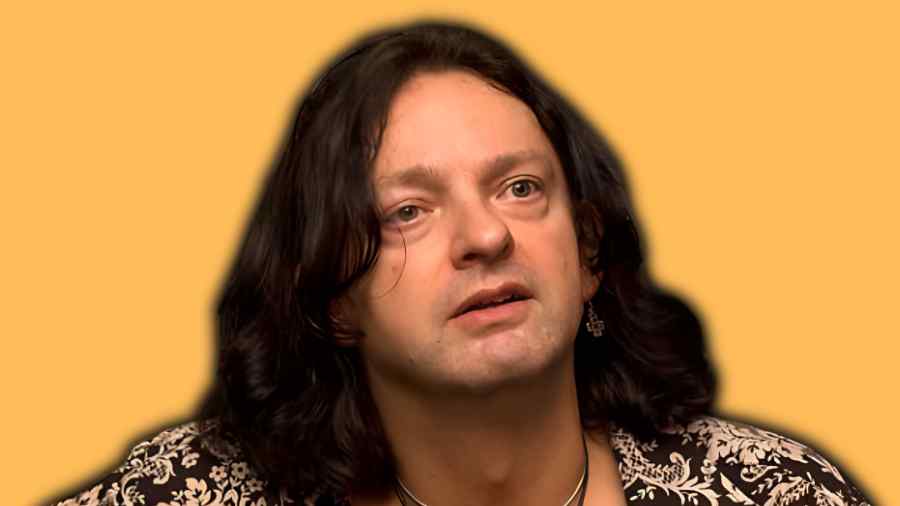
Dave Kilminster is widely regarded as one of the most accomplished and musically intelligent guitarists to emerge from the United Kingdom in the modern progressive rock era. While he may not chase celebrity status or mainstream headlines, his influence is deeply felt across live performance, studio work, music education, and long-term collaborations with some of the most respected names in rock history. His playing is not defined by excess or gimmickry, but by taste, emotional control, and an unwavering respect for the song itself.
Early Life and Musical Foundations
Dave Kilminster was born in England in the early 1960s and was introduced to music at a young age. His earliest formal training was on the piano, which gave him a strong grounding in harmony, melody, and structure. This early exposure to keyboard instruments would later influence his approach to the guitar, particularly his understanding of chord voicings and musical phrasing.
As a teenager, Kilminster transitioned to the guitar, quickly discovering that it offered a more direct and expressive outlet for his musical ideas. Rather than focusing solely on speed or technique, he developed an interest in tone, dynamics, and emotional storytelling through sound. These priorities would become defining features of his career.
During his formative years, he was also involved in vocal music, including participation in a barbershop quartet. This experience sharpened his ear for harmony and strengthened his sense of ensemble playing, skills that would later serve him well in complex live band environments.
The Turning Point: Recognition and Early Career
Dave Kilminster’s professional breakthrough came in the early 1990s when he gained major recognition within the UK guitar community. Winning a prestigious guitarist award for an original instrumental composition marked a significant turning point. This achievement was not merely about technical skill; it highlighted his ability to write memorable, emotionally engaging music.
Following this recognition, Kilminster began balancing multiple roles in the music industry. He worked as a performer, composer, session musician, and educator. Unlike many guitarists who focus exclusively on one path, he embraced the diversity of musical work, allowing each role to inform and strengthen the others.
His early career also included teaching positions at respected music institutions in England. Teaching did not dilute his artistry; instead, it refined his understanding of technique and musical communication. Explaining complex ideas to students helped him articulate his own approach more clearly and reinforced his belief that music should always serve expression rather than ego.
Developing a Distinctive Guitar Voice
One of the most striking aspects of Dave Kilminster’s musicianship is the clarity of his guitar voice. His playing is immediately recognisable, yet never repetitive or predictable. He combines technical fluency with restraint, allowing space and silence to play an active role in his music.
Tonally, Kilminster favours sounds that are warm, articulate, and responsive to touch. He is known for using clean and lightly overdriven tones that respond dynamically to picking strength and finger pressure. This approach allows subtle emotional shifts within a single phrase, making his solos feel conversational rather than declarative.
Technically, he is capable of advanced techniques such as legato, tapping, and complex rhythmic phrasing. However, these tools are always applied with intention. He avoids overplaying, preferring lines that enhance the narrative of the music rather than draw attention to themselves.
Major Collaborations and Live Performance Legacy
Dave Kilminster’s reputation grew substantially through his long-standing collaboration with Roger Waters, one of the most influential figures in rock history. Serving as lead guitarist in Waters’ touring band placed Kilminster in the demanding position of interpreting some of the most iconic guitar parts ever written.
Rather than attempting to imitate another guitarist’s style note for note, Kilminster approached the material with respect and musical intelligence. He captured the spirit, tone, and emotional intent of the original performances while allowing his own personality to shine through. This balance earned him widespread respect from fans and critics alike.
Performing on large-scale world tours required not only technical precision but also consistency, stamina, and emotional control. Night after night, Kilminster delivered performances that honoured the legacy of the music while maintaining a high standard of musicianship. His ability to adapt to different venues, acoustics, and audience expectations further cemented his reputation as a world-class live performer.
Beyond this high-profile collaboration, he has also worked with numerous other artists across progressive rock and related genres. These partnerships showcased his versatility and ability to integrate seamlessly into different musical contexts.
Songwriting and Solo Work
While Dave Kilminster is often celebrated for his collaborative work, his solo material reveals a deeply personal and thoughtful songwriter. His compositions explore themes of introspection, human connection, and emotional resilience. Rather than relying on complex arrangements, he focuses on strong melodies and honest expression.
His solo albums often blend acoustic and electric elements, highlighting his versatility as both a guitarist and a vocalist. The lyrics are reflective and understated, avoiding clichés while addressing universal experiences. This authenticity gives his solo work a timeless quality that rewards repeated listening.
In the studio, Kilminster approaches recording with the same discipline and musical sensitivity that defines his live performances. He pays close attention to arrangement, tone selection, and overall atmosphere, ensuring that each track serves a clear artistic purpose.
Teaching, Mentorship, and Educational Impact
Education has always been a central pillar of Dave Kilminster’s career. As a teacher and mentor, he is known for emphasising musical understanding over mechanical repetition. He encourages students to listen deeply, develop their own voices, and focus on emotional communication rather than technical display.
His teaching philosophy is rooted in the belief that technique should serve expression. While he does not shy away from technical development, he frames it as a means to an end rather than an end in itself. This approach has influenced countless students, many of whom have gone on to professional careers in music.
Kilminster’s contributions to guitar education extend beyond the classroom. Through workshops, masterclasses, and written material, he has shared insights into practice methods, tone shaping, and performance psychology. His guidance is practical, grounded, and informed by decades of real-world experience.
Musical Philosophy and Artistic Integrity
At the heart of Dave Kilminster’s work lies a strong sense of artistic integrity. He approaches music as a form of communication rather than competition. This mindset shapes every aspect of his career, from the notes he chooses to play to the projects he chooses to accept.
He values collaboration, listening, and humility, qualities that are sometimes overlooked in an industry driven by visibility and self-promotion. By prioritising the music itself, he has built a career that is both sustainable and deeply respected.
His philosophy also includes adaptability. Whether performing complex progressive rock, stripped-down acoustic pieces, or large-scale arena shows, he adjusts his playing to suit the context. This flexibility is a key reason why he remains in demand across diverse musical environments.
Influence on Modern Guitar Culture
Dave Kilminster’s influence extends far beyond his recorded output. He represents a model of musicianship that values depth over flash and substance over spectacle. For many aspiring guitarists, he serves as proof that it is possible to build a successful career without compromising artistic values.
His example encourages musicians to focus on long-term growth, musical literacy, and emotional honesty. In an era dominated by short-form content and instant recognition, his career demonstrates the enduring power of craftsmanship and dedication.
Younger players often cite his live performances as transformative experiences, noting the way he shapes solos with patience and purpose. His ability to elevate familiar material while maintaining its emotional core is a lesson in respect for musical heritage.
Conclusion
Dave Kilminster stands as a shining example of what it means to be a complete musician. Through his work as a guitarist, songwriter, educator, and collaborator, he has contributed meaningfully to modern progressive music while maintaining a quiet humility and unwavering commitment to quality.
His career reminds us that true musical impact is not measured by fame alone, but by consistency, integrity, and the ability to move people through sound. Whether on a world-tour stage or in a teaching studio, Dave Kilminster continues to shape the musical landscape with intelligence, sensitivity, and enduring artistry.