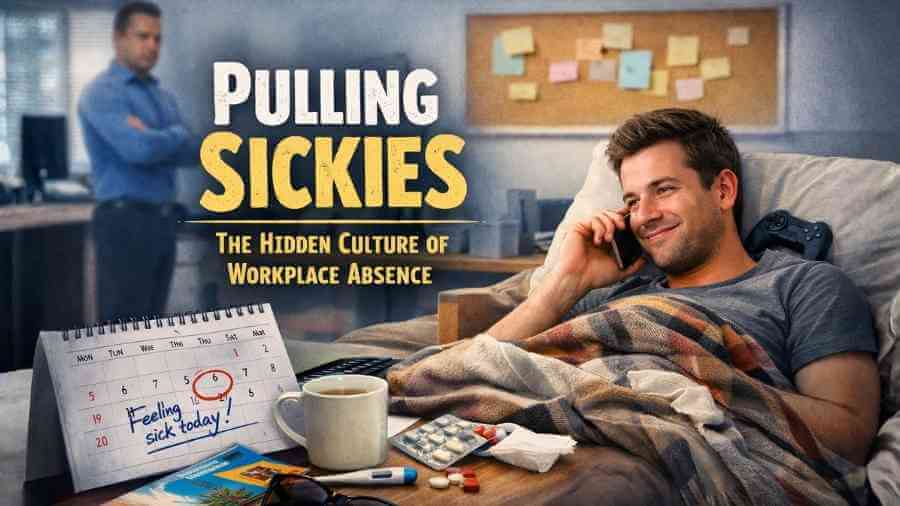
Pulling sickies is a phrase deeply rooted in British workplace culture, yet it is rarely discussed openly in professional settings. While often mentioned jokingly among colleagues or friends, the act itself touches on serious themes such as workplace pressure, mental health, trust between employers and employees, and modern attitudes towards work–life balance. In the UK, where employment law, sick pay, and workplace norms are well defined, pulling sickies sits in a grey area between personal wellbeing and professional responsibility.
What Does “Pulling Sickies” Mean?
Pulling sickies refers to taking time off work by claiming to be ill when you are not genuinely unwell. The term is informal and commonly used in the UK, Australia, and New Zealand. In British English, it is usually said in a light-hearted or humorous tone, but the action itself can carry consequences depending on workplace policies.
Unlike legitimate sick leave, pulling sickies involves a deliberate decision to use illness as an excuse for absence. This could be for a single day or multiple days and may involve exaggerating minor symptoms or inventing an illness altogether.
The Origins of the Phrase
The word “sickie” emerged in British slang in the mid-20th century as a casual term for a sick day. Over time, the phrase “pulling a sickie” evolved to specifically mean taking a sick day under false pretences. Its casual tone reflects how common the behaviour has become, particularly in environments where workload stress is high or morale is low.
The phrase gained popularity through everyday speech, television, and workplace banter, reinforcing the idea that it is a shared, if unofficial, part of working life.
Why Do People Pull Sickies?
Pulling sickies is rarely about laziness alone. In most cases, it is a symptom of deeper issues within the workplace or an individual’s personal circumstances.
Workplace Stress and Burnout
One of the most common reasons for pulling sickies is chronic stress. Long hours, unrealistic deadlines, and constant pressure can push employees to breaking point. When annual leave is difficult to take or rest is discouraged, a sick day can feel like the only way to pause.
In these situations, pulling sickies becomes a coping mechanism rather than an act of dishonesty.
Mental Health Struggles
Mental health is a significant factor in modern workplaces. Anxiety, depression, and emotional exhaustion do not always feel like “valid” reasons to call in sick, especially in traditional work cultures. Employees may pull sickies because they fear judgement or misunderstanding if they are honest about needing mental health support.
Ironically, this highlights the need for better awareness and acceptance of mental health as a legitimate reason for absence.
Poor Management and Low Morale
Workplaces with poor leadership, lack of recognition, or toxic cultures often see higher levels of absenteeism. When employees feel undervalued or unfairly treated, pulling sickies can become a form of silent protest.
In such environments, employees may feel no loyalty towards the organisation, making dishonest sick leave feel justified in their eyes.
Work–Life Imbalance
Many UK workers struggle to balance professional responsibilities with family life, personal health, and social commitments. When flexible working options are limited, pulling sickies may seem like the only way to handle personal matters that cannot be addressed outside working hours.
This is particularly common among parents, carers, and those with demanding personal responsibilities.
The Legal Perspective in the UK
From a legal standpoint, pulling sickies can be risky. UK employment law allows employees to take sick leave when genuinely unwell, and Statutory Sick Pay is available under certain conditions. However, deliberately providing false information about illness can be considered misconduct.
If an employer can prove that an employee pulled sickies dishonestly, disciplinary action may follow. In serious cases, this could even lead to dismissal. That said, proving dishonesty is often difficult, which is why many cases rely on trust rather than strict enforcement.
How Pulling Sickies Affects Businesses
While a single sick day may seem harmless, widespread pulling sickies can have a noticeable impact on organisations.
Reduced Productivity
Unplanned absences disrupt workflows, delay projects, and place additional pressure on colleagues. When pulling sickies becomes common, teams may struggle to meet targets and maintain consistent performance.
Damage to Trust
Trust is essential in any workplace. When managers suspect employees of pulling sickies, it can lead to stricter monitoring, reduced flexibility, and a more adversarial atmosphere. This, in turn, can make employees feel less trusted, creating a cycle of disengagement.
Financial Costs
Absenteeism costs UK businesses billions of pounds each year. These costs include lost productivity, temporary cover, and administrative time. While not all absenteeism is dishonest, pulling sickies contributes to the overall burden.
The Employee’s Perspective
From an employee’s point of view, pulling sickies may feel justified, especially when they feel overworked or unsupported. Many workers argue that if they are mentally exhausted, a sick day is necessary even if they are not physically ill.
This raises important questions about how we define illness and whether traditional workplace policies adequately reflect modern realities.
Changing Attitudes Towards Sick Leave
The COVID-19 pandemic significantly changed how people view illness and work. Remote working, increased health awareness, and conversations about wellbeing have reshaped attitudes towards sick leave in the UK.
Employers are increasingly recognising that presenteeism — turning up to work while unwell — can be more damaging than absence. This shift has encouraged more open discussions about health and reduced the stigma around taking time off.
As a result, some employees who previously pulled sickies may now feel more comfortable requesting legitimate wellbeing days or flexible working arrangements.
Ethical Considerations
Pulling sickies raises ethical questions for both employees and employers.
For employees, it involves dishonesty, which can conflict with personal values and professional integrity. For employers, harsh responses to absenteeism can ignore genuine human needs and contribute to unhealthy work environments.
A balanced approach requires empathy, clear communication, and mutual respect.
How Employers Can Reduce Pulling Sickies
Reducing the need for pulling sickies starts with addressing root causes rather than punishing behaviour.
Promote Open Communication
Employees should feel safe discussing workload, stress, and health concerns without fear of judgement. Regular check-ins and supportive management can make a significant difference.
Support Mental Health
Providing mental health resources, such as counselling services or mental health days, can reduce the temptation to pull sickies. When employees know their wellbeing matters, they are more likely to be honest.
Encourage Flexible Working
Flexible hours, remote working options, and realistic expectations help employees manage their lives more effectively, reducing the need for dishonest absences.
Build a Positive Workplace Culture
A culture of trust, recognition, and fairness discourages pulling sickies naturally. Employees who feel valued are less likely to abuse sick leave.
Is Pulling Sickies Ever Justified?
This is a complex question. While dishonesty is rarely ideal, many argue that pulling sickies is sometimes a response to systems that fail to support employees properly. When workplaces ignore mental health, overload staff, or discourage time off, pulling sickies becomes a symptom rather than the problem itself.
That said, long-term reliance on pulling sickies can harm careers, relationships at work, and personal integrity.
The Future of Sick Leave in the UK
As workplaces continue to evolve, the concept of sick leave is likely to change. The rise of hybrid working, increased focus on wellbeing, and generational shifts in attitudes towards work are reshaping expectations.
In the future, pulling sickies may become less common as organisations adopt more humane and flexible approaches to employee health. Transparency and trust will be key to this transformation.
Conclusion
Pulling sickies is more than a casual workplace phrase; it reflects deeper issues within modern working life in the UK. While often treated humorously, it highlights challenges such as burnout, mental health stigma, and inflexible work cultures. Addressing these underlying problems requires effort from both employers and employees.
By fostering open communication, supporting wellbeing, and rethinking traditional approaches to sick leave, workplaces can reduce the need for pulling sickies altogether. Ultimately, a healthy work environment is one where honesty is valued, rest is respected, and people are trusted to manage their responsibilities responsibly.