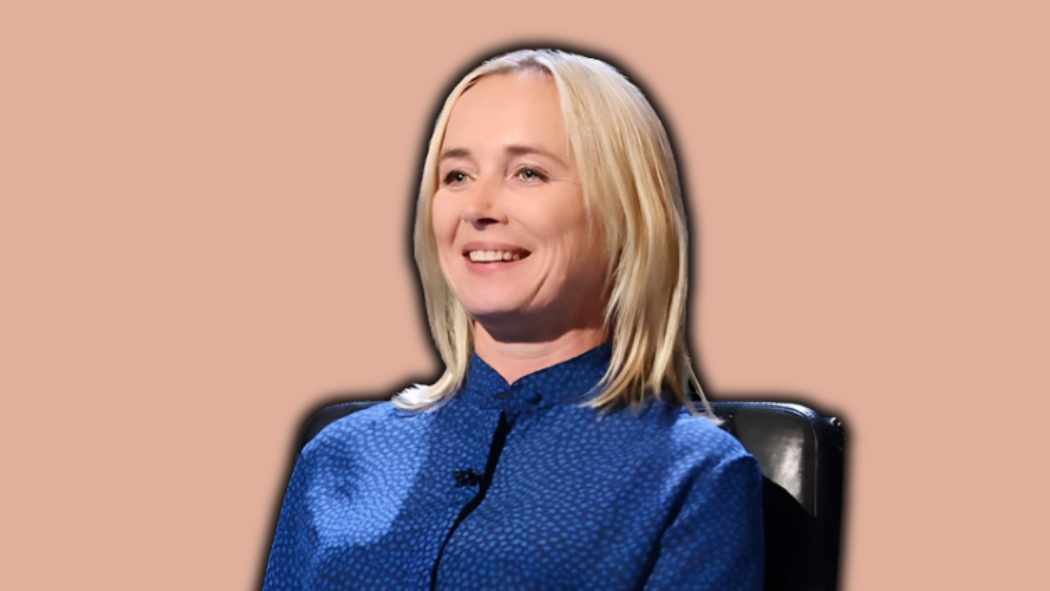
Katie Razzall is one of the most respected and recognisable figures in British journalism today. Known for her measured reporting style, sharp analysis, and deep understanding of the UK media landscape, she has built a career that spans decades across television, radio, and digital journalism. Her work consistently focuses on culture, broadcasting, and the powerful institutions that shape public discourse in the United Kingdom.
Early Life and Education
Katie Razzall was born in London and grew up in an environment where politics, debate, and public service were part of everyday conversation. This early exposure to public life helped shape her interest in current affairs and the role of journalism in holding power to account.
She was educated at Oxford University, where she studied philosophy and modern languages. This academic background is reflected in her journalism: philosophy sharpened her analytical thinking, while modern languages gave her a broader, international outlook. Together, these disciplines helped her develop the clarity, precision, and curiosity that have become hallmarks of her reporting style.
Her education did not push her into journalism automatically, but it provided the intellectual grounding that would later support her work in complex and often sensitive areas of reporting.
Entry into Journalism
Katie Razzall began her professional career in journalism during a period of significant change in British media. Traditional broadcasting still dominated, but the industry was already beginning to feel pressure from evolving technology and audience expectations.
Her early roles included work at major news organisations, where she developed essential reporting skills such as research, interviewing, and on-the-ground reporting. These formative years allowed her to cover a wide range of stories, helping her understand the practical realities of newsroom life and the importance of accuracy, balance, and speed.
Rather than seeking the spotlight, she focused on building credibility. Editors and colleagues recognised her ability to handle complex subjects with calm authority, a quality that would later define her most high-profile roles.
Career at Channel 4 News
A significant chapter in Katie Razzall’s career was her long tenure at Channel 4 News. Over more than a decade, she became a familiar face to viewers, covering major political, social, and cultural stories in the UK.
Channel 4 News is known for its investigative edge and willingness to challenge established narratives. Working in this environment allowed Razzall to refine her questioning style and deepen her understanding of how media intersects with politics and public accountability.
During this period, she reported on government policy, public sector reform, and national crises. Her approach was characterised by careful fact-checking and a refusal to oversimplify complex issues. This earned her respect from audiences who valued thoughtful journalism over sensationalism.
Her time at Channel 4 also gave her experience in live broadcasting, where clarity under pressure is essential. These skills would prove invaluable in later roles at the BBC.
Transition to the BBC
Katie Razzall’s move to the BBC marked a major step in her career. Joining one of the world’s most influential public broadcasters brought new responsibilities and greater visibility.
She initially worked in senior editorial roles before becoming the BBC’s Culture and Media Editor. In this position, she reports on the media industry itself, including television, radio, digital platforms, and the challenges facing public service broadcasting.
This role is particularly demanding because it requires reporting on the BBC while working within it. Razzall has navigated this potential conflict with professionalism, maintaining editorial independence and transparency. Her reporting often examines funding models, editorial standards, and debates around impartiality, topics that directly affect the future of British media.
Role as Culture and Media Editor
As Culture and Media Editor, Katie Razzall covers stories that sit at the intersection of journalism, politics, and culture. Her work includes analysis of broadcasting regulation, media ownership, and the evolving relationship between audiences and news organisations.
She regularly appears on television and radio programmes to explain developments in the media industry. Her calm, authoritative presence makes complex issues accessible to a broad audience, from policy-makers to everyday viewers.
In an age of rapid technological change, she has also reported extensively on digital platforms, streaming services, and the impact of social media on traditional journalism. Her coverage helps audiences understand how these changes affect what they watch, read, and trust.
Reporting Style and Professional Values
Katie Razzall’s reporting style is defined by restraint, clarity, and depth. She avoids exaggerated language and focuses on evidence, context, and explanation. This approach reflects a strong commitment to public service journalism.
She is known for asking direct but fair questions, particularly when interviewing figures in positions of authority. Rather than seeking confrontation for its own sake, she aims to clarify accountability and decision-making processes.
Her work demonstrates a belief that journalism should inform rather than inflame. In a media environment often driven by clicks and outrage, this measured style sets her apart and reinforces her credibility with audiences.
Coverage of Major Media Debates
Throughout her career, Katie Razzall has covered some of the most significant debates affecting British media. These include discussions about the future funding of public service broadcasting, the role of impartiality, and the pressures facing journalists in a polarised political climate.
She has reported on controversies involving broadcasters, government criticism of the media, and the economic challenges facing news organisations. Her analysis often highlights the broader implications of these issues for democracy and public trust.
By framing media stories within their social and political context, she helps audiences understand why the health of journalism matters beyond the newsroom.
Contribution to Radio and Current Affairs Programmes
In addition to her television work, Katie Razzall is a prominent voice on radio. She frequently contributes to discussion-based programmes that explore media trends and cultural issues in depth.
Radio allows her to engage in longer, more reflective conversations than television often permits. Listeners benefit from her ability to break down complex topics and explore multiple perspectives without rushing to conclusions.
This versatility across platforms demonstrates her adaptability and reinforces her status as a leading commentator on media affairs.
Public Perception and Professional Reputation
Katie Razzall is widely regarded as a journalist of integrity. Colleagues describe her as thorough, thoughtful, and committed to high editorial standards. Audiences recognise her as a reliable guide through complicated media stories.
Her professional reputation has been built steadily rather than through self-promotion. This quiet authority has helped her maintain trust at a time when journalism is frequently questioned.
She is also respected for her ability to handle sensitive topics with care, whether discussing institutional failures or personal stories linked to broader cultural issues.
Influence on British Journalism
The influence of Katie Razzall extends beyond individual reports. Through her role at the BBC, she helps shape how media issues are discussed nationally. Her work encourages transparency, accountability, and informed debate.
By focusing on the structures behind news production, she draws attention to the conditions that enable or hinder quality journalism. This perspective is especially important as the industry faces financial pressures and rapid technological change.
Younger journalists can look to her career as an example of how credibility, patience, and intellectual rigour can lead to long-term influence.
Personal Background and Balance
While Katie Razzall maintains a professional public profile, she has been open about the importance of balance between work and personal life. This balance is particularly challenging in high-pressure editorial roles.
Her ability to sustain a demanding career over many years reflects discipline and resilience. It also challenges outdated assumptions about leadership in journalism, demonstrating that authority can be exercised through calm expertise rather than constant visibility.
The Changing Media Landscape
Katie Razzall’s career has unfolded during a period of dramatic change in media. From the dominance of scheduled television to the rise of on-demand content and digital news, she has witnessed and reported on these transformations first-hand.
Her work helps audiences navigate this shifting landscape, explaining how business models, technology, and audience behaviour are reshaping journalism. By doing so, she reinforces the idea that informed citizens need not only news, but also understanding of how that news is produced.
Conclusion
Katie Razzall stands as a vital figure in contemporary British journalism. Through her thoughtful reporting, editorial integrity, and deep knowledge of the media industry, she has earned the trust of audiences and peers alike. Her career illustrates the enduring value of clear analysis, ethical standards, and public service in an age of rapid change.
As debates about the future of journalism continue, Katie Razzall’s work provides clarity and context, reminding audiences why strong, independent media remains essential to democratic life.