Amy Conachan: A Powerful Voice in British Television, Theatre, and Disability Representation

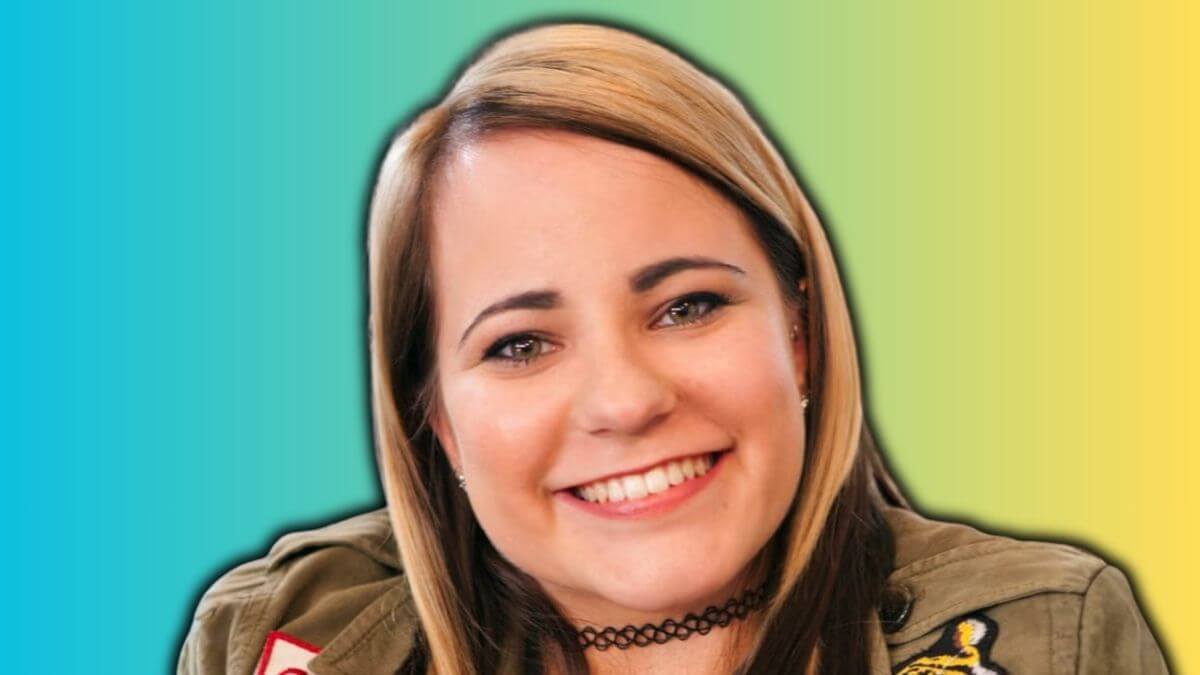
Amy Conachan is a name that carries weight in contemporary British acting, not only for her talent and screen presence but also for the wider cultural conversations her work has helped shape. Over the past decade, she has built a respected career across television, theatre, and presenting, earning recognition for performances that are authentic, emotionally grounded, and socially significant. Her journey reflects determination, skill, and a refusal to be defined by limitations imposed by others.
Early Life and Background
Amy Conachan was born and raised in Scotland, growing up in Glasgow. From an early age, she showed a strong interest in storytelling and performance. Like many actors, her fascination with drama developed through watching television, attending theatre productions, and experimenting with performance during her school years.
Amy was born with a rare spinal condition and uses a wheelchair. Rather than seeing this as a barrier to ambition, she approached life with a clear sense of purpose. Her early experiences shaped her resilience and her understanding of how society often underestimates disabled people. These experiences later informed both her acting choices and her public voice.
Growing up in Scotland also played a role in shaping her identity as an artist. Scottish theatre and television have a strong tradition of realism, sharp dialogue, and socially aware storytelling, qualities that align closely with Amy Conachan’s own approach to acting.
Education and Professional Training
One of the defining milestones in Amy Conachan’s career was her acceptance into the Royal Conservatoire of Scotland, one of the most prestigious drama schools in the United Kingdom. Gaining entry to such an institution is highly competitive, requiring not only raw talent but also discipline, emotional intelligence, and commitment.
At the Royal Conservatoire, Amy undertook intensive professional training in acting. This included voice work, movement, character development, classical and contemporary text, and performance for stage and screen. Her time there allowed her to refine her craft and develop a strong technical foundation.
Amy Conachan’s acceptance into the programme was historically significant. She became the first disabled student to be accepted into the acting course at the institution. This was not a symbolic gesture; it was a recognition of her ability, potential, and dedication. Her success helped challenge long-standing assumptions about who can train as a professional actor at elite institutions.
Early Career and Theatre Work
After completing her training, Amy Conachan began working in theatre, a space that demands versatility and emotional truth from performers. Theatre allowed her to explore complex characters and narratives while building confidence and credibility within the industry.
Her stage work included a range of productions, from classic adaptations to modern plays. Performing live requires stamina, precision, and the ability to connect with audiences in real time, and Amy demonstrated these qualities consistently. Theatre also offered her opportunities to collaborate with directors and actors who valued storytelling over stereotypes.
Through theatre, Amy Conachan developed a reputation as a serious actor capable of handling challenging material. These early roles laid the groundwork for her transition into television, where her visibility and influence would grow significantly.
Breakthrough in Television
Amy Conachan’s most widely recognised role came through British television. Her breakthrough performance was as Courtney Campbell in the long-running Channel 4 soap Hollyoaks. This role marked a turning point in her career and in disability representation on mainstream television.
Courtney Campbell was not written as a one-dimensional character defined solely by disability. Instead, she was portrayed as a fully realised individual with ambitions, flaws, relationships, and emotional depth. Amy Conachan brought warmth, intelligence, and authenticity to the role, making Courtney relatable to a broad audience.
Her presence on a popular soap meant that millions of viewers regularly saw a disabled character living an ordinary, complex life. This visibility mattered. It challenged outdated portrayals and normalised disability within everyday storytelling.
Amy’s performance was widely praised for its realism. She avoided exaggerated mannerisms or sentimentality, instead grounding the character in genuine human experience. This approach resonated with viewers and contributed to the character’s lasting impact.
Expanding Television Roles
Following her success on Hollyoaks, Amy Conachan continued to build her television career with roles in a range of British drama series. These projects allowed her to demonstrate versatility beyond soap television.
She appeared in crime and drama productions that required subtlety, emotional restraint, and a strong understanding of tone. Each role added depth to her professional profile and showed casting directors that she could adapt to different genres and narrative styles.
Amy Conachan’s television work reflects a careful balance between career progression and artistic integrity. She has chosen roles that allow her to grow as an actor while maintaining a commitment to authentic storytelling.
Work as a Presenter and Broadcaster
In addition to acting, Amy Conachan has also worked as a presenter. This side of her career highlights her natural communication skills and ability to engage audiences directly.
Presenting requires clarity, confidence, and warmth, qualities Amy brings effortlessly. Her work in broadcasting allowed her to explore a different relationship with audiences, one that is less mediated by character and more rooted in her own personality.
This aspect of her career demonstrates her versatility and her willingness to expand beyond traditional acting roles. It also reinforces her position as a visible public figure within Scottish media.
Advocacy and Representation
Amy Conachan’s impact extends beyond performance. She has become an important voice in discussions about disability representation in the arts. Through interviews and public appearances, she has spoken openly about the challenges faced by disabled actors and the need for systemic change.
She advocates for casting that moves beyond tokenism and for stories that reflect the diversity of real life. Amy emphasises that disabled characters should not exist solely to inspire or educate others, but should be allowed the same narrative complexity as any other character.
Her advocacy is grounded in lived experience rather than abstract theory. She speaks with honesty about the barriers she has encountered while also highlighting the progress that has been made. This balanced approach has earned her respect within the industry.
Amy Conachan’s presence has helped encourage producers, writers, and casting directors to think more carefully about inclusion. Her career stands as proof that talent and professionalism, not physical assumptions, should determine opportunity.
Acting Style and Artistic Approach
Amy Conachan’s acting style is marked by naturalism and emotional intelligence. She avoids theatrical exaggeration unless required by the material, favouring subtle expressions and truthful reactions.
Her performances are characterised by careful listening, controlled movement, and a strong sense of character psychology. These qualities make her particularly effective in dramatic roles where small moments carry significant emotional weight.
Training at a conservatoire level gave her technical control, but it is her sensitivity and observational skill that truly define her work. She understands how people behave in real situations and brings that understanding to her performances.
This approach aligns well with contemporary British television, which increasingly values realism and nuance over spectacle.
Influence on the Industry
Amy Conachan’s career has contributed to a gradual shift in how disability is perceived within British entertainment. While she is not solely responsible for this change, her visibility and professionalism have played an important role.
By succeeding in mainstream productions, she has challenged the assumption that disabled actors are only suited to niche roles or specialist projects. Her work demonstrates that inclusion enhances storytelling rather than limiting it.
Younger actors, particularly those with disabilities, often look to figures like Amy Conachan as proof that a professional acting career is possible. Representation at this level has a powerful ripple effect, influencing aspirations and expectations.
Personal Values and Public Image
Amy Conachan maintains a public image that is grounded, thoughtful, and professional. She balances openness with privacy, sharing insights into her work and advocacy without oversharing personal details.
Her public communication reflects confidence without arrogance and conviction without hostility. This tone has helped her engage with audiences across different backgrounds and viewpoints.
She is widely regarded as approachable, articulate, and principled, qualities that enhance her credibility both as an artist and as an advocate.
Future Prospects
Looking ahead, Amy Conachan’s career trajectory suggests continued growth. With experience across soap, drama, theatre, and presenting, she is well positioned to take on more complex and varied roles.
As the UK entertainment industry continues to evolve, there is increasing demand for actors who bring authenticity and depth to their work. Amy’s skill set aligns closely with these trends.
Whether through television drama, stage productions, or new creative formats, her future work is likely to further strengthen her reputation as a serious and influential performer.
Conclusion
Amy Conachan represents a powerful combination of talent, resilience, and purpose within British entertainment. From her early life in Scotland to her professional training, breakthrough television roles, and ongoing advocacy, her journey reflects both personal determination and broader cultural change.
She has shown that authentic representation matters, not as a slogan but as a lived reality expressed through high-quality work. Her performances stand on their own artistic merit, while her presence challenges outdated assumptions within the industry.