Successful traders talk about having routines and systems. Understanding what that actually looks like in practice helps separate theory from reality.
Daily market checking creates stress without necessarily improving results. Constant monitoring leads to overreacting to normal volatility. Yet ignoring positions completely seems irresponsible. Finding the right balance requires structure.
This LFtrade.co review documents a weekly review ritual developed over several months. LFtrade provides the tools for portfolio management and analysis. Using them systematically rather than randomly makes the difference.
Testing involved establishing a Sunday evening routine for portfolio review and planning. One dedicated time slot per week for focused attention on trading decisions. No checking positions constantly throughout the week. Just structured a weekly engagement.
In this LFtrade.co review, the weekly approach goes against the constant connectivity that smartphones and platforms enable. Most people check positions multiple times daily. This experiment tested whether scheduled weekly reviews could produce results with less stress.
Why Weekly Matters
In this LFtrade.co review, the decision to focus on weekly rather than daily reviews came from practical constraints. Work schedules don’t allow for extensive daily analysis. Family time matters. Sleep needs protection.
Daily checking creates psychological wear. Watching every price fluctuation triggers emotional responses to normal market noise. Red days feel like personal failures. Green days create overconfidence. This emotional roller coaster exhausts without improving decisions.
Weekly reviews provide enough distance for perspective. Short-term noise averages out over seven days. Trends become clearer. Overreactions to single bad days get avoided. The time horizon matches actual investment strategies better than minute-by-minute monitoring.
Sunday evenings work well for many people. The weekend provides mental space from work pressures. Sunday night offers quiet time before the week starts. Markets are closed, eliminating the temptation to trade impulsively. This timing became the foundation of the routine.
Consistency matters more than frequency. Reviewing every Sunday beats reviewing whenever it feels convenient. The routine builds discipline. Skipping weeks breaks the habit. Regular scheduling creates accountability for the process.
The Deep Dive: One Position Analysis
Another point to highlight in this LFtrade.co review is dedicating time to thoroughly analyze one holding each week. Surface-level portfolio checks miss important details.
Picking which position to examine follows a simple rotation. If the portfolio has eight positions, each one gets deep analysis every eight weeks. This ensures nothing gets ignored indefinitely.
The deep dive process involves specific steps:
- Reread the original thesis – The purchase reasoning and expected developments compared to actual outcomes
- Review recent developments – Company news, earnings reports, analyst changes, industry trends affecting this position
- Check technical indicators – Price relative to moving averages, volume patterns, support, and resistance levels
- Assess position sizing – Whether this position deserves its current portfolio percentage
- Update exit criteria – Price levels or conditions that trigger selling and appropriate stop placement
- Document current thinking – Brief notes about current assessment for future reference
This deep analysis often reveals issues that quick glances miss. A thesis that no longer holds. A better opportunity elsewhere. A position that deserves more conviction. Taking time for a thorough examination improves overall portfolio quality.
The selected position might not need any action after analysis. Confirmation that everything looks fine has value. Not every review produces trades. Sometimes the best decision is doing nothing.
The Planning Phase: Week Ahead Preparation
It must be noted in this LFtrade.co review that planning future moves matters as much as reviewing past performance. The coming week brings new opportunities and risks requiring preparation.
Economic calendar review shows major scheduled events. Earnings reports for held positions. Federal Reserve meetings. Employment data releases. Knowing what’s coming helps set expectations for volatility and opportunity.
Watchlist review identifies potential new positions. Stocks that approached buy prices. Assets showing interesting patterns. Ideas from research during the week. The weekly review consolidates these observations into actionable plans.
Entry price targets get established for watchlist items. Predetermined price levels for consideration. Asset breakout points that trigger interest. Having predetermined entry points prevents impulsive decisions during the trading week.
Existing position exit criteria get reviewed. Stop loss appropriateness. Positions approaching profit targets. Situations requiring sale regardless of price based on thesis changes. Planning in advance removes emotion from the decision.
Potential rebalancing needs surface during weekly planning. Sectors drifted too far from targets. Individual positions grew too large through gains. Identifying these issues on Sunday allows thoughtful rebalancing execution during the week.
Capital allocation plans take shape. Available cash deployment priorities. Positions to trim if raising cash becomes necessary. Weekly planning sessions make these decisions deliberately rather than reactively.

The Execution List: Actionable Decisions
A few more insights in this LFtrade.co review include translating the analysis into specific actions. Reviews without decisions waste time.
The execution list gets written down explicitly. Not just mental notes but actual written items. This could be a note on a phone, an entry in a spreadsheet, or an item in a trading journal. Written accountability increases follow-through.
Trades get categorized by urgency:
- Monday morning actions – Orders to place at market open, stops to adjust, positions to exit immediately
- This week, sometime – Trades to execute when conditions align, like price hitting specific levels
- Watch closely – Situations requiring monitoring but not immediate action
- Next week’s consideration – Ideas not ready yet, but worth remembering for future reviews
Each planned action includes specific conditions. Buy prices for watchlist stocks. Sell targets for existing positions. Trigger events like earnings results showing specific metrics. Conditional planning removes in-the-moment decision pressure.
The list stays short and focused. Three to five actionable items beat twenty vague intentions. Limited, specific plans get executed. Long, complicated lists get ignored.
Some weeks produce no trades on the execution list. If everything looks fine and no opportunities appear compelling, the action might be “do nothing.” That represents a valid and valuable decision when reached through structured review.
The Journal Entry: Documentation
As can be seen in this LFtrade.co review, recording the weekly review creates a valuable historical reference. Memory fails. Written records preserve lessons.
The journal entry includes key sections. Portfolio value and change. Major market developments. Positions analyzed. Decisions made. Lessons learned. This structured format makes past entries useful for future reference.
Emotional state during the review gets noted. Feelings about losses. Confidence levels from gains. Boredom with slow progress. These psychological observations reveal patterns over time about how emotions affect decisions.
Mistakes made during the week get documented. Trades that violated the plan. Impulsive decisions between review sessions. Rules broken. Honest mistake tracking enables learning rather than repeating errors.
Wins also get recorded with an analysis of whether the results came from skill or luck. Repeatability assessment. Understanding what works matters as much as identifying what doesn’t.
The journal becomes more valuable over the months. Patterns emerge. Similar situations appear repeatedly. Past entries inform current decisions in ways that seem obvious only in hindsight.
Review time itself averages 60 to 90 minutes on most Sundays. Some weeks take longer with complex situations. Others wrap up quickly when everything runs smoothly. The time investment stays manageable while providing substantial value.
The Routine Value Assessment
It’s worth emphasizing in this LFtrade.co review that the weekly review ritual changed trading results and stress levels. After six months of consistent Sunday sessions, clear benefits emerged.
Decision quality improved measurably. Fewer impulsive trades. Better entry timing. More disciplined exits. These improvements showed up in performance over time.
Stress levels dropped significantly. Not checking positions daily removed constant anxiety. Trusting the weekly process reduced worry between reviews. Mental health benefits mattered as much as financial ones.
Time investment actually decreased overall. Ninety minutes weekly compared favorably to 15 minutes daily in total time. More importantly, concentrated focus beats scattered attention for analytical quality.
The routine revealed personal patterns. Tendencies toward overtrading. Sectors of genuine interest. Risk tolerance limits. Self-knowledge improved through structured reflection.
When reviews got skipped, performance and discipline suffered noticeably. Missing even two consecutive weeks created portfolio drift and emotional trading. The routine’s value became obvious through its absence.
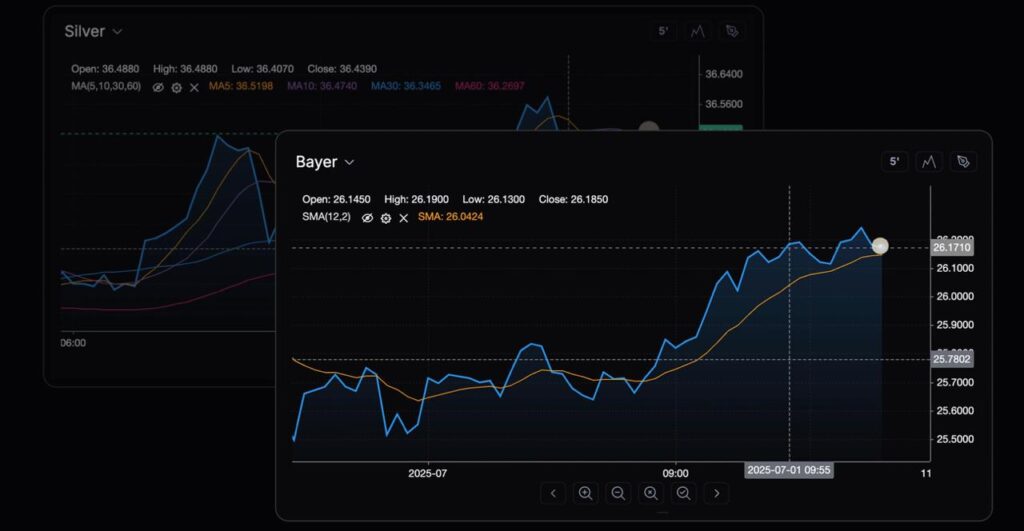
The platform features supporting weekly reviews include portfolio analytics, performance tracking, historical data access, and saved layouts. These tools enable efficient review processes. The platform provides the functionality that makes structured routines practical.
This LFtrade.co review concludes that weekly review rituals offer substantial benefits for traders with limited time. The structured approach improves decisions while reducing stress compared to constant monitoring. Sunday evening sessions became something to look forward to rather than dread.