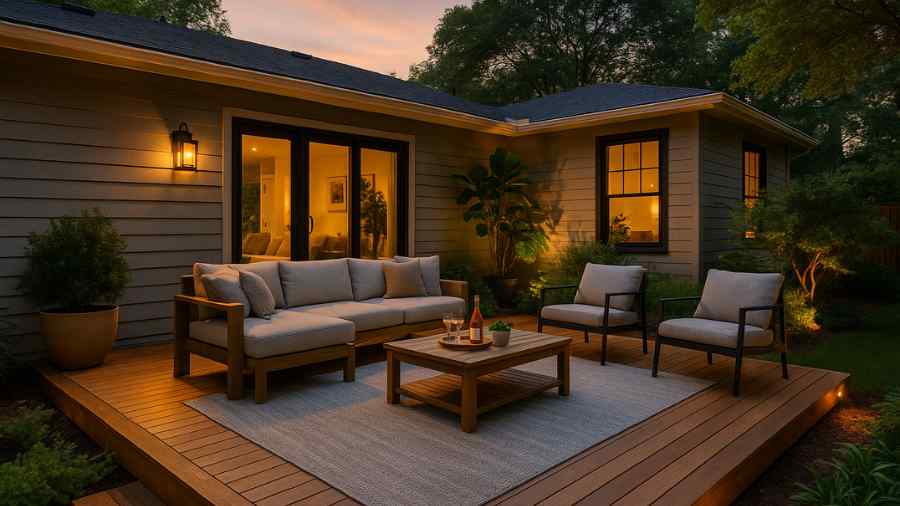
A great deck is not just extra square footage. It changes how you use your home. Morning coffee feels easier. Dinner outside becomes routine. Even a small yard can feel bigger when the deck is planned well.
This guide walks through the real decisions that shape the final result. Materials, layout, safety, and finishing details. Nothing fancy. Just the steps that consistently produce a deck that looks sharp and lasts.
Start With the “Why” Before You Touch a Tape Measure
Before you think about size, decide how the deck will earn its keep. This one choice prevents most regret.
Ask a few practical questions:
- Will you eat out here often, or just lounge?
- Do you need room for a grill, dining set, and traffic flow?
- Is it meant for quiet or company?
- Are you designing around a view, a pool, a garden, or a fire pit?
Write the priorities down. Rank them. Your top two priorities should influence almost every decision that follows.
Transitioning from ideas to a plan is easier when you also consider seasonality. In many climates, shade and wind matter as much as square footage. A deck that bakes in full sun at 4 p.m. won’t get used, even if it’s beautiful.
Map the Space Like a Designer (Even If You Aren’t One)
Good decks feel natural. People don’t bump into furniture. The grill doesn’t smoke up the seating area. There’s a clear path from the door to the steps.
Use these baseline spacing guidelines:
- 36 inches minimum for main walking paths
- 48 inches is better near seating clusters or high-traffic areas
- 6 feet around dining zones helps chairs slide back comfortably
- Leave clearance for door swings and railings so movement stays smooth
Now think in “zones.” Most high-performing decks have at least two:
- Food zone (grill + prep surface + optional bar seating)
- Relax zone (lounge seating, outdoor rug, coffee table)
If you have space, add a third zone for a feature such as a fire table, hot tub, or pergola-covered nook. Zoning is what makes a deck feel like an outdoor room instead of a platform.
Choose the Right Structure: It’s Not the Place to Cut Corners
A deck’s beauty is visible. Its safety is hidden. Both matter, but one matters more.
Key structural choices include:
Ledger vs. Freestanding
- Ledger-attached decks connect to the home and often cost less.
- Freestanding decks avoid potential water intrusion issues and can be ideal for tricky siding or older homes.
Footings and Framing
Footing depth depends on frost lines and local requirements. Framing decisions depend on span, load, and material choices.
One helpful reference point: for code and best-practice guidance, many pros cross-check details using International Code Council (ICC) resources when planning deck connections and safety standards.
Drainage and Moisture Management
Decks fail early when water has nowhere to go. Plan for:
- slope away from the house where needed
- proper flashing at connections
- airflow under the deck
- end-grain sealing on cut boards (especially wood)
If you want the deck to stay flat, quiet, and stable over time, you build for water first.
Materials: Pick the Look You Want, Then Price the Maintenance
Material selection affects more than the budget. It affects heat, feel underfoot, lifespan, and how much work you’ll do later.
Pressure-Treated Lumber
- Budget-friendly and widely available
- Needs ongoing staining or sealing
- Can warp or crack as it dries
Natural Wood (Cedar, Redwood, Hardwood)
- Warm, classic appearance
- Varies in rot resistance by species
- Requires regular maintenance for best color retention
Composite Decking
- Consistent appearance and lower upkeep
- Higher upfront cost
- Some boards run hotter in direct sun
- Needs correct gapping and fastening to avoid issues
A practical approach: decide what you can realistically maintain. If you don’t want to stain every couple of years, don’t build a deck that demands it. Simple.
Details That Make It Feel Custom (Without Going Overboard)
Small upgrades often create the “showstopping” effect people notice.
Step Design and Stair Width
Wider stairs feel premium. They also reduce bottlenecks when hosting. If your layout allows it, a generous main staircase can become a focal point.
Picture Framing and Board Direction
Picture framing (a border board around the perimeter) makes the deck look finished. Changing board direction in a section can define zones without adding walls.
Railings That Match the Architecture
Railings can make or break the look. Options include:
- black aluminum for a clean, modern line
- cable railing for open views (where allowed)
- stained wood for a traditional match
Choose a style that fits your home. The deck should look intentional, not like an add-on.
Lighting That Extends Use
Skip the single harsh floodlight. Use layered lighting:
- step lights for safety
- post cap lights for rhythm
- string lights or sconces for atmosphere
Lighting is one of the easiest ways to make the space feel like a retreat.
When to DIY vs. When to Bring in Pros
Some homeowners are skilled and careful. Others prefer speed and guarantees. Both approaches can work.
DIY can be a good fit if:
- the deck is low to the ground
- the layout is simple
- you can follow code requirements precisely
- you’re comfortable with footings, framing, and leveling
Hiring pros is often smarter when:
- the deck is elevated
- you’re integrating multiple levels, built-ins, or drainage systems
- permits and inspections are complex
- you want a tight timeline
In many projects, a hybrid approach works well. For example, you might handle design and finishing touches while experienced deck builders manage structural framing and code-sensitive connections. That combination can protect both safety and aesthetics.
Build Comfort Into the Plan, Not Just Into the Furniture
Furniture cannot fix a poor layout. Comfort starts with the build.
Shade and Shelter
If your yard gets intense sun, plan for:
- a pergola
- a shade sail (anchored properly)
- a partial roof extension
- strategic tree placement over time
Wind and Privacy
Even simple solutions help:
- horizontal slat screens
- planter boxes as soft dividers
- privacy panels on one side only (so it doesn’t feel boxed in)
Surface Temperature
If your deck will get direct sun, pick materials and colors accordingly. Dark boards can get hot. Some composites perform better than others. If barefoot comfort matters, consider it early.
Finishing Touches That Make It Feel Like a Getaway
This is where the “retreat” part becomes real. Keep it practical, not cluttered.
- Add a dedicated storage bench for cushions and grilling tools
- Use an outdoor rug to define the lounge zone
- Choose two main materials for a cleaner look (for example: wood + black metal)
- Limit décor to a few items with scale, like a large planter and one focal lantern
If you want the space to feel calm, avoid over-styling. A deck looks best when it has breathing room.