Dolly Theis: A Rising Voice in Public Health, Obesity Research and Women’s Political Representation

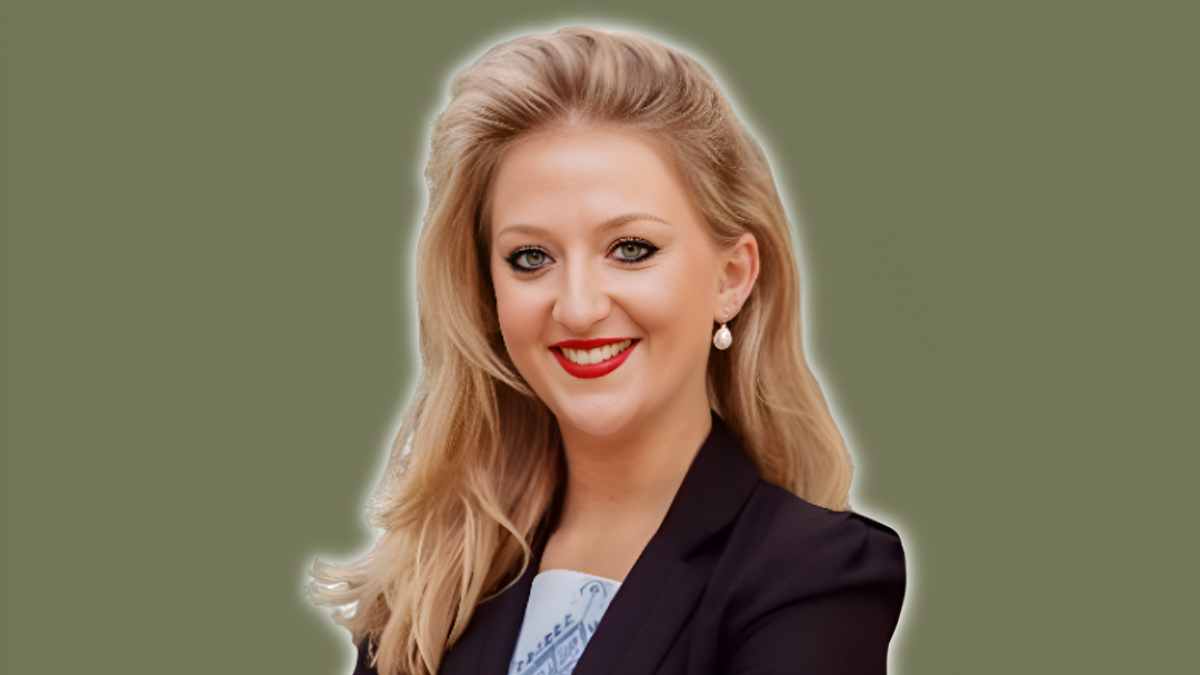
Dolly Theis stands out as one of the most influential young public health researchers and political advocates in the United Kingdom. Known for her in-depth work on obesity policy, evidence-based decision-making and her powerful presence in campaigns encouraging women to pursue political careers, she has become a respected figure in spaces where research, politics and social reform intersect. She is widely recognised for her thoughtful communication style, her commitment to improving health strategies in the UK and her determination to empower a new generation of women leaders.
Early Life and Academic Foundation
Dolly Theis developed her academic foundation through her research at the University of Cambridge. She undertook a PhD at the well-respected MRC Epidemiology Unit, focusing specifically on obesity policies introduced by successive UK governments. Her research involved reviewing policy documents, analysing strategy intentions and evaluating how evidence is implemented at a national level. This academic training sharpened her ability to question systems rather than accept them at face value.
While many young academics concentrate solely on theory, Dolly Theis approached research with practical relevance. She asked questions that affect everyday lives. Why are obesity rates still increasing when governments have launched strategies for decades? Why do outcomes not always match the promises written in policy documents? What prevents successful implementation? These are the kinds of questions that shaped her research direction.
Through rigorous analysis, she identified systemic weaknesses in health strategies. She observed that many government plans focus too heavily on encouraging individuals to change their behaviour without addressing the wider environment that makes unhealthy choices easy and affordable. Her academic foundation became the stepping stone to wider recognition, positioning her as a voice capable of interpreting research in a way policymakers and citizens can understand.
Professional Life and Career Growth
Before and alongside her academic research, Dolly Theis worked in roles that gave her close insight into policymaking processes and public affairs. She previously served as a parliamentary researcher in the House of Lords. This hands-on experience exposed her to the realities of political debate, legislative negotiations and the complexities behind how public health strategies move from paper to practice.
She later joined the Centre for Social Justice, working on childhood obesity and community-level interventions. Her work here deepened her understanding of social inequality, environmental triggers for unhealthy behaviour and the role that societal structures play in shaping health outcomes. This experience influenced her research direction and helped her develop the belief that evidence-driven policy must always consider real-world living conditions.
Her career reflects diversity balanced with purpose. She has engaged in academic research, policy development, advocacy and charity work. She is regularly invited to speak at seminars, panel discussions and public forums to present findings, share ideas and contribute to policy debates. Her work highlights not just what the problems are, but also what solutions could look like when backed by evidence.
Research on Obesity and Public Health
One of the most prominent areas of Dolly Theis’s work is her research on obesity strategies developed in England since the early 1990s. She analysed government approaches through multiple political administrations, identifying patterns, gaps and reasons behind stagnating progress. Her research revealed key insights. Policies often lack strong enforcement mechanisms. Strategies frequently depend on personal willpower rather than structural intervention, such as regulation of the food industry or better environmental planning. Many initiatives lack evaluation frameworks, making success difficult to measure.
Her work emphasises that obesity is not only a matter of personal responsibility. It is shaped by urban design, marketing practices, socioeconomic status, access to healthy food, cultural habits and daily stress. She has repeatedly highlighted that without environmental change, expecting individuals alone to solve obesity is unrealistic. Her voice supports the idea that lasting solutions require both educational programmes and structural reform, making healthier lifestyles achievable for all communities.
Her research provides a foundation for policy debate. Instead of merely pointing out failures, she advocates for evidence-based change. She suggests that policies need long-term planning, proper funding, regulatory strength and continual evaluation. Her work calls for collaboration between researchers, policymakers, public organisations and communities. Through this approach, she champions public health improvements that go beyond written strategy.
Women’s Political Representation and Advocacy
Alongside her research career, Dolly Theis is a passionate activist for women in politics. She is actively involved in encouraging women to stand for public office and pursue leadership roles. She has been a key figure in initiatives supporting equal representation in Parliament, promoting the message that decision-making bodies should reflect the diversity of the population. She has worked to inspire young women, provide platforms for female voices and challenge historical barriers preventing equal participation.
Her advocacy is rooted in the belief that representation shapes policy direction. When more women participate in politics, issues such as childcare, maternal health, workplace equity and gender-based violence receive more serious attention. Dolly champions this idea publicly, urging society to build accessible pathways for women to enter political life. Her work includes public speaking, writing, mentorship and involvement in campaigns dedicated to improving gender balance.
She also offers a strong example herself. She previously contested a seat in a UK general election, demonstrating that she does not simply encourage others to lead, but is willing to step forward personally. Standing as a parliamentary candidate gave her direct experience of the challenges women face in electoral politics, from public scrutiny to campaign management and policy communication. Her journey inspires women who might feel unsure about stepping into political spaces.
Public Speaking, Writing and Social Engagement
Dolly Theis frequently appears in discussions involving health policy, obesity strategy and evidence-based reform. Her communication style is clear, analytical and firmly grounded in research. She is not afraid to challenge assumptions and ask governments to be more accountable for public health outcomes. She has written policy commentary and articles discussing how structural solutions could replace temporary measures. Rather than relying on criticism alone, she uses writing to guide decision-makers toward better strategy modelling.
Beyond her academic and political roles, she also contributes to social causes. She has been involved in charity work supporting veterans and individuals rebuilding their lives after prison. Her participation in endurance fundraising activities demonstrates personal commitment rather than symbolic association. She engages physically, socially and intellectually in the causes she supports, making her influence multifaceted.
Her willingness to actively participate shows that her advocacy is grounded in action. She believes in meaningful engagement, not passive observation. This is one reason she is respected by peers across academic and policy environments.
Why Dolly Theis Is Influential Today
The influence of Dolly Theis lies in the balanced combination of research and advocacy. In an age where governments speak heavily about health but struggle to achieve outcomes, her research helps highlight why progress stalls. She pushes for practical, long-term reforms rather than short-term campaigns. Her analysis of obesity policy is seen as an important reference for policymakers looking to improve strategy structure.
She also represents a new generation of voices in politics – evidence-based, analytical and socially aware. Her encouragement for women to enter political spaces reflects broader cultural change. She embodies leadership that is grounded not in power, but purpose.
Her message resonates because it sits within everyday life. Obesity affects families, workplaces and national health systems. Women’s representation affects lawmaking, power distribution and equality. These issues matter today more than ever as society seeks fairness, efficiency and real progress.
Future Outlook and Continued Impact
Considering her young age and the depth of her work already, Dolly Theis is expected to play an increasing role in shaping UK health policy and representation reform. Her ongoing research may influence future obesity strategies, and her voice in public forums is likely to grow stronger as policy debates become more evidence-based. Her ability to discuss research with clarity places her in a unique position to bridge academic findings and practical policymaking.
If she continues in research, she may contribute to the development of government guidelines or health frameworks addressing food environments, marketing regulation, early childhood nutrition and community-based prevention. If she remains active in public advocacy, she could help shape political culture toward inclusivity, encouraging more women to step into Parliament. If she chooses a combined path – which appears likely – her influence may span academia, government and society.
Her career represents evolving leadership. She is not static. Her interests are broad and her determination clear. She approaches public challenges with curiosity and responsibility, suggesting she will continue to contribute meaningfully for many years ahead.
Conclusion
Dolly Theis is a significant figure in public health research, obesity policy evaluation and women’s political representation in the United Kingdom. Her work bridges academic research and social advocacy, reinforcing the importance of evidence in policymaking and equality in leadership. Through her research at Cambridge, her analysis of obesity strategies and her involvement in campaigns encouraging women to stand for Parliament, she has established herself as a thoughtful and influential voice.