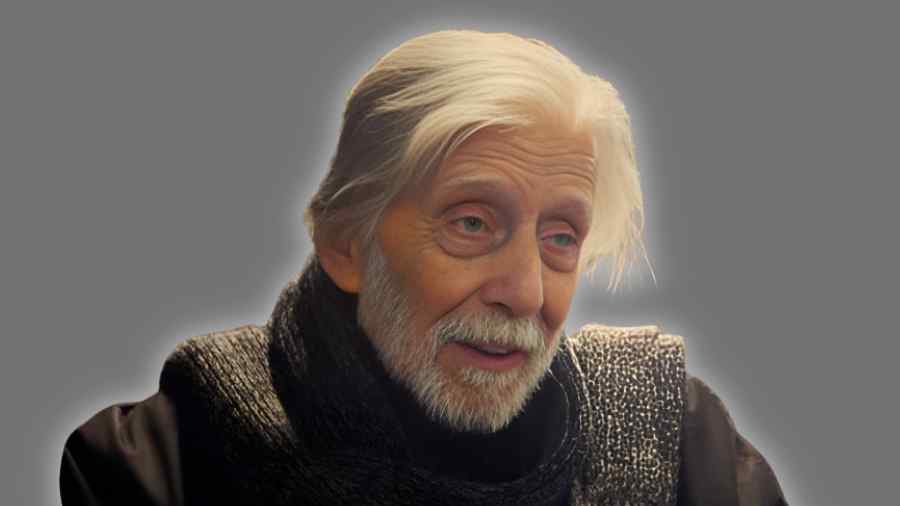
George Eugeniou was not just an actor or a director; he was a voice, a movement, a cultural bridge between communities. His journey from Cyprus to London shaped him into one of the most respected figures in the world of independent theatre. He believed art was not merely entertainment but a weapon of expression, a mirror to society, and a platform for justice. Throughout his lifelong dedication, he inspired artists, immigrants, communities, and audiences through powerful performances and socially conscious productions. By founding Theatro Technis, he created a sanctuary where creativity met activism and where stories of the unheard could finally be spoken aloud. His work has influenced generations, and his legacy continues to shine for people who value art with purpose.
Early Life and Foundation of Dreams
Born on 10 June 1931 in Limassol, Cyprus, George Eugeniou developed his connection with art early in life. Cyprus, a land of stories, music, and cultural traditions, played a significant role in shaping his creative instincts. Even as a young boy, he displayed a sharp imagination and a hunger for expression. His decision to pursue theatre was not accidental; it was a calling. Moving to London in 1950 with ambition and curiosity, he entered a new world where opportunities existed but were not always open to people like him — an immigrant with a dream.
He studied at Morley College before advancing to the Webber Douglas Academy of Dramatic Art on scholarship. During his training, he earned acting awards and recognition for his talent, dedication, and depth. Many would have chosen comfort, fame, or commercial roles after such achievements, but his aspirations went beyond personal success. He desired to build a space where culture, identity, and conscience could breathe freely — a theatre for the people, not for profit.
The Birth of Theatro Technis
In 1957, George Eugeniou founded Theatro Technis in London, a creation that would later become the beating heart of his life work. Unlike commercial theatres focused solely on entertainment, Theatro Technis grew with a revolutionary purpose. It became a platform to stage bold, thought-provoking plays, especially those addressing social injustice, identity, migration, political struggle, and human rights. Under his direction, it staged works ranging from ancient Greek tragedies to contemporary political dramas, giving audiences a diverse and powerful theatrical experience.
Theatro Technis was not merely a theatre; it became a community. It welcomed immigrants, artists, students, refugees, and thinkers. Many saw it as a cultural home where they could express themselves without judgement. It was a rare place where minority voices were heard with the same respect and importance as mainstream narratives. This was the essence of George Eugeniou’s vision — a theatre that belonged to people rather than institutions.
A Creative Mind Beyond the Stage
Though known primarily for theatre, George Eugeniou was much more — a poet, playwright, activist, and intellectual. His artistic work reflected his passion for Cyprus, justice, social equality, and world politics. The Cyprus Trilogy stands as one of his most notable contributions, exploring themes of displacement, identity, and the political conflict surrounding Cyprus. His poetry and plays often carried messages of resistance, resilience, and hope. His writing was never empty — it was filled with meaning, experience, and a desire to provoke thought.
Even in his later years, he continued to write and create. Age never dimmed his enthusiasm. He was active well into his nineties, still directing, still working, still dreaming. His final play, reportedly written around 2021, shows how deeply theatre was woven into his soul. Creativity for him was not work — it was breathing.
Champion of the Cypriot and Immigrant Community
Beyond theatre, George Eugeniou dedicated himself to the welfare and representation of Cypriots and immigrants living in the United Kingdom. He helped establish organisations that supported migrants with housing, education, welfare, and rights. He was instrumental in launching advisory services and cultural associations that unified Cypriots abroad. In a time when immigrant communities struggled silently, he stood up, spoke out, and acted.
His community initiatives showed that art and activism go hand in hand. His theatre was not only a stage but also a voice for those struggling with identity, racism, displacement, and cultural isolation. Many remember him not only as an artist, but as a leader, guide, and mentor who helped thousands feel seen and valued.
Style, Philosophy, and Artistic Vision
George Eugeniou believed that theatre must shake the soul. He rejected superficial performances and instead encouraged raw, real, honest expression. His productions often confronted uncomfortable truths. He wanted audiences to think — to reflect on society, politics, humanity, and themselves. He embraced cultural roots while welcoming diversity. His theatre was a melting pot of languages, ethnicities, and viewpoints.
He understood that art becomes powerful when it speaks for those who cannot speak. His philosophy was simple yet profound: theatre should enlighten, empower, and provoke change. He saw responsibility in art — not for applause, but for awareness.
Influence on British Theatre and Beyond
Many actors, writers, and directors who worked with George Eugeniou acknowledge that their careers were shaped by his guidance. He nurtured talent, opened doors, and gave young artists opportunities when others would not. He proved that meaningful theatre could survive outside mainstream commercial structures. He built something unique: a space where art and activism coexist.
The impact of Theatro Technis continues to echo today. Its productions, culture, and mission remain a testament to his work. Younger generations who never met him still feel his presence through his theatre’s walls, scripts, and history. He not only created an institution — he created a legacy.
Passing and Everlasting Legacy
George Eugeniou passed away on 14 December 2024 at the age of 93, leaving behind a remarkable contribution to theatre, community activism, and cultural identity. His death marked the end of a life, but not the end of his influence. His energy, ideas, plays, and theatre continue to inspire. For many, he is remembered not with sadness but admiration and gratitude.
A visionary like him does not fade. He lives through the performances he shaped, the scripts he wrote, the communities he empowered, and the memories he left behind.
Why His Story Matters Today
In a world where many feel unheard, the work of George Eugeniou reminds us of the power of voice. His theatre encouraged discussion, change, empathy, and unity. His journey inspires artists to create bravely, communities to support one another, and society to listen more. He teaches us that one person with conviction can transform a culture.
His story is not just history — it is guidance for the future. Every playwright who challenges injustice, every immigrant who finds belonging in art, and every audience member who leaves a theatre thinking deeply carries a part of his spirit forward.
Conclusion
George Eugeniou was far more than a theatre director; he was a storyteller of humanity. His life blended art with activism, passion with responsibility, and creativity with culture. He built a home for voices that needed to be heard and created works that continue to ignite thought and emotion. His legacy proves that true influence lies not in fame, but in impact — the lives touched, the stories told, and the communities uplifted.
His name stands tall in British theatre history, in Cypriot cultural memory, and in the hearts of those who believe in the power of art to change the world. George Eugeniou’s life teaches us that when the stage lights dim, what remains is the message — and his message still burns bright.