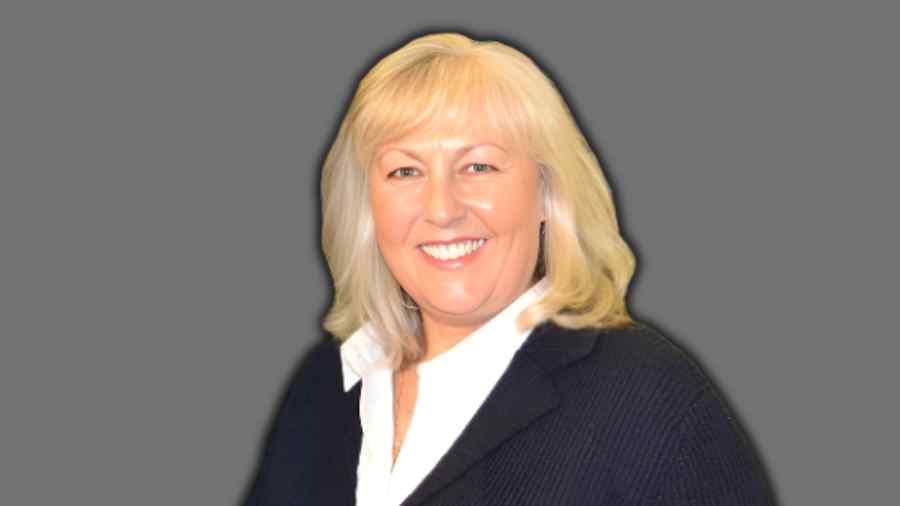
Lorraine Fullbrook is a British political figure whose career spans local government, national parliament, and the House of Lords. Known for her pragmatic approach, strategic thinking, and influence in Conservative Party circles, she has remained a prominent name in UK political history over the last two decades. Her journey has taken her from local council leadership to Westminster, and eventually, to becoming a life peer in the House of Lords. The story of Lorraine Fullbrook is not simply about political advancement; it is a study of leadership, responsibility, influence, and the evolution of public service.
Early Life and Path Toward Politics
Before entering national politics, Lorraine Fullbrook built her base in local government. Her early involvement began not in Scotland, but in the south of England when she moved into local administration in Hampshire. By joining Hart Council, she began a political career that would define the rest of her professional life. Her leadership capabilities were immediately visible when she took on a cabinet role and later became the Leader of the Council. This laid the foundation for her future ambitions and shaped her understanding of regional administration and governance.
Leadership within local councils is not merely about political agenda; it requires day-to-day decision-making, collaboration with local agencies, and communication with communities. Lorraine Fullbrook gained recognition as someone who could understand local needs and deliver workable administrative solutions. These roles solidified her reputation as a serious political contender with the experience and presence needed for bigger responsibilities.
Parliamentary Rise and Election as MP
Her first attempt at entering national politics came with the 2005 general election when she stood as a Conservative candidate for South Ribble. Although she did not succeed in that attempt, it marked an important step in her political ascent. Many successful politicians face defeat before achieving office, and this setback proved temporary for her.
The turning point arrived in 2010. She contested the South Ribble constituency once again, this time successfully. That election brought substantial political shift across the country and Lorraine Fullbrook emerged as one of many fresh Conservative faces joining the House of Commons. Serving as a Member of Parliament from 2010 to 2015, she represented her region during a period marked by significant national challenges, including economic reforms, public service restructuring, and changes in immigration, security, and social policy.
During her time in the Commons, Lorraine Fullbrook also served on the influential Home Affairs Committee, one of the most significant committees dealing with national security, policing, borders, and immigration policy. Committee membership is more than symbolic; it means direct involvement in policy review, legislative recommendations, and accountability oversight. This positioned her at the centre of important debates shaping the future of the UK.
Policy Interests and Legislative Focus
Throughout her parliamentary career, Lorraine Fullbrook aligned closely with Conservative Party policies, particularly on immigration control, economic development, and national security. Her voting history reflects consistent support for measures that strengthen the UK’s policing and security institutions, as well as reforms in welfare and state pensions.
Her policy interests always leaned towards improving public safety and ensuring the stability of government systems. Her parliamentary record reflects the traditional Conservative emphasis on strong borders, law and order, and economic responsibility. At the same time, she demonstrated independent decision-making on some social matters, occasionally diverging from the party’s mainstream position.
Stepping Down from the House of Commons
In 2013, Lorraine Fullbrook made a decision that surprised many political observers by announcing her intention to step down at the 2015 general election. Her departure from the House of Commons did not mark an end to her public profile. While many MPs continue for multiple terms, she chose to exit after five years, citing personal reasons and a desire to move on to other pursuits and responsibilities.
It is important to emphasise that stepping away from parliamentary politics does not necessarily diminish a political figure’s influence. Some shift to business, consultancy, activism, or advisory roles. For Lorraine Fullbrook, her journey continued and evolved into an even more prestigious phase of political life.
Becoming a Life Peer
On 7 September 2020, Lorraine Fullbrook was appointed as a life peer and was given the title Baroness Fullbrook of Dogmersfield in the County of Hampshire. Appointment to the House of Lords is recognition of service and experience. Many peers come from long careers in public service, politics, academia, business, or philanthropy. For her, it meant a return to the national stage in a chamber known for debate, legislative revision, and scrutiny.
Becoming a life peer is an acknowledgement of contribution and expertise. The House of Lords functions very differently from the elected House of Commons. Its members do not face electoral pressure; instead, they bring wisdom, professional knowledge, and independent thinking to legislative improvement. Lorraine Fullbrook joined the upper chamber at a time when the UK was undergoing profound political change, including post-Brexit policy adjustment and constitutional reform.
Influence in Government and Public Affairs
Lorraine Fullbrook’s public role has also intersected with the broader landscape of UK lobbying, government consultancy, and political strategy. Her husband, Mark Fullbrook, is a significant figure in the world of political advising. Their combined professional circles represent an influential sphere within British political strategy and consultancy. This aspect of her public life has generated attention because proximity to political power inevitably invites scrutiny.
In 2024, media coverage highlighted a controversy over continued access to parliamentary facilities through a security pass that had not been deactivated. Although described as an administrative oversight rather than deliberate misuse, the situation raised discussions about transparency and the relationship between political consultancy and parliamentary privilege. The fact that this incident became public news reflects how political figures remain under constant examination, regardless of whether they currently hold active parliamentary roles.
Reputation, Impact and Public Perception
Lorraine Fullbrook’s political style has always conveyed discipline, loyalty to party values, and professionalism. Her parliamentary contributions and council leadership show a blend of administrative knowledge and direct engagement with policy development. She has maintained a reputation for being committed to Conservative political principles, particularly those related to national protection, immigration policy, economic security, and maintaining public order.
Public perception plays a crucial role in shaping a political legacy. In her case, she is generally regarded as someone who worked efficiently during her term in office and later continued contributing to national governance through the Lords. Even after stepping down from the Commons, her involvement in national politics did not diminish. Instead, she transitioned into a role that focused on strategic contribution rather than electoral competition.
Significance of Her Career in UK Politics
The political journey of Lorraine Fullbrook demonstrates three essential themes in contemporary British politics:
From Local Roots to National Leadership
She did not begin as a national figure. Her credibility was earned through community-level leadership and local government accountability.
A Parliamentary Role in a Transformative Period
Her time as an MP coincided with major shifts in domestic policy and government structure. She contributed to shaping laws and oversight during a period of national restructuring.
Continued Influence Beyond Parliamentary Seats
Her transition to the House of Lords reveals that political influence does not always end with elected office. Many leaders continue in advisory, committee, or legislative capacities.
Why Her Story Matters Today
At a time when political careers are often unpredictable, Lorraine Fullbrook’s journey is a testament to sustained influence, dedication to government service, and evolution of leadership. Her role in national politics illustrates the multiple pathways through which individuals can shape policy, represent public interests, and participate in government beyond electoral cycles.
Her career also highlights an important point often overlooked: the influence of backbench MPs, committee members, and peers is vital to the functioning of democracy. Not every political leader becomes famous through front-bench or ministerial roles. Some shape public policy through scrutiny, accountability, and governance roles that attract less attention yet remain equally important.
Conclusion
Lorraine Fullbrook stands as an important example of how political leadership progresses from local councils to parliamentary service and eventually into the House of Lords. Her commitment to policy issues such as national security, immigration, and governance has shaped her public identity. Serving first as an MP and then as a life peer, she has contributed to British political life for many years. Her story is one of strategic thinking, leadership, and public duty. As modern politics continues to evolve, her career provides an insightful look into the workings of government and the influence of individuals who operate within the country’s most important political institutions.