Nestled quietly on the eastern side of the Isle of Wight, Alverstone Mead stands as one of Britain’s most enchanting yet lesser-known nature reserves. A tranquil expanse of wet meadows, ancient woodland, and thriving watercourses, it is a place where time appears to slow, inviting visitors to reconnect with the natural world. The area’s beauty is matched by its ecological richness—an unspoilt sanctuary for countless species of flora and fauna. For nature lovers, walkers, photographers, and anyone seeking peace amid England’s lush countryside, Alverstone Mead is a destination of quiet magic and natural wonder.
The Location and Landscape
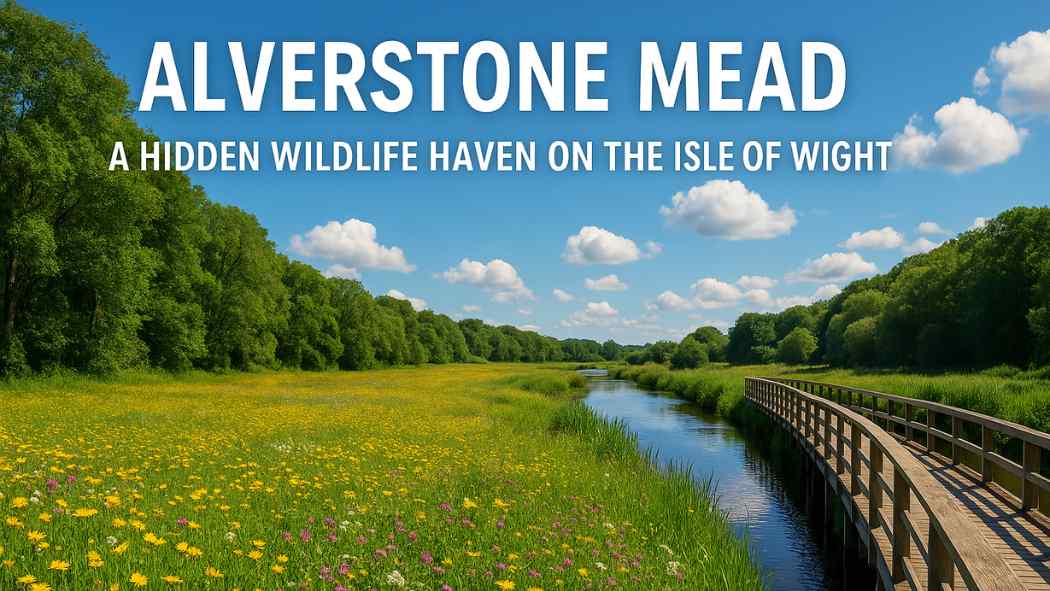
Alverstone Mead lies near the village of Alverstone, close to the seaside town of Sandown on the Isle of Wight. The reserve rests on the floodplain of the Eastern Yar River, one of the island’s main waterways. This positioning gives rise to a diverse landscape of damp meadows, reedbeds, and water-filled ditches, interwoven with oak and ash woodland. The mixture of wetland and woodland habitats makes the area a mosaic of life, constantly shifting with the seasons.
In spring, the meadows turn vivid with yellow marsh marigolds and purple orchids. Summer brings the gentle hum of dragonflies darting across the surface of still pools, while autumn paints the trees with copper tones and the scent of damp leaves fills the air. In winter, the flooded meadows glisten under the pale sun, and the bare branches frame the gentle murmur of the river. Each visit to Alverstone Mead offers a different perspective, revealing new textures, scents, and colours that define the changing rhythm of nature.
A Refuge for Wildlife
What sets Alverstone Mead apart is its astonishing biodiversity. It is one of the best places on the Isle of Wight to observe native red squirrels, an iconic species that has disappeared from much of mainland Britain. The dense woodland and absence of grey squirrels make the reserve a secure stronghold for these charming creatures. Early morning or late afternoon walks often reward visitors with glimpses of red squirrels leaping gracefully between branches.
The wetland areas host an equally rich variety of birdlife. Kingfishers, with their brilliant flashes of blue and orange, are frequent visitors along the riverbanks. In the reedbeds, one can hear the chattering of reed warblers, while herons stand motionless, waiting patiently for fish. Moorhens, coots, and ducks populate the ponds, and during migration periods, the reserve becomes a temporary home for wading birds and other seasonal travellers.
In the evenings, bats flit above the waterways, hunting for insects, and the haunting call of tawny owls echoes through the trees. For those with a keen eye, the reserve’s undergrowth hides slow worms, grass snakes, and an impressive variety of butterflies and moths. It is a living illustration of how carefully preserved habitats can flourish when left undisturbed by the modern world.
A Walk Through Alverstone Mead
The best way to experience Alverstone Mead is on foot. A network of trails and boardwalks allows visitors to explore without disturbing the delicate ecosystem. The wooden walkways lead through patches of woodland, over waterlogged meadows, and alongside the river. Every step offers a chance to pause and observe—perhaps the ripple of water signalling a fish, or a red squirrel scampering up a tree trunk.
One of the most popular routes connects with the Red Squirrel Trail, a scenic path that runs through the heart of the reserve. Cyclists and walkers alike enjoy this gentle trail, which offers breathtaking views of both woodland and open countryside. Along the way, interpretative signs provide information about the local wildlife, helping visitors understand the reserve’s importance to the island’s ecosystem.
Unlike busy tourist destinations, Alverstone Mead has no large visitor centre or intrusive infrastructure. Its charm lies in its simplicity. There are no souvenir shops or crowds—only the rustle of leaves, the hum of insects, and the call of distant birds. This sense of natural solitude is precisely what gives the place its spellbinding character.
The Ecological Significance
Alverstone Mead is not just a scenic retreat; it is a site of major ecological importance. Much of the area has been designated a Site of Special Scientific Interest (SSSI), recognising its role in preserving rare and vulnerable habitats. The floodplain meadows, in particular, are vital for maintaining water quality, preventing erosion, and supporting a wide range of plant species that thrive only in such damp conditions.
The Hampshire and Isle of Wight Wildlife Trust, which helps manage the reserve, focuses on maintaining a delicate balance between conservation and accessibility. Regular management work ensures that invasive species do not overwhelm native plants, and that the wetlands remain healthy for birds, insects, and amphibians. The reserve also serves as an educational space, where school groups and nature enthusiasts can learn about local ecology and sustainable land management.
A Glimpse into History
The landscape we now know as Alverstone Mead has a long connection with the island’s agricultural history. For centuries, the area was used as water meadows—a traditional farming system that harnessed controlled flooding to enrich soil and provide fertile pastures. This practice shaped the land’s structure, leaving behind the ditches and drainage channels that today support its diverse ecosystem.
In the late twentieth century, as traditional farming declined, conservationists recognised the site’s ecological potential. Gradually, the land was transformed into a protected reserve, restoring natural habitats while retaining traces of its agricultural past. The result is a rare example of successful habitat restoration—where human history and natural regeneration coexist harmoniously.
Visiting Tips and Practical Advice
Visitors to Alverstone Mead should come prepared for an authentic countryside experience. The reserve’s paths are natural and can become muddy after rain, so sturdy footwear is recommended. As the area is largely unspoilt, facilities are minimal—there are no cafés, toilets, or shops within the reserve itself. However, this absence of development contributes to the site’s serene atmosphere, offering an escape from modern noise and distractions.
For the best wildlife encounters, early morning or evening visits are ideal. Red squirrels are particularly active at these times, and birds are most vocal during dawn and dusk. Binoculars and a camera are useful for capturing moments without disturbing the animals. Visitors are encouraged to respect the habitat by keeping dogs on leads and avoiding litter, ensuring that the reserve remains pristine for future generations.
The Spirit of Alverstone Mead
There is something deeply poetic about Alverstone Mead. It embodies the quiet beauty of Britain’s natural landscapes—unassuming yet profoundly alive. The reserve does not demand attention with grandeur or spectacle; instead, it invites contemplation. It reminds visitors that nature’s value lies not only in rare sightings or exotic wonders, but in the simple coexistence of water, wood, and wildlife.
Many locals describe Alverstone Mead as a place of peace, somewhere to escape the bustle of daily life. Its proximity to Sandown and Shanklin makes it easily accessible, yet it feels worlds away from the seaside crowds. Those who take the time to wander its paths often speak of leaving with a renewed sense of calm, their minds cleared by the gentle rhythm of the natural world.
Environmental Awareness and Future Conservation
The continued protection of Alverstone Mead reflects a broader commitment to conservation across the Isle of Wight. The island serves as a model for balancing human development with ecological responsibility. Efforts such as habitat restoration, species monitoring, and public awareness campaigns are ensuring that areas like Alverstone Mead thrive even as environmental challenges increase.
Climate change poses risks to wetland ecosystems worldwide, altering rainfall patterns and threatening the delicate water balance on which they depend. Conservationists at Alverstone Mead are actively monitoring these changes, working to maintain the health of the floodplain through careful management of vegetation and water flow. Their efforts highlight the importance of small, local actions in addressing global environmental concerns.
Why It Deserves Attention
In an era when many natural spaces are lost to development, Alverstone Mead stands as a testament to what can be preserved through dedication and care. Its understated charm, combined with its ecological importance, makes it one of the Isle of Wight’s hidden treasures. Visitors often come expecting a simple walk and leave feeling profoundly connected to the land.
For anyone passionate about wildlife, photography, or environmental conservation, Alverstone Mead offers more than just scenic beauty—it offers perspective. It reminds us that the smallest reserves can hold immense value, both for the creatures that live there and for the people who find peace within them.
Conclusion
Alverstone Mead is more than a nature reserve; it is a living, breathing testament to the resilience of the natural world. Its woodlands whisper with history, its meadows shimmer with life, and its river carries the rhythm of the seasons. Whether you come to watch red squirrels, photograph wildflowers, or simply listen to the symphony of birdsong, Alverstone Mead leaves a lasting impression.
As you step onto its quiet trails, you enter a world where every rustle and ripple tells a story—a story of balance, patience, and renewal. In preserving this tranquil corner of the Isle of Wight, we safeguard not only a habitat but also a piece of England’s wild heart. Alverstone Mead remains a reminder that nature, when given space to breathe, rewards us with peace, beauty, and endless inspiration.